Oregon offers a powerful mix of dramatic coastline, old-growth forests, high desert and volcanic peaks — a landscape that rewards curious travelers and outdoor enthusiasts.
Whether you’re planning a weekend escape or a longer road trip, focusing on responsible travel and local experiences will get you the most out of the state’s natural and cultural riches.
Coastline and coastal towns
The Oregon Coast is famous for its rugged cliffs, tide pools, and wide sandy beaches. Small towns like Cannon Beach and Newport serve as gateways to iconic sights such as sea stacks, lighthouses, and thriving marine life. Tidepooling at low tide, birdwatching at estuaries, and beachcombing are low-impact ways to enjoy the shore. When visiting sensitive areas like nesting seabird colonies or intertidal zones, keep a respectful distance and follow posted guidelines to protect habitat.
Mountains, forests, and trails
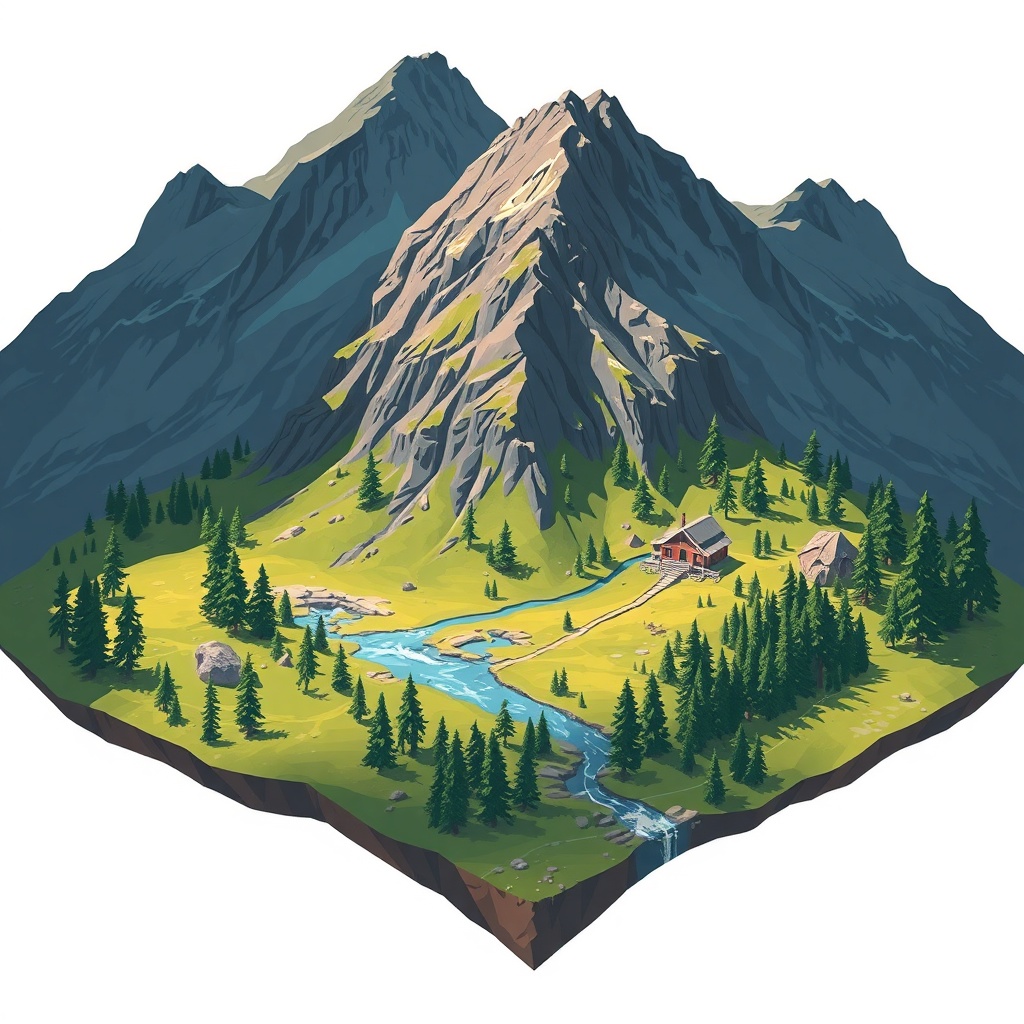
Oregon’s mountain ranges and forests offer world-class hiking, mountain biking, and backcountry camping. The Columbia River Gorge provides short waterfalls hikes and dramatic viewpoints close to urban areas, while high-country trails around volcanic peaks and crater lakes reward longer treks with alpine panoramas. Before heading out, check trail conditions, permit requirements for overnight trips, and seasonal closures. Practice Leave No Trace principles: pack out all trash, camp on durable surfaces, and avoid disturbing vegetation.
Rivers and water adventure
From whitewater rafting on the Rogue and Deschutes rivers to stand-up paddleboarding on calmer lakes, water recreation is a big draw. Anglers value Oregon’s salmon and steelhead runs, but fishing regulations and licensing are enforced to protect fish populations — confirm rules before you cast. Be mindful of water safety: currents can be deceptively strong and hypothermia is a real risk even in warmer months.
Food, wine, and local craft culture
Oregon’s food scene blends Pacific Northwest flavors with a strong farm-to-table ethos.
Coastal seafood — especially Dungeness crab and freshly caught salmon — pairs well with wines from the Willamette Valley, best known for elegant pinot noirs.
Urban centers are known for craft breweries, artisanal coffee, and innovative dining.
Support neighborhood businesses and farmers’ markets to keep tourism dollars circulating locally.
Safety and environmental considerations
Wildfires and associated smoke can impact air quality and trail access; be prepared to alter plans based on conditions. Check park and forest websites for current fire restrictions and advisories. Campsite reservations are often required at popular state and national parks, so plan early. Respect private land boundaries — many scenic viewpoints and trail access points cross private property.
Sustainable travel tips
– Travel overland where possible; shuttle services and public transit reduce congestion in popular spots.
– Book accommodations and tours that demonstrate local stewardship or give back to conservation.
– Limit single-use plastics; carry a refillable water bottle and reef-safe sunscreen.
– Time visits for shoulder-season travel to avoid peak crowds and reduce strain on infrastructure.
– Learn about local Indigenous histories and support cultural centers or guided experiences led by native communities.
Oregon’s appeal is a blend of dramatic nature and engaged local culture. Approaching travel with curiosity and care will leave you with unforgettable scenery and the satisfaction of leaving places better than you found them.
Leave a Reply