How the Pacific Northwest Balances Wild Landscapes and Urban Life
The Pacific Northwest is known for towering evergreens, rugged coastlines, rain-fed rivers and a culture that blends outdoor adventure with progressive urban life. That balance is increasingly shaped by conservation, community action and a growing appetite for sustainable living. Whether you’re visiting or settling in, understanding how nature and cities coexist helps you make better choices for recreation, housing and stewardship.
Forest health and wildfire resilience
Dense forests define much of the region’s character, but changing weather patterns mean forest managers, landowners and volunteers are focusing on resilience. Strategies include selective thinning, controlled burns in appropriate areas to reduce fuel buildup, and restoring native undergrowth. These practices aim to reduce the risk of severe wildfire while protecting habitat and water quality. Supporting local land trusts and participating in community forest stewardship programs are practical ways to help.
Salmon and river restoration
Salmon runs are a cultural and ecological anchor. Restoration efforts now emphasize removing barriers like outdated culverts, reestablishing floodplain connectivity and improving riparian habitat with native plantings. Community-based watershed councils and volunteer stream teams offer regular opportunities for hands-on restoration—planting willow stakes, hauling wood for in-stream structure, and monitoring water quality. Choosing seafood from responsible sources and supporting indigenous-led conservation projects also make a meaningful impact.
Urban nature and green infrastructure
Cities across the region are weaving nature into urban planning. Green roofs, rain gardens, permeable pavement and urban tree canopy initiatives help manage stormwater, cool neighborhoods and support pollinators. Small actions by homeowners—installing native gardens, reducing lawn area, and using rain barrels—collectively reduce flooding risk and improve biodiversity. When looking for housing, consider proximity to public transit and nearby parks to minimize car use and maximize access to green space.
Outdoor recreation with a lighter footprint
Trailheads get busy, and protecting backcountry experiences depends on responsible recreation. Follow Leave No Trace principles, pack out what you pack in, stay on designated trails and respect seasonal closures that protect spawning fish or sensitive plants.
Visit lesser-known parks and trail networks to avoid crowds, and check local trail reports before heading out—weather changes quickly in the region, so be prepared with layers and rain gear.
Local food, markets and sustainable choices
The Pacific Northwest’s food scene is closely tied to the land and sea. Farmers’ markets, seafood co-ops and small-scale producers emphasize seasonal, local food. Choosing local produce reduces transport emissions and supports resilient supply chains.
Community-supported agriculture (CSA) shares and neighborhood food co-ops are practical ways to deepen your connection to local producers.
Community engagement and preparedness
Community resilience is a hallmark of the region. From neighborhood emergency plans focused on earthquakes and storms to volunteer restoration events and public meetings about land use, local engagement matters. Simple steps—assembling a household emergency kit, learning basic first aid, and joining a local volunteer group—help neighborhoods thrive through disruptions.
Whether you’re drawn by old-growth forests, urban coffee culture or coastal hikes, the Pacific Northwest offers a model of how communities can live alongside dynamic landscapes.
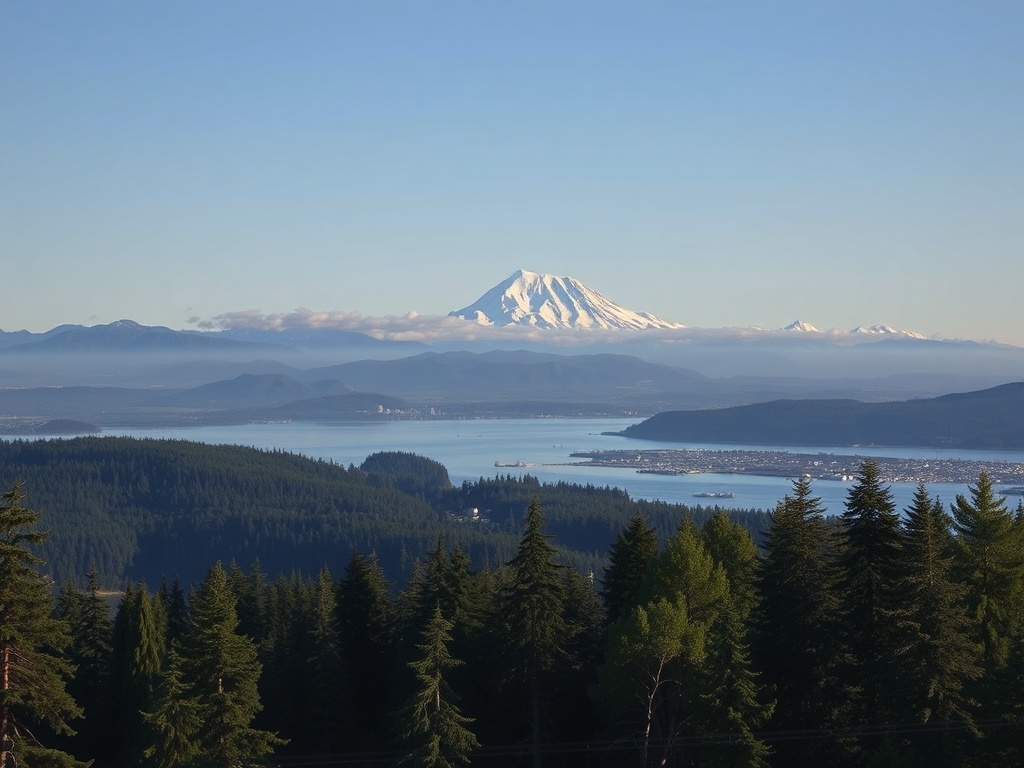
Small, consistent actions—supporting restoration projects, choosing sustainable transportation, and practicing responsible recreation—help preserve the region’s unique blend of wilderness and civic life for the seasons ahead.
Leave a Reply