Seattle’s waterfront is entering a new chapter that blends recreation, resilience, and local culture — making it a must-visit for residents and visitors alike. After years of planning and phased improvements, the shoreline is shifting from a fast-moving transportation corridor to a more walkable, accessible public space that reconnects the city with Elliott Bay.
What to expect on the waterfront
The waterfront promenade stretches along the water with wide paths for walking, running, and biking, plus plenty of benches and viewing spots for sunsets and passing freighters. Key piers have been reimagined as event and leisure spaces, hosting seasonal markets, concerts, and public art installations. Pike Place Market remains a central draw — the market’s iconic stalls, fish toss, and local producers continue to anchor the area’s food culture while new dining concepts and waterfront cafés make it easier to linger with a view.
Active and marine recreation
Water-based activities are more accessible than ever.
Kayak and stand-up paddleboard rentals are common near public launch points, and whale-watching and harbor tours depart regularly from downtown piers. Ferries and water taxis provide scenic transit options to nearby neighborhoods and islands, offering both practical commutes and leisurely excursions.
Transit, access, and walkability
Improved connections between downtown, the waterfront, and surrounding neighborhoods make it simple to explore without a car. Bike lanes and pedestrian bridges link key districts, while transit hubs near the waterfront reduce the need for parking. For those driving in, expanded parking and wayfinding minimize the usual downtown navigation stress.
Sustainability and shoreline resilience
A major shift in waterfront planning prioritizes long-term resilience. Projects focus on restoring nearshore habitats, improving stormwater capture, and enhancing the shoreline to better withstand storms and tidal changes. Seawall upgrades and soft-shore techniques — like adding native plants and creating shallow-water habitat — support marine species and make the shore more ecologically robust. These measures underscore a broader commitment to balancing urban development with environmental stewardship.
Public spaces, culture, and community events
The waterfront’s public spaces foster community gatherings, from outdoor art exhibits to food festivals that spotlight small businesses and regional producers. Playful design elements and kid-friendly installations make the area family-friendly, while evening programming and seasonal lighting create a vibrant after-dark scene.
Local artists and cultural groups regularly use the piers and plazas for pop-up performances and exhibitions.
Supporting local businesses and stewardship
Small, independent businesses — from seafood counters to artisanal shops — benefit from increased foot traffic.
Many waterfront enterprises emphasize local sourcing and sustainable practices, aligning commerce with conservation. Community stewardship programs invite volunteers to help with shoreline cleanups, habitat restoration, and public education about marine ecosystems.
Tips for making the most of a visit
– Time your visit for early morning or late afternoon to avoid crowds and enjoy softer light for photos.
– Use public transit or bike to reduce parking hassles and support lower emissions.
– Explore side streets and alleys near the market to find hidden cafés and artisan shops.
– Check local event listings for pop-up markets, live music, and family activities on the piers.
– Respect wildlife and stay informed about guidelines for viewing marine life responsibly.
The waterfront now offers a richer, more inclusive experience that reflects Seattle’s love of the outdoors, food culture, and commitment to environmental resilience.
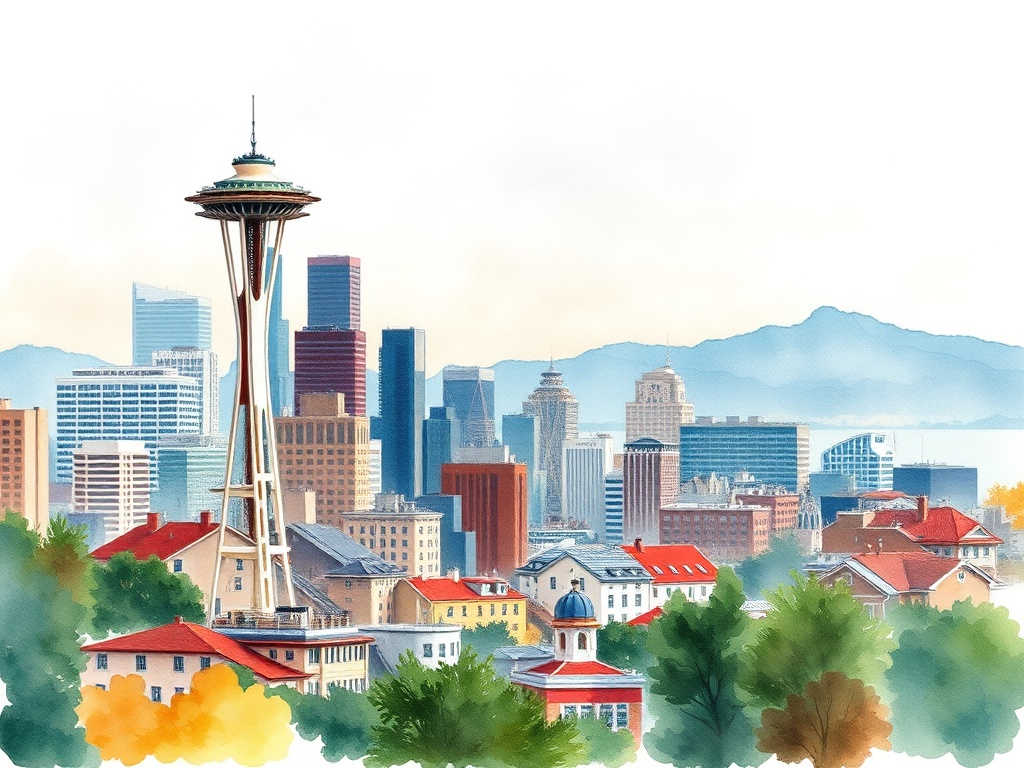
Whether strolling the promenade, paddling in the bay, or savoring fresh seafood with a skyline view, the revitalized shoreline is an essential part of the city’s urban life.
Leave a Reply