Pacific Northwest Travel Guide: How to Enjoy Diverse Microclimates Responsibly
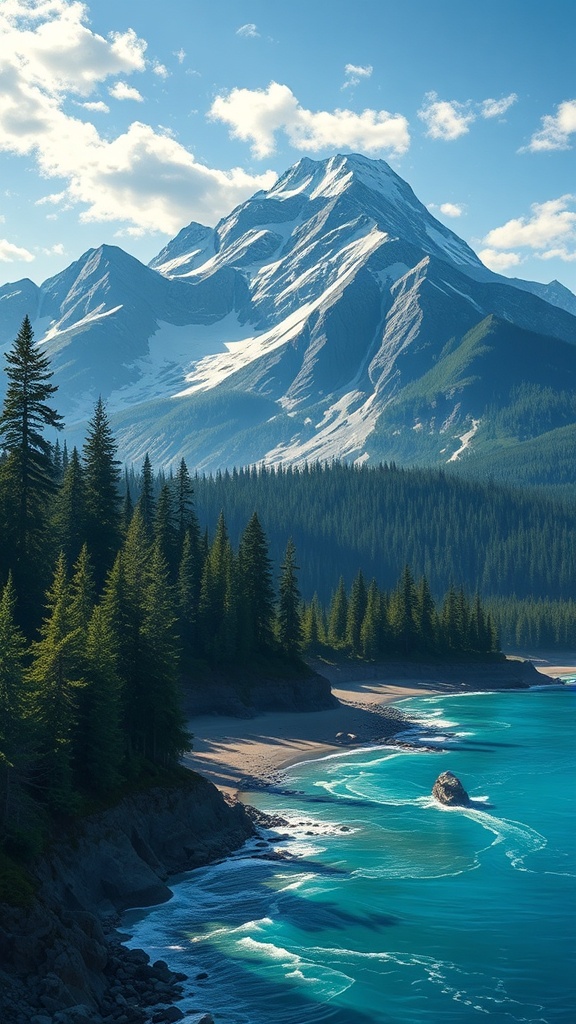
The Pacific Northwest is a tapestry of dramatic coastlines, temperate rainforests, alpine peaks, and arid plains. That variety makes the region endlessly rewarding for outdoor lovers, foodies, and culture seekers—but it also means planning ahead and traveling thoughtfully to get the most out of every trip.
Understand the microclimates
One of the defining features of the Pacific Northwest is its sharp contrasts. The coastal corridor and the western slopes of the Cascades receive abundant rain and support lush old-growth forests.
Cross the mountain crest and you’ll encounter a rain shadow: drier landscapes, sagebrush plains, and higher summer temperatures.
Marine influence moderates coastal temperatures, while interior valleys can see greater seasonal extremes. Packing and planning around these microclimates will turn surprises into advantages.
Smart packing basics
Layering is essential—think moisture-wicking base layers, an insulating midlayer, and a waterproof shell.
Sturdy waterproof footwear is a must for muddy trails and slick coastal rocks. Bring a compact daypack with rain protection, a reusable water bottle, and sun protection for higher-elevation hikes. If you plan to explore backcountry or glaciated terrain, carry navigation tools, extra food, and appropriate safety gear.
Choose transport that minimizes impact
Many PNW travel routes are scenic by train, ferry, or bike. Regional rail and ferry systems connect urban centers and islands, offering a relaxed way to see shoreline communities without constantly driving.
Car-free options are growing, and choosing public transit or carpooling reduces congestion and emissions in popular areas.
Responsible outdoor recreation
Stick to established trails and campsites to protect fragile alpine and coastal ecosystems. Observe seasonal closures for restoration and wildlife protection; many beaches and estuaries are critical habitat for birds and marine life during migration and breeding.
For fishing or foraging, follow local regulations and harvest limits, and never take more than you need.
Support local and indigenous-led initiatives
The region’s culture and food are rooted in diverse Indigenous nations and a vibrant small-business scene. Seek out Indigenous-owned tour operators and cultural centers for authentic, respectful learning. Buying locally made goods and dining at farm-to-table restaurants supports regional economies and reduces the environmental costs of long supply chains.
Wildfire and air quality awareness
Wildfire smoke can travel long distances and affect air quality across the region.
Check current air quality and trail conditions before planning strenuous activity. Flexible itineraries allow you to swap outdoor adventures for museum visits, urban food walks, or coastal drives when smoke or hazardous weather appears.
Hidden gems and tried-and-true favorites
Beyond headline attractions, find quieter experiences by visiting lesser-known wilderness trails, smaller coastal towns, or off-peak weekday afternoons. Island hopping through archipelagos and exploring temperate rainforests via short, accessible boardwalks offers big rewards for modest effort.
Urban centers combine coffee culture, craft breweries, and farmers’ markets—perfect for rainy-day explorations.
Travel with respect
Pack out waste, avoid disturbing wildlife, and leave cultural sites as you find them. Small actions—sticking to trails, using refillable containers, tipping generously—preserve the landscapes and communities that make the Pacific Northwest special.
With thoughtful planning and a low-impact mindset, visitors can experience the region’s extraordinary diversity while helping protect it for those who live there and those who follow.
Leave a Reply