Seattle’s waterfront and public spaces are experiencing a thoughtful evolution that blends outdoor access, climate resilience, transit connectivity, and a thriving food and cultural scene. For residents and visitors alike, that mix creates multiple ways to enjoy the city beyond the classic landmarks.
What to explore along the waterfront
Start at the heart of downtown and head toward Pike Place Market—still a must-see for fresh seafood, seasonal produce, and local crafts. From there, the waterfront promenade offers uninterrupted views of Puget Sound, ferries, and the Olympic Mountains on clear days. New plazas and improved pedestrian connections make it easier to stroll from the market to piers, parks, and museums without feeling cut off by traffic.
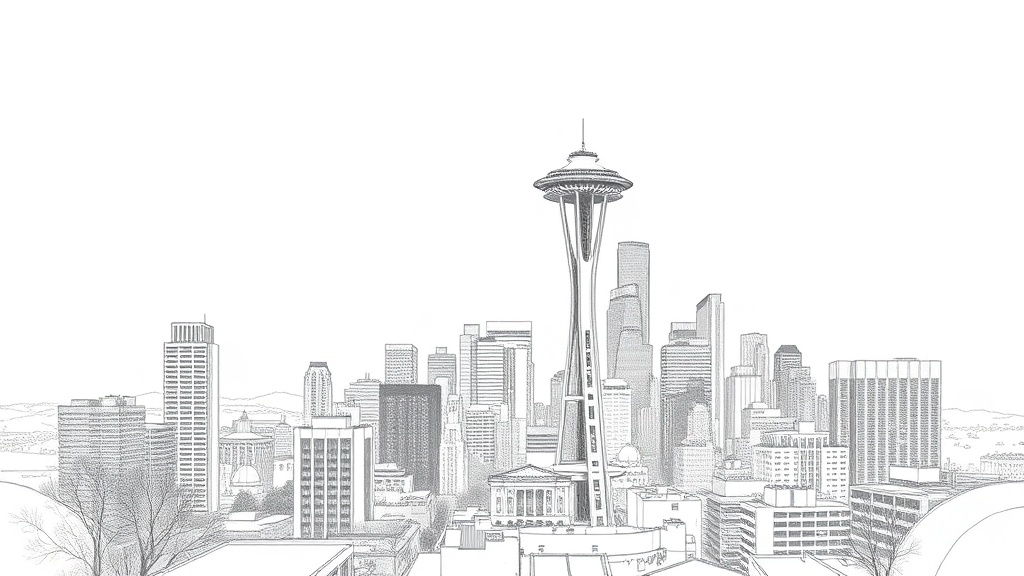
Parks, trails, and viewpoints
Seattle’s park network continues to be a major draw.
Waterfront Park, Myrtle Edwards Park, and the Pier 62 skate and event space provide open-air programming, art installations, and waterfront access. For a different perspective, the elevated trails in South Lake Union and the Westlake neighborhood offer green corridors that connect tech hubs, cafes, and lakeside paths.
Getting around—ferries, light rail, and bikes
Public transit options give locals practical alternatives to driving. Ferries remain an iconic and scenic way to reach nearby islands and shoreline communities. The growing light rail network connects major neighborhoods and the airport to downtown, making it easier to leave the car behind. Bike lanes and bike-share programs have expanded, and many visitors now plan self-guided routes that link neighborhoods like Capitol Hill, Ballard, and Fremont.
Food, drink, and neighborhood character
Seattle’s food scene continues to reflect the city’s coastal setting and global influences. Beyond seafood, farm-forward restaurants, Asian-Pacific flavors, and a rising number of plant-forward menus are drawing attention. Coffee remains central to the city’s identity: neighborhood roasteries, longtime cafes, and experimental coffee bars are all part of the daily rhythm. For a neighborhood vibe, explore Capitol Hill for nightlife and small plates, Ballard for breweries and Nordic heritage, and Fremont for quirky public art and Sunday markets.
Resilience and design for changing conditions
Urban design in Seattle increasingly focuses on resilience—shoreline restoration, stormwater management, and flexible public spaces are common features in new projects.
The waterfront’s redevelopment emphasizes durable materials, elevated pedestrian areas, and landscape features designed to tolerate more intense storms and higher tides.
These investments aim to keep recreational access open while protecting infrastructure.
Events and cultural life
Music and arts remain woven into Seattle’s identity. Outdoor concerts, waterfront festivals, and pop-up markets bring neighborhoods to life during warmer months. Museums and performance venues along the water and nearby cultural districts provide year-round programming, ensuring there’s always something to explore regardless of the weather.
Practical tips for visiting
– Pack layers—Seattle weather shifts quickly and layering keeps you comfortable.
– Use transit or park once—parking can be limited near popular waterfront spots.
– Time your visit for sunset or a weekday morning to enjoy quieter promenades.
– Bring a camera for views of ferries, the waterfront, and mountain backdrops.
Seattle’s continuous reimagining of public space makes the waterfront feel fresh and accessible. Whether you’re seeking outdoor recreation, a memorable meal, or a relaxed stroll with skyline and mountain views, the city’s mix of transit-friendly choices, resilient design, and neighborhood character provides plenty to discover.
Leave a Reply