Pacific Northwest resilience: living lightly, staying prepared, and protecting wild places
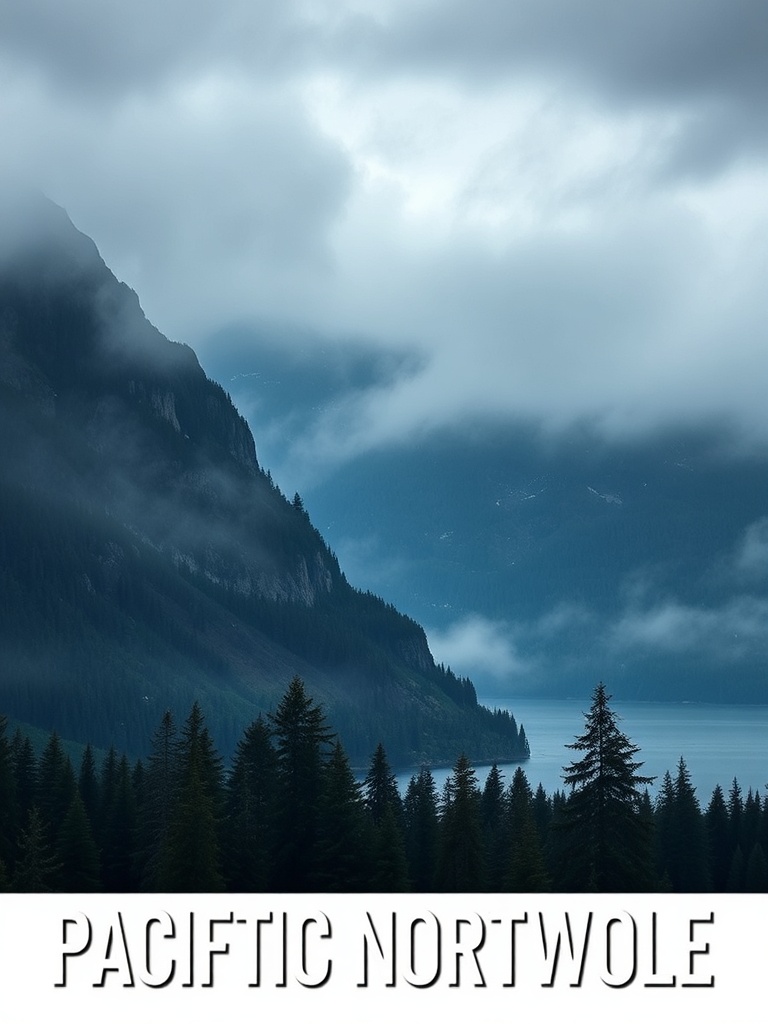
The Pacific Northwest blends dramatic coastlines, temperate rainforests, and vibrant urban centers. With shifting climate patterns and growing communities, the region’s focus on sustainable living and climate resilience is shaping daily life—from how neighborhoods manage stormwater to how outdoor enthusiasts plan a day on the trail.
Green infrastructure and urban forestry
Cities across the region are prioritizing green infrastructure to reduce flooding, cool neighborhoods, and improve air quality. Rain gardens, permeable pavement, and restored wetlands capture and filter stormwater before it reaches rivers and streams. Urban tree planting programs provide canopy cover that lowers surface temperatures and supports biodiversity.
Homeowners can contribute by choosing native trees and minimizing lawn area to reduce water use and create habitat corridors for pollinators.
Energy choices and building smarter
Electrification of homes and transportation is accelerating: heat pumps, induction stoves, and energy-efficient windows cut carbon and lower utility bills. Rooftop solar paired with battery storage helps households ride out outages caused by storms or wildfire smoke.
When renovating, prioritize insulation and passive solar design to reduce heating needs in cooler months and limit overheating in warm spells.
Protecting salmon and rivers
Healthy rivers are vital for people and wildlife. Community-led salmon restoration projects focus on removing migration barriers, replanting riparian zones with native vegetation, and reducing urban runoff. Supporting watershed groups, volunteering for surveys, or choosing native landscaping that doesn’t rely on fertilizers helps keep streams cool and clear for fish.
Wildfire smoke and air quality
Wildfire smoke affects everyone, even far from active fires.
Monitoring the air quality index before outdoor plans is essential.
During smoky periods, limit strenuous outdoor activity, especially for children, elders, and people with respiratory conditions.
N95 masks are effective for short-term outdoor use when smoke is present; air purifiers with HEPA filters improve indoor air during prolonged events.
Creating defensible space around structures and using fire-resistant landscaping reduce wildfire risk to homes.
Outdoor recreation with care
Trail access, coastal routes, and backcountry areas are major draws. Practice Leave No Trace principles: pack out waste, respect seasonal closures for wildlife, and avoid cutting switchbacks. Check trail conditions and park alerts before heading out—river levels, fallen trees, or localized closures can change quickly.
For water-based recreation, be mindful of tides, currents, and variable water temperatures.
Cascadia preparedness and community resilience
Seismic risk is a constant reality in the region. Preparedness steps include assembling a simple emergency kit with water, nonperishable food, flashlight, batteries, basic tools, and critical medications. Neighborhood preparedness groups and community hubs provide redundancy and support during disruptions.
Investing in strong building retrofits and planning for accessible evacuation routes strengthens resilience for everyone.
Supporting Indigenous stewardship and local economies
Many conservation successes in the Pacific Northwest are led by Indigenous nations and local communities. Supporting Indigenous-led initiatives, buying from local producers, and engaging with regional conservation organizations amplify efforts to restore ecosystems while sustaining cultural connections to land and water.
Taking action
Small, practical actions add up: plant native species, reduce vehicle miles, volunteer for habitat restoration, and keep an eye on local alerts for air and water quality. Whether living in a city or a rural valley, contributing to resilience helps protect the landscape and the way of life that draws so many to this part of the world.
Leave a Reply