Seattle’s waterfront has been quietly reinventing itself into one of the city’s liveliest public spaces — a place where maritime history, modern design, and Pacific Northwest outdoor life meet. For locals and visitors alike, the transformation makes strolling the shoreline, catching a ferry, or sampling fresh seafood feel more connected and accessible than ever.
What to expect on the waterfront
The waterfront corridor stretches from downtown piers out toward the ferry terminals and features a continuous promenade that prioritizes pedestrians and cyclists.
Wide walkways, seating nooks, and viewpoints make the shoreline easy to explore on foot. Converted piers have become destinations for boutique shops, seafood stands, and family-friendly attractions, while several public parks and plazas offer a breather from urban bustle.
Key draws and activities
– Pike Place Market access: The market’s proximity to the waterfront means you can combine classic market stops — fresh fish, flowers, specialty foods — with a waterfront walk and skyline views.
– Ferries and boat rides: Frequent ferry services and private sightseeing boats provide a scenic way to reach nearby islands or enjoy a harbor cruise. Catching a ferry is as much transportation as it is a quintessential regional experience.
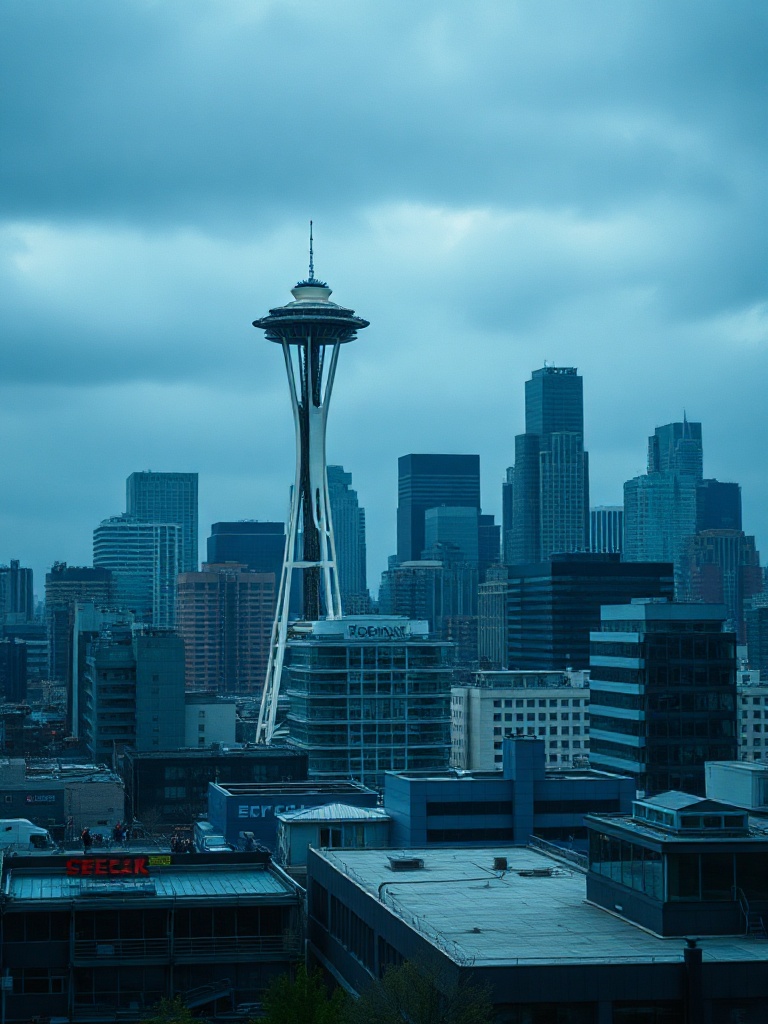
– Public art and parks: Sculptures, interpretive panels, and art installations pepper the pathway. Parks near the waterfront host concerts, seasonal markets, and kid-friendly programming.
– Dining with a view: Seafood shacks, waterfront bistros, and patios line the route, many offering sustainably sourced catches and local wines. Patio seating and glass facades emphasize views of Elliott Bay and the Olympic Mountains on clear days.
– Active options: The multi-use trail accommodates joggers, cyclists, and families with strollers. Bike rentals and guided walking tours make it simple to cover more ground.
Practical tips for the visit
– Layer clothing: Seattle’s weather can shift quickly; a lightweight rain shell and a warm mid-layer are smart choices.
– Use transit or bike: Street parking is limited. Light rail, buses, and bike-share options make arrival painless and environmentally friendly. Ferries and water taxis provide scenic alternatives.
– Time your visit: Early mornings bring quieter promenades and better light for photos. Evenings are lively with dining and events.
– Book popular experiences: Waterfront boat tours, aquarium visits, and seasonal events sometimes require advance tickets on busy weekends.
Sustainability and design
A notable part of the waterfront’s evolution has focused on resilience and ecology. New stormwater management systems, native plantings, and shoreline enhancements aim to protect marine habitat while improving public access. Design interventions balance environmental stewardship with user comfort — from permeable paving to interpretive landscaping.
Beyond sightseeing: community and commerce
The waterfront supports a vibrant mix of small businesses, fisheries, and cultural programming. Farmers markets and weekend events emphasize local makers and food producers. For families, interactive piers and educational exhibits turn a simple walk into a learning experience about regional ecology and maritime heritage.
Why it matters
The renewed waterfront demonstrates how urban waterfronts can be reclaimed as welcoming, multifunctional public realms. Whether you’re after a fresh-caught meal, a scenic run, or a peaceful place to watch ferries glide across the bay, the shoreline now offers a versatile, accessible experience that highlights the best of Seattle’s coastal character.
Leave a Reply