Portland’s pulse blends urban creativity with easy access to wild landscapes, making it a magnet for food lovers, outdoor enthusiasts, and people who value walkable neighborhoods. The city keeps evolving while retaining the quirky, independent spirit that defines its neighborhoods and cultural scene.
Neighborhoods that give Portland its character
– Pearl District: Former warehouses turned into galleries, boutiques, and lofts.
It’s ideal for gallery hopping and upscale dining without the formality.
– Alberta Arts District: Colorful murals, indie shops, and a lively nightlife scene make this a hub for local artists and small businesses.
– Mississippi and Boise: Known for live music venues, craft breweries, and a strong community vibe. Great for bar-hopping or catching a neighborhood festival.
– Hawthorne and Division: Vintage stores, record shops, and a long list of neighborhood restaurants create a relaxed, bohemian atmosphere.
Food and drink — from carts to tasting rooms
Portland’s food scene is famously diverse. Food carts remain a cornerstone, offering everything from regional comfort food to global street eats. Neighborhood strips and food cart pods are great ways to sample many flavors without committing to one restaurant.
Coffee culture is a daily ritual across the city, and roasteries abounds.
For craft beer fans, Portland’s concentration of microbreweries and tasting rooms means easy access to seasonal and experimental brews. Wine bars and natural-wine spots cater to a growing interest in sustainably produced bottles.
Outdoor access within minutes
One of Portland’s biggest assets is the ability to move from an urban block to a forest trail in short time.
Forest Park offers hundreds of miles of trails for running, hiking, and mountain biking. Washington Park includes gardens, museums, and scenic viewpoints, while the nearby Columbia River Gorge provides dramatic waterfalls and world-class hiking and windsurfing conditions.
Active transportation and city planning
Portland is known for prioritizing cycling, transit, and pedestrian-friendly design.
Bike lanes, bike boulevards, and a supportive cycling culture make two-wheeled commuting practical for many.
Public transit options include light rail and buses that connect neighborhoods and suburbs, making car-free travel viable for daily life.
Policies encouraging compact development and accessory dwelling units have shaped housing options, with a focus on increasing density near transit and preserving green spaces. These planning approaches support walkable neighborhoods and reduce the need for long commutes.
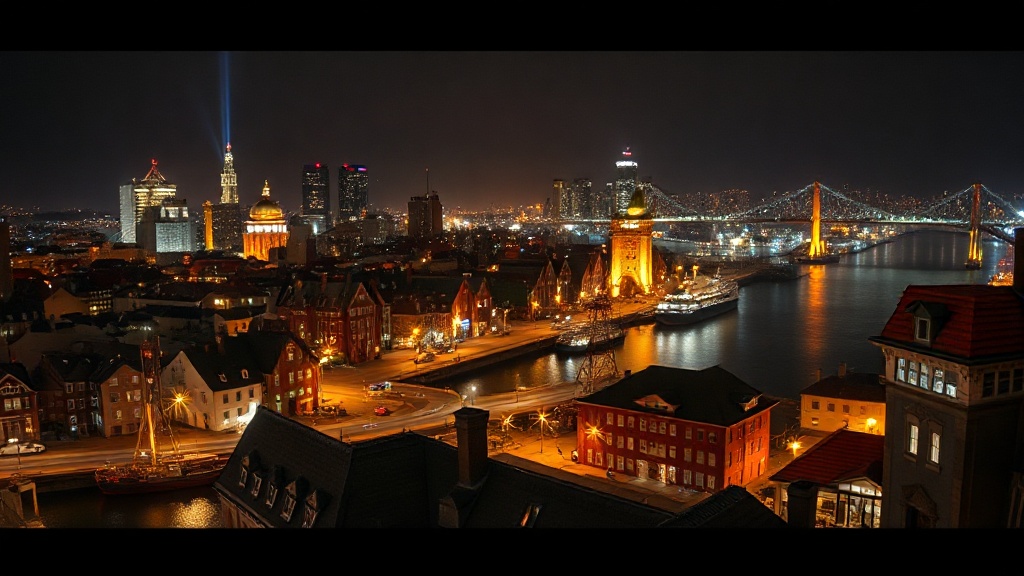
Arts, culture, and local commerce
The city’s creative economy is visible in local galleries, independent bookstores, and a vibrant live-music scene. Pop-up markets and maker fairs highlight small-scale producers and artisans.
A commitment to local business keeps retail streets lively and gives visitors an authentic, neighborhood-level experience.
Practical tips for visitors and newcomers
– Explore by neighborhood: Spend a day in one district rather than trying to see everything at once.
– Use transit and bikes: Parking can be limited; transit and bike rentals are efficient alternatives.
– Embrace casual dining: Food carts and neighborhood eateries often offer the most memorable meals.
– Layer clothing: Weather can change quickly—light layers work best for outdoor adventures.
Portland balances a strong sense of local identity with a practical, sustainable approach to city life. Whether the draw is coffee and culture or trails and rivers, the city offers a blend of urban amenities and outdoor escape that invites repeat visits and long-term stays.
Leave a Reply