Portland blends big-city culture with a compact, walkable feel and a strong focus on local businesses and sustainability. Whether you’re passing through or planning an extended stay, the city rewards curiosity with neighborhoods full of character, an eclectic food scene, and plenty of green space.
Why Portland stands out
Portland’s identity is built around independent shops, neighborhood-focused dining, and a culture of experimentation. Food carts and microbreweries are not just conveniences but local institutions; you’ll find multi-course meals next to classic comfort food, and ambitious small-batch beer available alongside longtime neighborhood pubs.
The coffee scene is robust, with independent roasters and neighborhood cafés fueling everything from business meetings to late-night creative sessions.
Neighborhoods to explore
– Pearl District: A former industrial zone turned polished urban core, ideal for galleries, boutique shopping, and converted lofts. It’s a good base for first-time visitors.
– Alberta and Mississippi avenues: Known for colorful murals, independent boutiques, and a lively nightlife with music venues and late-night bites.
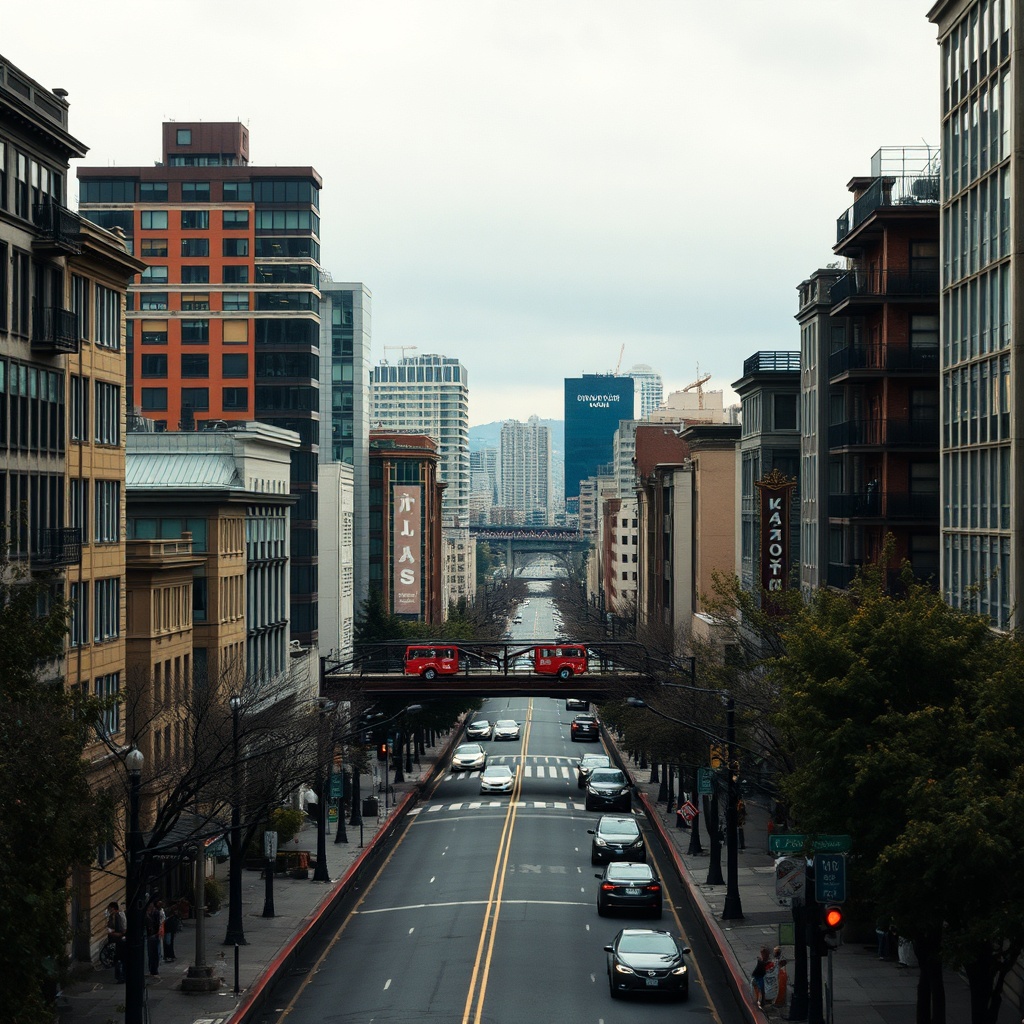
– Hawthorne: Laid-back with vintage stores, classic diners, and a strong counterculture vibe.
– Sellwood-Moreland: A quieter setting with antique stores, riverside parks, and a strong small-town feel within the city.
Parks and outdoor access
Green space is central to Portland life.
Forest Park offers extensive urban hiking with miles of trails and a surprising sense of wilderness minutes from downtown. Washington Park houses landmarks including a serene Japanese garden, a test garden devoted to roses, and family-friendly attractions. The Willamette River provides scenic waterfront promenades and bridges that offer unique perspectives of the skyline.
Getting around sustainably
Portland favors alternatives to solo driving. Biking infrastructure is well-developed with protected lanes and bike-friendly routes. Public transit is practical for many trips—light rail, streetcar, and buses connect major neighborhoods and attractions.
Rideshares, e-scooters, and bike-share programs supplement transit for last-mile trips. For a relaxed experience, consider exploring a neighborhood on foot to discover hidden cafés, murals, and local shops.
Food, drink, and markets
A defining feature is the diversity of food carts grouped in pods that let visitors sample many flavors in one stop—perfect for groups or indecisive eaters. Farmers markets and local grocers emphasize seasonal, local produce, and many restaurants prioritize farm-to-table practices. The craft beverage scene extends beyond beer to include inventive cocktails, natural wines, and locally distilled spirits.
Arts, music, and culture
Portland’s creative scene spans underground music venues, contemporary galleries, and community art spaces.
Street art and public installations give neighborhoods personality, while independent theaters and live-music venues showcase local and touring acts. Street festivals and neighborhood fairs pop up regularly, celebrating food, art, and community.
Practical tips
– Carry layers—coastal-influenced weather can shift quickly.
– Weekday mornings and evenings are best for quieter sightseeing; weekends draw more crowds to popular spots.
– Respect neighborhood etiquette: many small businesses are locally owned and thrive on repeat visitors and community support.
– Book popular experiences in advance when possible, especially special dinners and theater performances.
Portland offers a blend of urban amenities and outdoor access that rewards exploration. Focus on neighborhoods, sample the local food scene, and leave time for a walk in one of the city’s many green spaces to get a true feel for what makes Portland distinct.
Leave a Reply