Pacific Northwest travel and lifestyle guide: nature, culture, and practical tips
The Pacific Northwest draws travelers and locals for good reason: dramatic coastlines, temperate rainforests, volcanic peaks, vibrant urban scenes, and a deep connection to Indigenous cultures and local foodways. Whether planning a weekend escape or aiming to live more sustainably, this guide highlights what to see, how to prepare, and ways to experience the region respectfully.
Where to go
– Coastal highlights: Rugged beaches and tidepools along the coast offer dramatic views and wildlife viewing. Look for places with protected shoreline access and public viewpoints to avoid trampling dunes and fragile habitats.
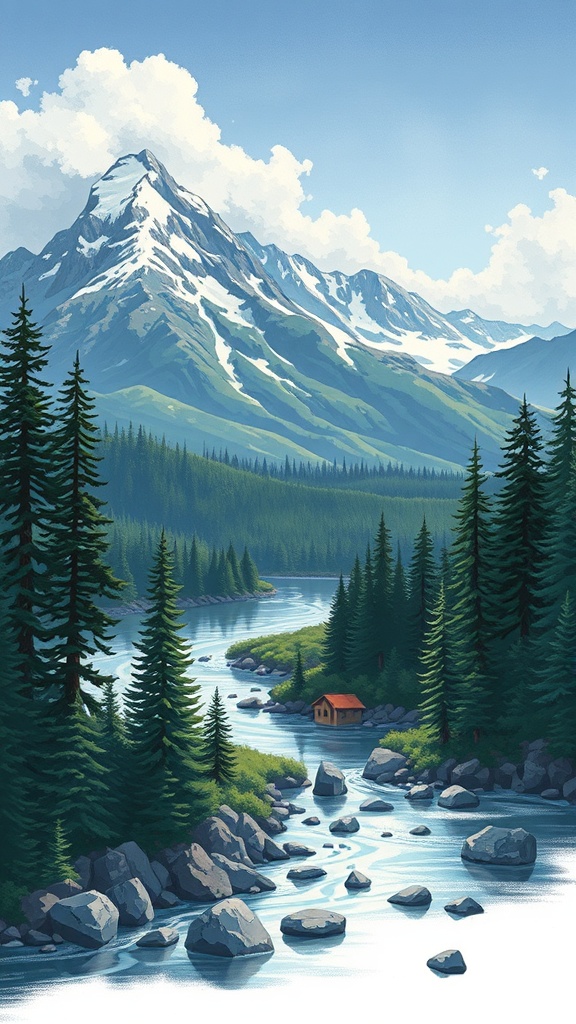
– Mountain escapes: Volcanic peaks and alpine meadows invite hikers, climbers, and photographers. Trail networks range from short, family-friendly walks to multi-day routes; always choose routes suited to your experience level.
– Forests and waterfalls: Temperate rainforests host towering old-growth trees and moss-draped landscapes. Waterfalls are plentiful—arrive early for quieter viewpoints and better light.
– Cities and towns: Urban hubs blend craft coffee, farm-to-table dining, independent bookstores, and a strong craft-beer scene.
Smaller towns often showcase local arts, farmers markets, and outdoor outfitters.
Outdoor activities and safety
– Hiking and trail etiquette: Stay on marked trails, camp only in designated sites, and pack out all trash.
Use a map or GPS and check trail conditions before heading out. Cell coverage can be intermittent—carry a paper map or offline route.
– Water safety: Rivers and ocean currents can be deceptively strong. Wear a life jacket when boating, be cautious near riverbanks and cliffs, and know tide schedules for coastal exploration.
– Wildlife awareness: Keep distance from wildlife, secure food in bear country, and never feed animals. Learn species-specific precautions for local areas you plan to visit.
– Fire risk and preparedness: Seasonal wildfire risk can affect air quality and access. Check local advisories and be ready to change plans. Use established fire rings where allowed and follow campfire restrictions.
What to pack
– Layered clothing: The region’s weather can shift quickly—bring moisture-wicking layers, a reliable rain jacket, and durable footwear.
– Navigation and safety gear: Headlamp, first-aid kit, map, compass or GPS, and a whistle. For longer trips, consider an emergency beacon.
– Reusable essentials: Water bottle, food containers, and utensils to reduce single-use waste.
Bring a lightweight backpacking stove if planning overnight trips where fires are restricted.
Respect local communities and culture
– Indigenous lands: Many natural areas are on territories of Indigenous nations.
Learn about local histories, support Indigenous-owned businesses, and follow guidelines when visiting culturally sensitive sites.
– Leave No Trace: Minimize impact by packing out waste, staying on durable surfaces, and avoiding disturbance of plants and archaeological sites.
– Support local economies: Choose locally owned accommodations, restaurants, outfitters, and artisans.
Farmers markets and co-ops are great ways to sample regional produce and goods.
Getting around
Public transit, regional rail, and ferry systems serve major corridors. Renting a car provides access to remote spots but consider transit and biking in urban centers to reduce emissions. Plan for limited services in rural areas and check ferry schedules where applicable.
Whether exploring a coastal bluff, tasting small-batch coffee, or setting out on a backcountry trek, thoughtful planning and respect for natural and cultural landscapes make for a richer, more sustainable Pacific Northwest experience.
Leave a Reply