Portland: A Practical Guide to Exploring Its Neighborhoods, Food Scene, and Outdoor Life
Portland’s mix of compact neighborhoods, lively food culture, and easy access to nature makes it a compelling destination for visitors and a resilient place to live. Whether you’re planning a weekend escape or scouting neighborhoods for a longer stay, here’s a practical guide to what makes the city stand out and how to experience it like a local.
Neighborhoods that define the city
– Pearl District: Once industrial, now a showcase for adaptive reuse, galleries, boutiques, and loft living.
It’s a convenient base for exploring downtown and a short walk to the waterfront.
– Alberta Arts District: Known for colorful murals, independent shops, late-night food options, and a strong arts community.
Expect a mix of food carts, cocktail bars, and pop-up events.
– Hawthorne and Division: These corridors combine vintage shops, cafes, and an evolving restaurant scene focused on seasonal, local ingredients.
– Mississippi and Nob Hill (NW 23rd): Both neighborhoods offer walkable streets lined with small businesses, music venues, and neighborhood bakeries—good spots for people-watching and casual dining.
Food and drink culture
Portland’s culinary scene is built around small-batch makers and entrepreneurial chefs. Food cart pods are an essential part of the experience—clusters of independent vendors serve globally inspired street food alongside communal seating. Coffee culture is strong: independent roasters and neighborhood cafés are more common than national chains. For craft beer, look for brewpubs with rotating taps and creative collaborations; many breweries emphasize sustainability and local sourcing.
Outdoors and active living
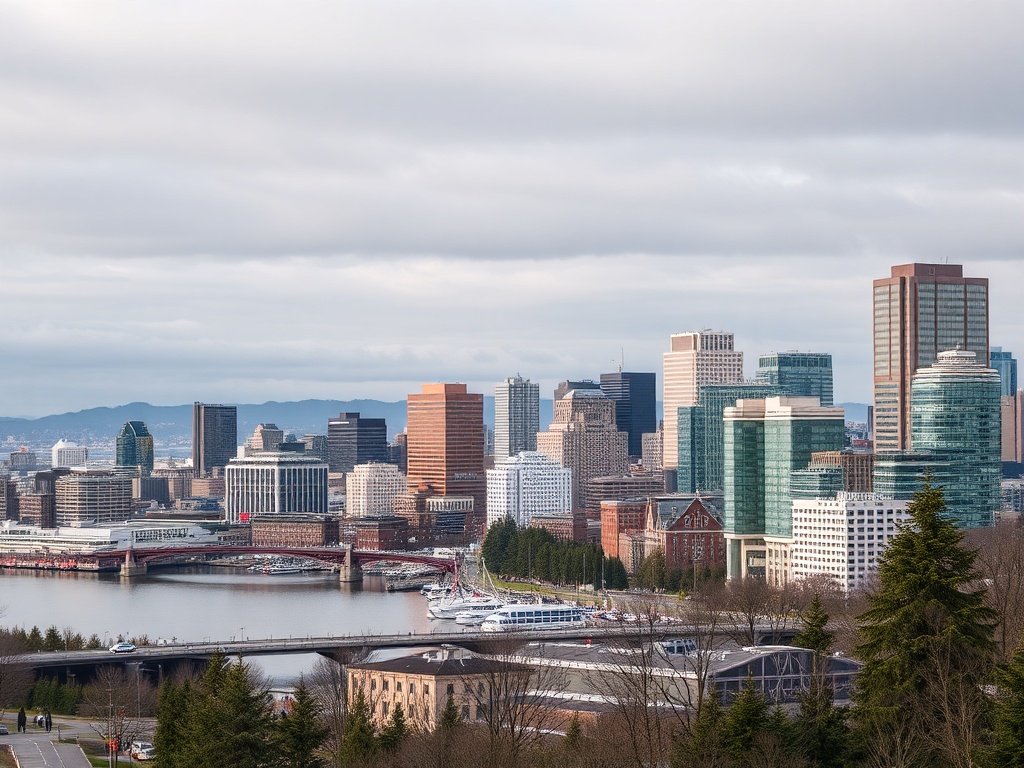
The city’s signature balance of urban life and nature is easy to access. Forest Park offers extensive trail networks for hikes and runs just minutes from the city center. The waterfront along the Willamette River provides walking and cycling routes that connect parks and bridges, while Washington Park houses a botanical garden, a world-class Japanese garden, and family-friendly attractions. For day trips, alpine recreation and scenic drives are a short distance away, making Portland a gateway for outdoor enthusiasts.
Getting around
Portland’s transportation mix favors alternatives to driving. A reliable light rail and bus network serves many neighborhoods, while a compact downtown makes walking efficient. Bike lanes and greenways are widespread, reflecting the city’s bike-friendly reputation. Bike-share and scooter options add flexibility for short trips. For the most efficient itinerary, combine transit with walking—parking can be limited and traffic congested in peak areas.
Sustainability and community resilience
Sustainability is woven into local planning and business practices. Urban forestry and green infrastructure are priorities to manage stormwater and improve air quality.
Many restaurants and retailers prioritize regional supply chains and waste reduction. Community organizations and neighborhood associations also play active roles in shaping local projects and public spaces.
Tips for a smoother visit
– Plan around weather variations; layering is the easiest way to stay comfortable.
– Explore food cart pods for affordable, authentic meals and a snapshot of local flavors.
– Reserve popular gardens and special exhibitions in advance to avoid long waits.
– Use transit or bike for central-city exploration; it’s often faster than searching for parking.
Portland thrives on a culture of discovery: small businesses, creative neighbors, and easy access to wild spaces all blend into an inviting urban fabric. Whether you’re drawn by the food, the parks, or the neighborhoods, exploring with a mix of transit, walking, and curiosity will reveal the city’s best offerings.
Leave a Reply