Oregon packs dramatic coastlines, alpine peaks, temperate rainforests, and fertile valleys into a relatively compact state, making it a top destination for outdoor adventure, culinary exploration, and sustainable travel. Whether you’re planning a long weekend or a slower road trip, here’s how to make the most of what Oregon offers.
Highlights and things to do
– Oregon Coast: Wind-swept beaches, rugged cliffs, and quaint seaside towns line the coast. Popular activities include tidepooling, storm-watching, beachcombing, and sampling fresh seafood at small coastal restaurants. Look for lesser-known state parks and viewpoints to avoid crowds and enjoy quieter stretches of shoreline.
– Columbia River Gorge: Known for dramatic waterfalls and panoramic vistas, the Gorge is a playground for hikers, windsurfers, and photographers. Well-marked trails range from short viewpoints to longer hikes that climb into alpine forests; pack sturdy footwear and a rain layer.
– Mount Hood and Cascades: Year-round recreation includes skiing, snow sports, and summer alpine hikes.
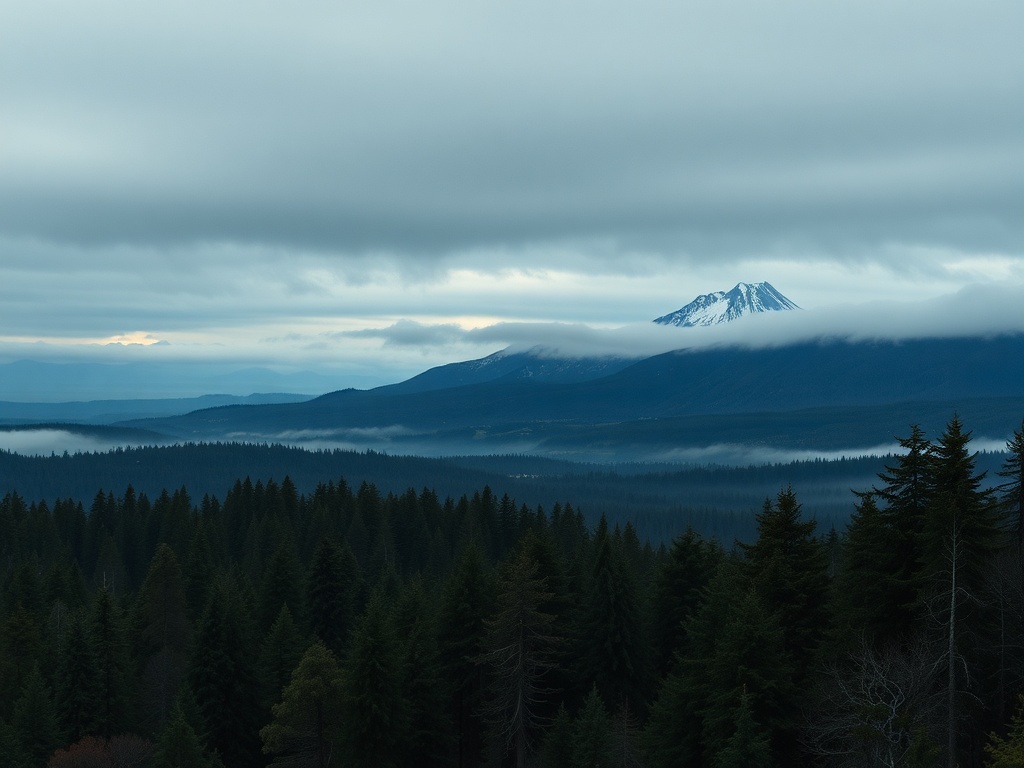
Road-accessible trailheads lead to wildflower meadows, glacial views, and high-elevation lakes—perfect for day hikes or overnight backpacking.
– Willamette Valley wine country: Pinot noir and cool-climate varietals thrive here.
Many wineries offer intimate tastings and scenic picnic spots. Combine a tasting route with visits to farm stands and cheese producers for a full culinary day.
– City life—Portland and beyond: Portland’s neighborhoods deliver food carts, distinctive coffee shops, independent bookstores, and an eclectic arts scene. Nearby towns such as Bend and Ashland offer outdoor access and thriving local culture, from craft breweries to performing arts.
Food, drink, and local makers
Oregon’s farm-to-table movement is strong. Farmers’ markets are excellent places to connect with producers and sample seasonal fruit, specialty cheeses, and artisan bread. The state’s craft beer scene is robust, with breweries emphasizing local hops and creative small-batch brews. For food-focused trips, plan stops at family-run orchards, oyster bars on the coast, and vineyards that prioritize sustainable farming.
Practical travel tips
– Plan for varied weather: Layers are essential.
The coast can be cool and windy even when valleys feel warm.
– Reservations and permits: Popular hikes, campgrounds, and wilderness areas sometimes require permits or advance reservations—check official state park and forest service sites before you go.
– Respect wildfire safety: Wildfire risk affects access to trails and campgrounds. Follow local advisories, practice safe campfire protocols where allowed, and carry a backup plan if closures occur.
– Leave no trace: Fragile coastal ecosystems and alpine meadows can be easily damaged. Pack out trash, stick to trails, and avoid disturbing wildlife.
Conservation and community engagement
Oregon communities are actively engaged in habitat restoration, sustainable forestry, and river conservation projects—many of which welcome volunteers. Supporting local stewardship through donations, volunteer days, or choosing businesses that prioritize sustainability helps preserve the landscapes that draw visitors.
Where to start
For a first-time visit, consider a route that combines a city stay with coastal or mountain day trips. For repeat visitors, explore deeper—less-traveled state parks, backcountry lakes, and small agricultural towns offer fresh perspectives on familiar regions.
Oregon rewards curiosity: leave room in your itinerary for unexpected stops, and allow slower moments to savor the state’s natural beauty, craft food and drink, and community-driven conservation efforts.
Leave a Reply