The Columbia River Gorge is one of Oregon’s most magnetic landscapes—where dramatic cliffs plunge into a wide river, waterfalls cascade through ancient basalt, and wind-filled valleys draw sailors and windsurfers from across the region. Whether you’re chasing waterfalls, packing a camera for sweeping panoramas, or seeking a day hike that finishes at a viewpoint, the Gorge delivers diverse experiences within a short drive from Portland.
Why the Gorge stands out
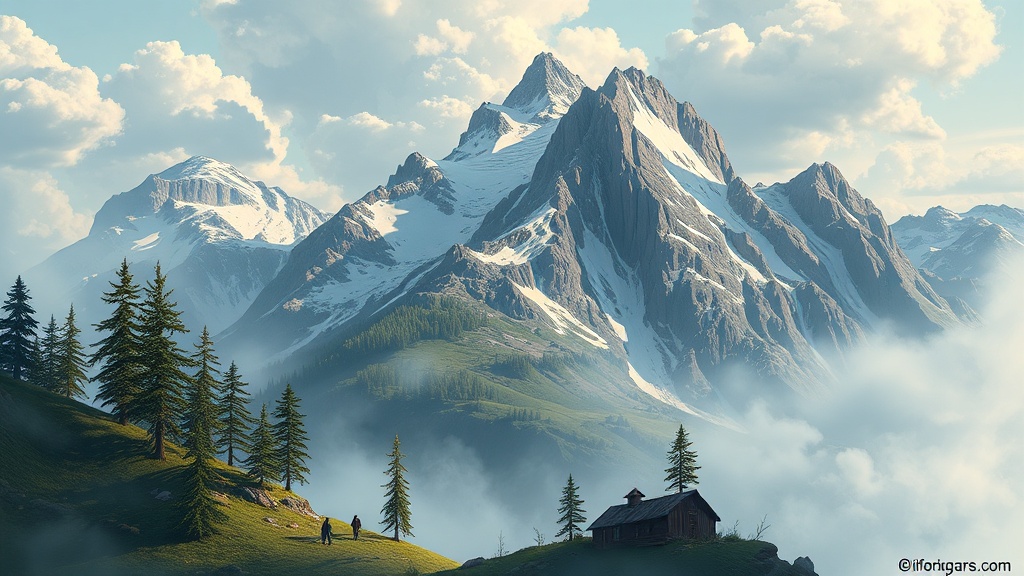
This corridor blends geological drama with accessible recreation. Dozens of waterfalls, from easily reached roadside falls to multi-mile cascades reached by trail, create a landscape that changes with every season. The Gorge is also a working landscape: farms, orchards, vineyards and small towns sit tucked under the cliffs, offering food, local craft beverages and cultural stops to round out an outdoor trip.
Top outings and trails
– Multnomah Falls: The most iconic stop—an easy walk from the parking area with scenic viewpoints. For a longer outing, continue up past the Benson Bridge toward higher viewpoints.
– Angel’s Rest: A roughly moderate hike with a rewarding panorama of the river and valley below. Great for sunrise or late-afternoon light.
– Eagle Creek area: Known for tunnels, waterfalls and dramatic canyon scenery—check current trail conditions before setting out, as section closures can occur after storms or fires.
– Historic Columbia River Highway State Trail: A mostly paved, scenic route that links waterfalls and viewpoints—ideal for casual cyclists and families.
– Hood River and the wind corridors: The river’s east end is a wind-sport hub; expect lively kiteboarding and windsurfing when winds pick up.
Safety and stewardship
The Gorge’s beauty also brings congestion and natural hazards. Trail and roadside parking can be limited—plan to arrive early or use public transit and shuttles when available. Trails can be steep, muddy or slick; wear proper footwear and pack layers because weather changes quickly in the canyon.
Cell service is unreliable in many spots, so download maps and tell someone your plans.
Leave No Trace principles matter here more than ever: pack out trash, stay on designated trails to reduce erosion, and keep dogs leashed where required. Many trail closures or repairs are the result of heavy use or natural events; supporting local land managers and stewardship organizations helps preserve access.
Practical tips for a great visit
– Check official trail and park updates before you go to confirm closures, parking rules and permit requirements.
– Bring water and snacks—services can be sparse in between towns.
– Consider a midweek or shoulder-season visit to avoid peak crowds.
– If photographing waterfalls, use a neutral-density filter for silky water effects and bring a tripod for sharper compositions.
– Support local businesses in towns like Hood River, Cascade Locks and Mosier for coffee, gear and dining.
Conservation and community
The Gorge’s long-term health depends on balancing recreation with conservation. Volunteer trail days, donations to local land trusts and responsible tourism all help protect habitats for salmon, migratory birds and native plants. Community-led restoration and invasive-species removal projects invite visitors to give back after enjoying the views.
Whether you’re planning a single-day escape or a longer basecamp for outdoor activities, the Columbia River Gorge offers big scenery and close-in access. With preparation, respect for the land and a sense of adventure, a visit can be both inspiring and restorative—leaving you eager to return and help keep the Gorge vibrant for others.
Leave a Reply