Oregon Coast: How to Explore Responsibly and Make the Most of Every Mile
Stretching from windswept headlands to sheltered bays, the Oregon coast offers dramatic scenery, charming towns, and outdoor experiences that reward curiosity and care. Whether craving long beach walks, tidepool discoveries, or seafood dinners with an ocean view, a thoughtful approach helps preserve this special coastline while enhancing every visit.
Why the Oregon coast stands out
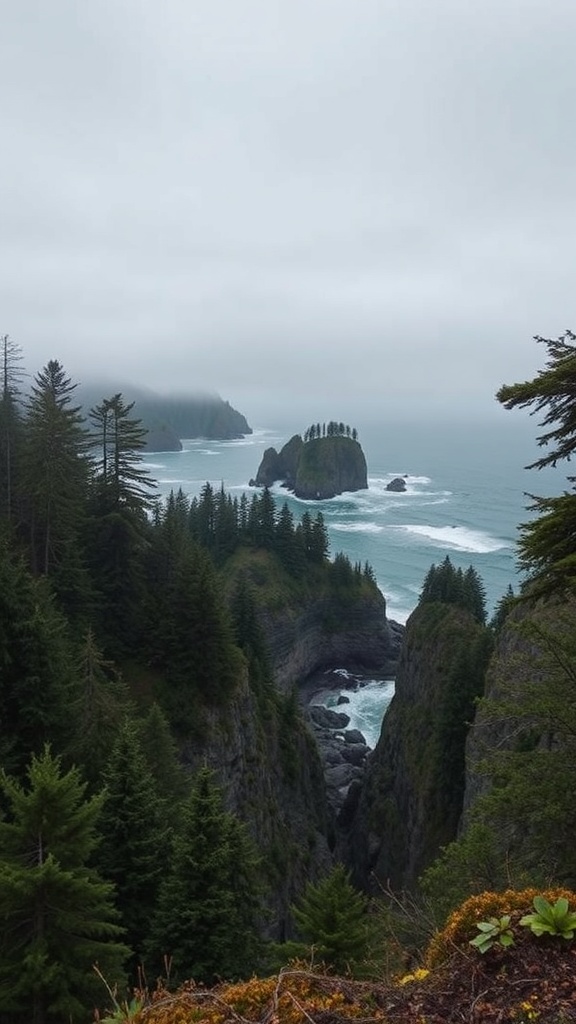
The coastline is defined by jagged sea stacks, old-growth forests meeting the shore, and a patchwork of marine reserves that protect rich intertidal life. Small seaside communities bring artisan shops, galleries, and locally caught seafood—making it easy to support the local economy while enjoying authentic coastal culture.
Plan with tides and safety in mind
Tide knowledge is essential. Many favorite activities—exploring tidepools, beachcombing, and photographing sea stacks—are safest at low tide. Look up local tide charts before heading out and avoid cliff edges and rip currents. Weather shifts can be sudden; dress in layers and pack waterproof outerwear. Good footwear matters: sturdy shoes with traction make hikes on rocky shorelines and sand safer and more enjoyable.
Top sights and stops (select highlights)
– Dramatic viewpoints: Headlands and promontories offer panoramic views and prime wildlife-watching opportunities. Bring binoculars for spotting seabirds, seals, and migrating whales from shore.
– Tidepool habitats: Intertidal zones teem with starfish, anemones, and crabs.
Observe without disturbing—leave creatures in place and avoid overturning rocks.
– Scenic corridors: Coastal drives reveal hidden coves, dunes, and forested bluffs. Pull into designated overlooks to take photos and keep traffic moving.
– Small towns and local food: Coastal towns are excellent places to sample fresh seafood, handmade goods, and regional wines or craft beverages.
Choosing independently owned restaurants and shops keeps tourism dollars local.
Respect marine and coastal ecosystems
Many parts of the coast fall within marine reserves and protected areas.
These places are managed to preserve habitats and biodiversity—fishing and collecting may be restricted. Follow posted rules, pack out what you bring in, and minimize disturbance to wildlife. When watching birds or resting marine mammals, keep a respectful distance; use cameras and binoculars instead of approaching animals.
Sustainable travel tips
– Reduce single-use plastics: Bring a reusable water bottle, coffee cup, and shopping bags.
– Support low-impact operators: Choose outfitters and tour operators that follow sustainable practices, such as limited group sizes and leave-no-trace principles.
– Stay on trails: Vegetation and dune grasses prevent erosion; staying on established paths protects those fragile systems.
– Conserve water and energy: Small steps at lodging—shorter showers, reusing towels, and turning off lights—add up on longer trips.
Make it an active, mindful trip
Incorporate walks, short hikes, or guided naturalist outings to deepen connection with the landscape. Photography, sketching, or journaling are simple ways to engage with the coast without leaving a footprint. For visitors with limited time, prioritize one or two experiences—such as a coastal trail hike plus a local seafood meal—rather than trying to cover every highlight in a single day.
The Oregon coast offers endless discovery when visited with curiosity and care. Planning thoughtfully, respecting local rules, and supporting community businesses helps keep the coastline healthy and vibrant for people and wildlife alike. Pack smart, move slowly, and let the shore reveal its quieter treasures.
Leave a Reply