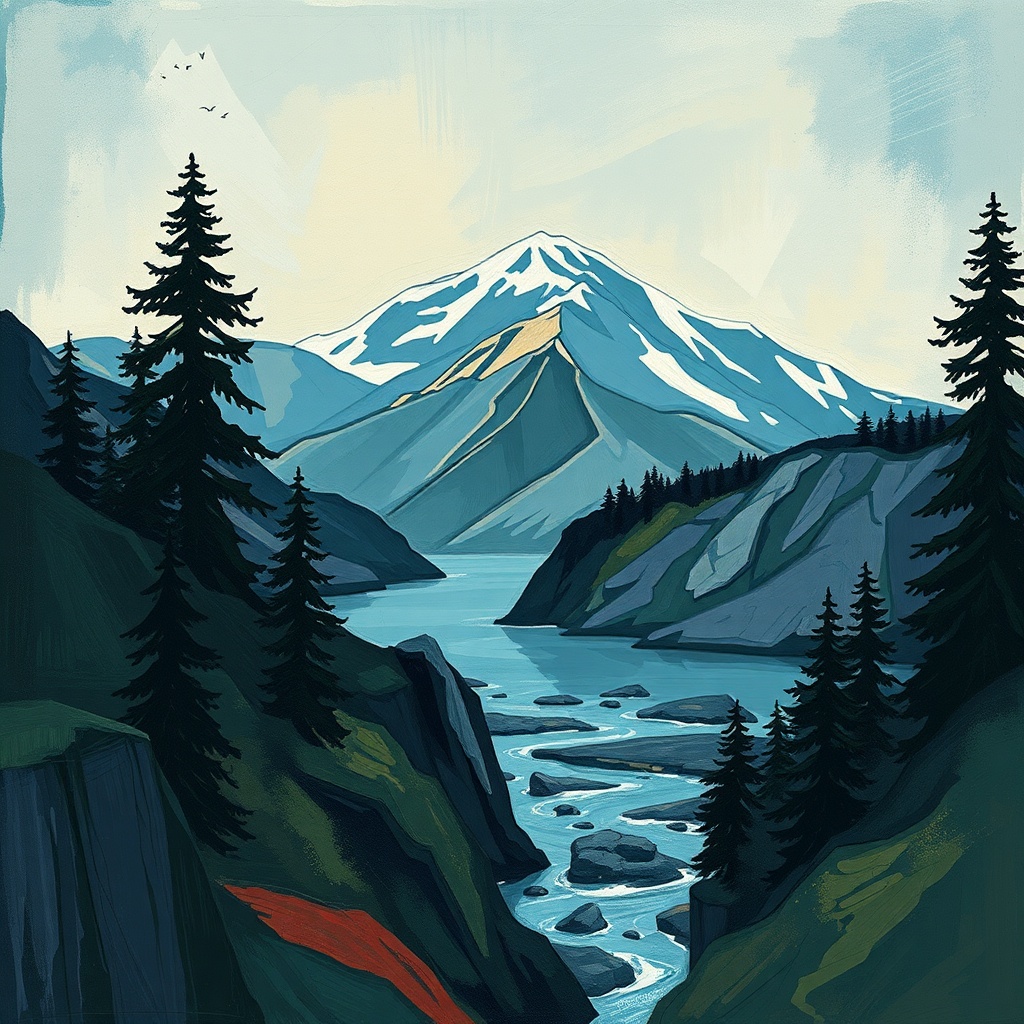
The Pacific Northwest blends towering evergreens, dramatic coastline, volcanic peaks, and vibrant cities in a way few regions match. Whether you’re drawn to rain-slick old-growth forests, wind-swept beaches, or craft coffee and farm-to-table dining, the region offers a deep sense of place—one shaped by Indigenous cultures, abundant waterways, and a strong outdoors ethos.
What makes the region special
– Diverse landscapes: From the coastal shores and tide pools to the high alpine of the Cascade Range and the moss-draped forests of the Olympic Peninsula, the PNW packs a wide range of ecosystems into a compact area.
This diversity supports rich wildlife and varied recreational options.
– Urban-nature balance: Cities like Seattle, Portland, and Vancouver (BC) prioritize parks, bike networks, and access to nearby trails and water, letting residents and visitors pivot quickly between urban amenities and wilderness.
– Food and water culture: The region’s rivers and ocean sustain salmon runs that are culturally and ecologically significant, while fertile valleys produce world-class berries, apples, and vegetables. Coffee, craft beer, and sustainable seafood are local staples.
Travel and outdoor ethics
Visiting responsibly preserves what makes the Pacific Northwest special.
Follow these principles:
– Leave no trace: Pack out trash, stay on durable surfaces, and minimize campfire impacts where regulations apply.
– Respect wildlife and salmon habitat: Keep distance from animals and avoid disturbing streams during spawning season. Small actions like staying out of shallow streams and using shorelines responsibly help fragile populations.
– Follow trail etiquette: Yield to uphill hikers, announce when passing on singletrack, and leash dogs where required.
– Support local economies: Choose locally owned accommodations, outfitters, and restaurants that source regional ingredients and employ local guides.
Top experiences worth planning for
– Coastal exploration: Tidepooling, storm-watching, and beachcombing reveal dramatic geology and marine life along the coastline.
– Mountain trails: Day hikes to volcanic viewpoints, mossy old-growth walks, and alpine meadows are plentiful. Check seasonal trail conditions and permits before heading out.
– Water adventures: Kayaking in protected bays, paddleboarding on calm lakes, and whitewater rafting in controlled sections of major rivers offer different perspectives on the landscape.
– Cultural sites: Visit tribal cultural centers, museums, and local markets to learn about Indigenous histories and contemporary creativity. Attend community events and seasonal festivals to connect with local traditions.
Practical planning tips
– Pack for microclimates: Layers are essential; sun, wind, rain, and cooler mountain air can appear within a single day.
– Book smart: Peak access to popular trails and ferries can be limited; consider weekdays or less-visited alternatives to avoid crowds.
– Safety first: Cell coverage can be sparse in remote areas—carry offline maps, a charged power bank, and basic navigation tools. Let someone know your route and expected return.
Conservation to consider
The region faces ongoing pressures from development, warming temperatures, and wildfire seasons that affect air quality, trail access, and wildlife.
Supporting conservation organizations, choosing low-impact travel options, and advocating for responsible land management help preserve the landscapes that define the Pacific Northwest.
Whether you’re exploring tidepools and estuaries, enjoying a city’s culinary scene, or hiking a fog-draped ridge, the Pacific Northwest rewards curiosity and careful stewardship. Leave spaces better than you found them, and the region will continue to inspire for generations to come.
Leave a Reply