Seattle is in the middle of a noticeable transformation — balancing rapid transit growth, waterfront revitalization, and a renewed emphasis on livability. For residents and visitors alike, these changes are creating new ways to move around the city, enjoy public spaces, and experience Seattle’s signature mix of urban energy and outdoor access.
Transit and the commute
Sound Transit and local agencies are expanding options that make getting around Seattle less car-dependent. Light rail lines and new stations are reshaping commutes, connecting neighborhoods that were once difficult to reach without a long drive.
Transit-oriented development is encouraging more walkable neighborhoods around hubs, and first- and last-mile solutions — bike-share, scooters, expanded bus service — are filling gaps.
For someone planning a commute or a day out, combining light rail with bus or bike often shortens travel time and removes the hassle of parking downtown. Expect a more integrated transit map, with real-time apps and contactless payment standard across modes.
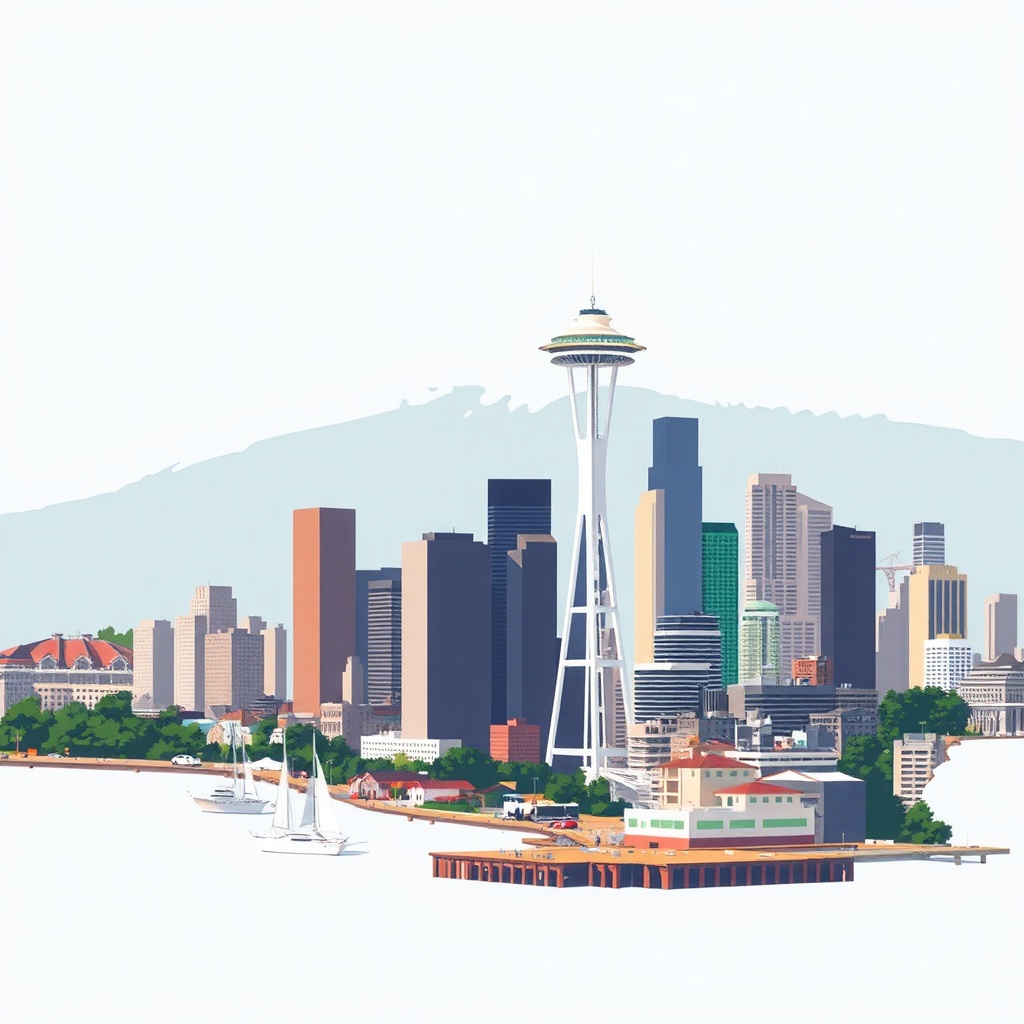
Waterfront and neighborhoods
Seattle’s waterfront has been a focal point of change.
New public plazas, trails, and improved shoreline access are creating a more inviting corridor from the downtown core to the piers. Family-friendly attractions mingle with year-round markets, open-air events, and spaces designed for both locals and visitors. Neighborhoods adjacent to the waterfront are seeing investments that focus on public realm improvements and small business resilience.
At the same time, many residential areas are adapting. Some office buildings are converting to mixed-use or residential spaces, which is quietly reshaping downtown’s day-to-night balance. This shift supports local retail and makes the core feel more lived-in after business hours.
Food, coffee, and culture
Seattle’s food scene continues to thrive beyond the headline spots.
Neighborhood bakeries, chef-driven eateries, and global kitchens populate unexpected corners, while coffee remains central to daily life. Specialty roasters and microcafés share space with long-standing institutions, creating a layered coffee culture that rewards exploration.
Markets and cultural venues remain magnets for both locals and visitors. Pike Place and its surrounding alleys still offer fresh produce, unique shops, and street performers, but newer food halls and pop-up markets are expanding culinary choices across the city.
Outdoor access and climate resilience
One of Seattle’s unique advantages is proximity to water, mountains, and forests. Trails, parks, and waterfront promenades make it easy to switch from urban activities to outdoor adventures within a short trip. City planners are increasingly prioritizing climate resilience — shoreline restoration, green infrastructure, and pedestrian-first streets — so public spaces remain enjoyable and functional as weather patterns shift.
Tips for exploring
– Use transit apps for real-time schedules and to plan multi-modal trips.
– Wear layers — microclimates around the water can be cooler and breezier.
– Visit neighborhoods beyond downtown for authentic coffee shops, food, and community markets.
– Check local event listings for outdoor concerts, night markets, and pop-up performances.
Seattle’s evolution is about connectivity and quality of life. Whether you’re navigating a growing transit network, exploring a refreshed waterfront, or sampling neighborhood eats, the city is offering more ways to live, work, and play without losing the natural backdrop that defines it. Take time to walk new streets, try alternate transit routes, and discover how familiar places have been reimagined.
Leave a Reply