Seattle’s Waterfront Reimagined: A Guide to the City’s Evolving Shoreline
Seattle’s waterfront has long been a meeting point of sea, city, and culture. Today it’s undergoing a thoughtful transformation that balances public space, climate resilience, and local business vitality — offering visitors and residents a refreshed way to experience Elliott Bay.
What’s changing and why it matters
The waterfront redesign prioritizes people over cars, extending promenades, widening plazas, and creating better connections between downtown, Pike Place Market, and the piers. Projects focus on accessible pathways, plentiful seating, new green spaces, and public art — all intended to make the shoreline an everyday destination rather than a fast route through the city.
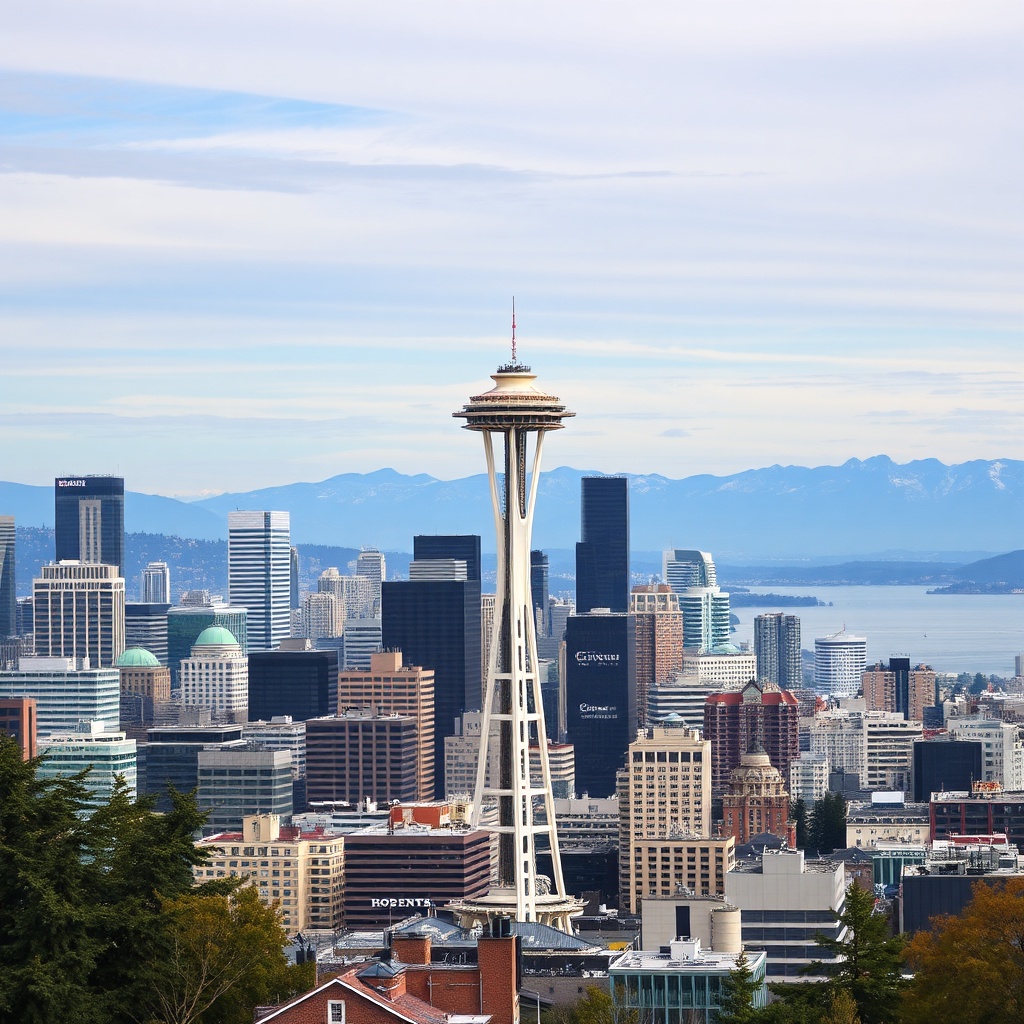
Resilience and thoughtful design
With rising tides and storm events shaping coastal planning, new waterfront work incorporates raised boardwalks, tide-adaptive landscaping, and durable materials to help protect infrastructure and nearby neighborhoods. Native plantings and permeable surfaces reduce runoff while supporting urban habitat. These elements make the waterfront more enjoyable while preparing it for long-term use.
What to see and do
– Stroll the promenade: The continuous waterfront path connects key attractions and offers uninterrupted views of the Sound, ferries, and the Olympic Mountains on clear days. Benches and viewpoints invite lingering and people-watching.
– Explore public art and memorials: Sculptures, murals, and interpretive signs along the shoreline celebrate maritime history, indigenous heritage, and the city’s maritime industries.
– Visit Pike Place Market and the piers: The market remains a short, pedestrian-friendly walk from the waterfront, while the piers host restaurants, shops, and family-friendly attractions like the Great Wheel and aquarium access.
– Bike or roll: The Elliott Bay Trail and adjacent bike lanes make it easy to traverse the waterfront by bike, scooter, or on foot, connecting to neighborhood greenways and transit hubs.
Where to eat and shop
Small local businesses are central to the waterfront experience.
Seafood stands, casual eateries with bay views, coffee shops, and craft vendors offer a taste of the region. Many businesses emphasize sustainable sourcing and local ingredients, so visitors can enjoy cuisine that reflects the Pacific Northwest.
Getting there and getting around
The waterfront is well served by multiple transit options, including frequent bus routes and light-rail connections to downtown stations a short walk away. Ferries and water taxis provide shoreline-to-shoreline access, which adds a scenic element to city travel.
For those driving, expect intentionally limited, short-term parking close to key attractions; the redesign encourages walking and transit use.
Tips for visitors
– Pick a weekday early morning or late afternoon for fewer crowds and softer light for photos.
– Wear layers and comfortable shoes; the waterfront is exposed to wind off the bay.
– Bring a reusable water bottle and check for refill stations to reduce single-use plastic.
– Respect public spaces and local businesses — quiet enjoyment helps preserve the waterfront’s character.
Why it matters for the city
The waterfront transformation is more than aesthetics.
It’s an investment in public health, climate adaptation, and economic resilience for small businesses.
By creating a welcoming, accessible shoreline, Seattle strengthens its identity as a livable, waterfront city that blends natural beauty with urban life.
Whether you’re passing through or planning a slow day of exploring, the waterfront is one of the best places to experience Seattle’s blend of maritime history, creative energy, and forward-thinking design.
Leave a Reply