Seattle’s waterfront is undergoing a thoughtful transformation that’s reshaping how locals and visitors experience the city. Once dominated by heavy industrial uses and busy roadways, the shoreline has been refocused around public space, walkability, and connections to the Puget Sound—creating a more inviting, resilient edge to the urban core.
What’s changing
The priority has shifted to people-first design. Wide promenades, extended green spaces, and improved bike lanes replace narrow sidewalks and congested car routes.
New parks and plazas offer places to linger, watch ferries glide by, and catch skyline views framed by the Olympic Mountains.
Historic piers are being repurposed for dining, arts, and maritime interpretation, supporting small businesses and preserving the waterfront’s working heritage.
Sustainability and resilience
Sustainable design is central to redevelopment. Planners and engineers are integrating green stormwater systems, native plantings, and permeable surfaces to reduce runoff into Puget Sound. Coastal resilience features—like elevated walkways and adaptable shoreline edges—help protect public spaces from rising water levels and extreme weather while keeping the area accessible year-round.
Cultural and culinary draws
The waterfront remains a hub for iconic attractions combined with new experiences. Seafood markets, casual eateries on repurposed piers, and farm-to-fork restaurants anchor the food scene. Public art and seasonal programming animate open spaces, while small maritime museums and educational installations connect visitors to the region’s seafaring past. Nearby cultural anchors such as Pike Place Market and the Olympic Sculpture Park are all part of a walkable loop that encourages exploration on foot.
Getting there and getting around
Improved transit connectivity makes the waterfront easier to reach without a car. Light rail and frequent bus routes bring people close to the waterfront’s main access points; ferries and water taxis add scenic commutes from across the Sound. Bike lanes and bike-share stations create low-impact options for short trips, and the expanded pedestrian network encourages a leisurely pace ideal for sightseeing.
Economic and community benefits
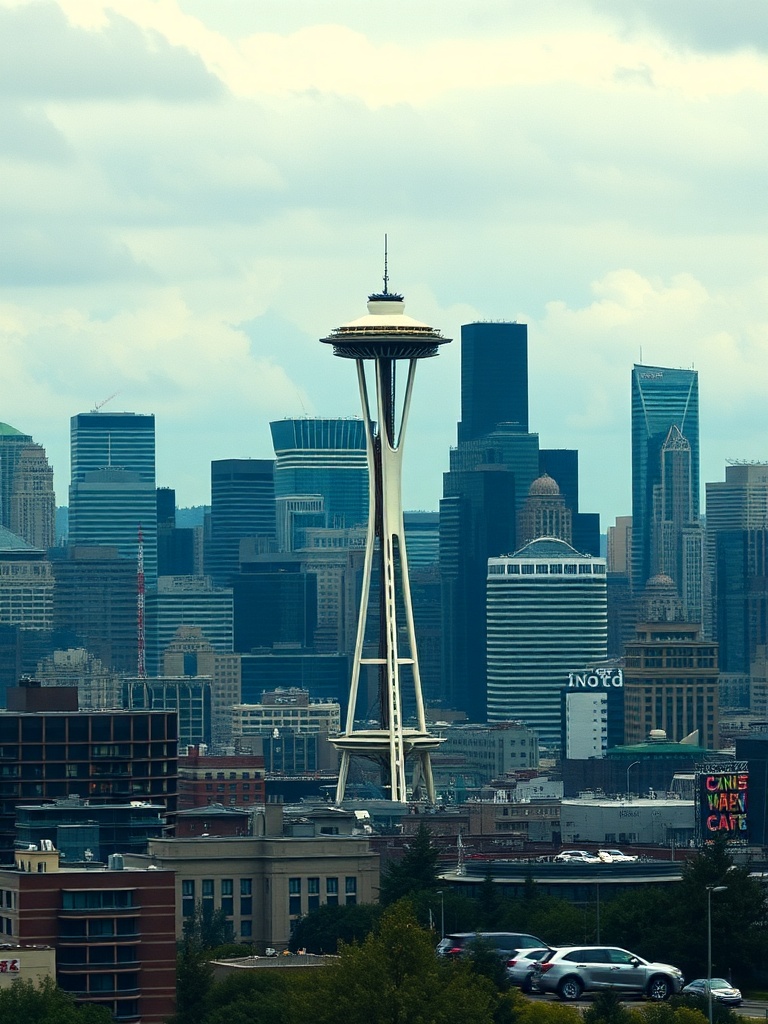
The revitalized waterfront supports local entrepreneurs by creating lively retail and dining spaces with higher foot traffic. Public spaces designed for events and gatherings generate year-round activity that benefits surrounding neighborhoods. Community engagement has shaped many aspects of the project, from preserving historical elements to prioritizing accessibility—ensuring that the waterfront reflects a broad range of voices.
Tips for visiting
– Walk the full waterfront loop early in the day to avoid crowds and catch calm water views.
– Combine the waterfront with nearby attractions—market stalls, art parks, and ferry terminals make for easy additions.
– Use transit or bike options to skip parking hassles; many access points are transit-friendly.
– Check local event listings—open-air concerts, seasonal markets, and cultural festivals frequently animate piers and plazas.
The waterfront’s evolution highlights a broader shift toward urban spaces that prioritize health, access, and connection to nature. Whether you’re a long-time resident or a first-time visitor, the newly framed shoreline invites slower, more intentional exploration of Seattle’s maritime heart.
Leave a Reply