Seattle’s Waterfront: What to See, Do, and Know Before You Go
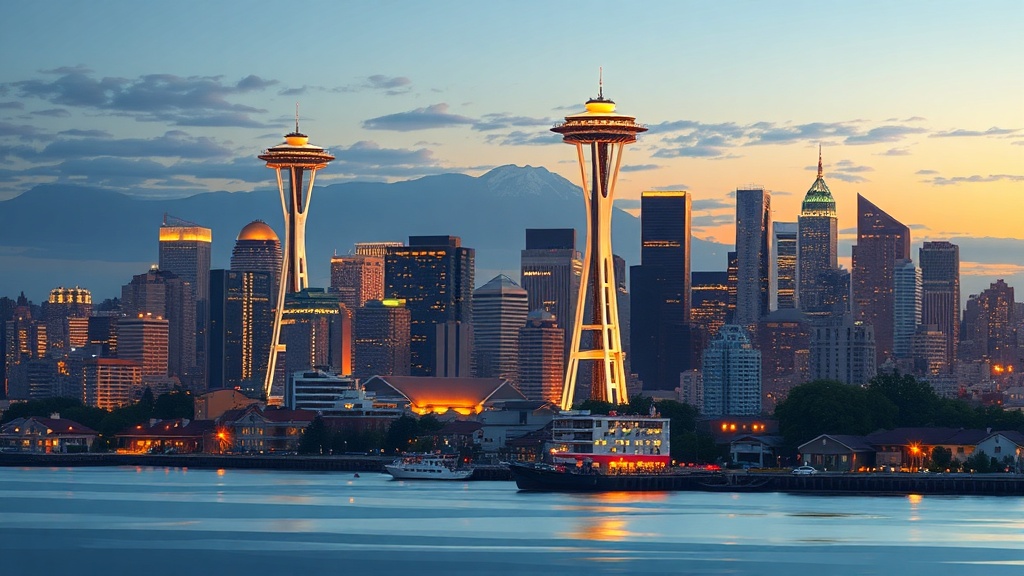
Seattle’s waterfront is one of the city’s most dynamic places — a mix of historic markets, modern parks, public art, and working piers that attracts locals and visitors alike. Whether you’re after fresh seafood, scenic walks, or easy access to ferries and ferris wheels, the waterfront offers a compact, walkable experience with plenty of layers to explore.
Why the waterfront matters
The waterfront stitches together Seattle’s maritime history with contemporary urban life. Pike Place Market anchors the northern end with a centuries-old vibe of vendors, craftspeople, and food stalls. To the south, renovated piers and parks provide open space, beaches, and views over Elliott Bay. The area is also a living example of urban resilience planning, with investments in flood protection, stormwater management, and public green space designed to keep the shoreline healthy and accessible.
Top things to do
– Pike Place Market: Watch fishmongers toss salmon, browse specialty shops, and sample local bites. Don’t miss the original Starbucks location if you enjoy coffee culture, though the market’s lesser-known vendors often reward curious palates.
– Waterfront Park and Promenade: Walk, jog, or bike along continuous waterfront paths with seating, interpretive signs, and public art. Several overlooks provide postcard-perfect views of the bay.
– Ferris Wheel and Family Attractions: A large waterfront wheel offers panoramic views; nearby piers host museums, aquarium access, and family-friendly activities.
– Seafood and Dining: Waterfront restaurants range from casual clam shacks to upscale dining with harbor views. For the freshest options, look for vendors and eateries that source local, sustainable seafood.
– Boat rides and ferries: Ferries and private tours depart from nearby terminals—an ideal way to experience the Puget Sound, watch for wildlife, or reach nearby islands.
Getting there and getting around
The waterfront is very walkable from downtown neighborhoods and well-served by transit. Light rail and buses drop riders within a short walk of the market, and dedicated bike lanes and shared micromobility options make it easy to arrive without a car.
Parking can be limited and expensive on weekends and during large events; using public transit or ride services is often faster and less stressful.
What’s changed and what to expect
Ongoing revitalization efforts continue to focus on creating resilient public spaces, improving pedestrian connections, and enhancing the visitor experience while preserving maritime uses.
Look for upgraded promenades, more green infrastructure to manage stormwater, expanded seating zones, and public art installations that reflect local culture and Indigenous heritage. These changes aim to balance daily life for residents, tourism, and ecological health of the shoreline.
Accessibility and safety
Most public waterfront areas are ADA-accessible with ramps and elevators at key points. Safety is reinforced through active policing, community programs, and improved lighting and sightlines. For those with mobility needs, check specific venue pages for the latest accessibility information, including elevator status and accessible restroom locations.
Tips for a great visit
– Start early to avoid peak crowds, especially at popular market stalls.
– Bring layers—waterfront weather can shift quickly with winds off the bay.
– Pack a reusable bag for market purchases and a refillable bottle to reduce waste.
– Check ferry and tour schedules if planning boat-based activities.
– Respect working piers and marine areas—stay in designated public zones and follow posted signage.
The Seattle waterfront continues to evolve while staying true to its maritime roots. Whether you’re exploring market alleys, watching the sunset over the bay, or catching a ferry, it remains a vibrant place to experience the city’s character and shoreline resilience.
Leave a Reply