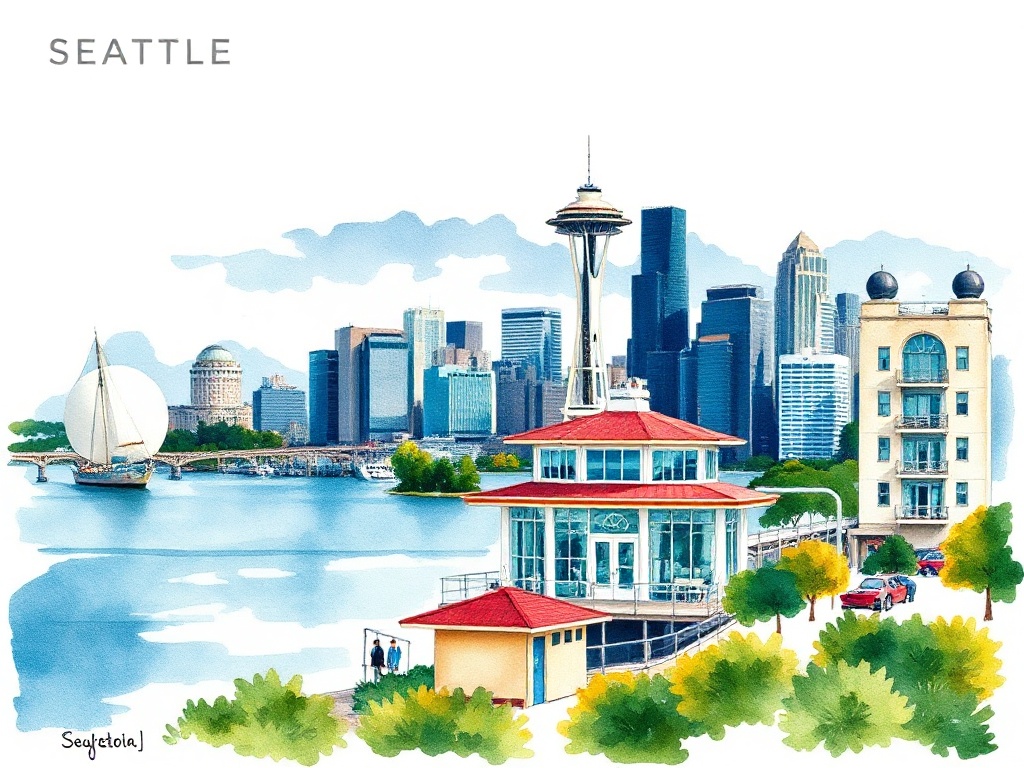
Seattle’s waterfront and public spaces are transforming into a model of urban livability, blending maritime history, green design, and easy access to outdoor adventure. Whether you’re a local, a frequent visitor, or planning your first trip, the city offers a compelling mix of culture, transit-friendly exploration, and nature just beyond the shoreline.
Why Seattle’s waterfront matters
The waterfront is more than a scenic stretch along Puget Sound. It’s a civic spine that connects historic neighborhoods, public markets, parks, and the ferry terminals that link the region’s islands.
Recent redevelopment efforts prioritize walkability, climate resilience, and places where people can gather—improving views, expanding green space, and making the shoreline more accessible for all ages and abilities.
Top waterfront attractions and experiences
– Pike Place Market: A lively hub for fresh seafood, artisan goods, and iconic market culture.
Don’t miss the fish-throwing stalls, but also take time to explore the quieter corners and local coffee stands.
– Waterfront Park and promenades: Smooth walkways, seating, and lookout points create a welcoming route for strollers, joggers, and sunset watchers.
– Olympic Sculpture Park: An outdoor museum that pairs large-scale art with sweeping Sound vistas—perfect for a reflective stroll or a photo stop.
– Ferries to the islands: Short ferry rides provide instant access to island communities, hiking trails, and a different pace of life—ideal for a day trip.
– Harbor tours and kayak rentals: See the skyline from the water or paddle beneath the piers for a closer connection to the marine environment.
Getting around without a car
Seattle’s transit system and pedestrian-friendly waterfront make it easy to enjoy the city without driving. Frequent ferry service, expanding light rail lines, and well-connected bus routes link neighborhoods to the core. Bike lanes and rental scooters offer short-trip convenience, while ferries and water taxis provide scenic alternatives to bridges and tunnels.
Planning for climate and resilience
Sea-level rise and storm impacts are central to waterfront planning. Projects focus on resilient shorelines—engineered seawalls, flood-absorbing plazas, and green infrastructure that manages stormwater while enhancing habitat. These investments aim to protect public access and the local economy while restoring habitat for salmon and migrating birds.
Where to eat and sip
Seattle’s food scene reflects its coastal bounty. Waterfront restaurants highlight fresh, sustainably sourced seafood, while neighborhood cafes and micro-roasters continue the city’s storied coffee culture. For a local feel, seek out smaller bakeries and markets tucked down alleys or along side streets near the piers.
Insider tips for a better visit
– Walk the length of the waterfront at different times of day to catch sunrise, midday activity, and golden-hour views.
– Combine a market visit with a ferry trip to explore an island community in a single outing.
– Check transit apps for real-time ferry and light rail schedules—service frequency can vary with events and weather.
– Bring layers: coastal microclimates mean sunshine and cool breezes can switch quickly.
A waterfront for every season
The waterfront sustains year-round appeal.
Mild coastal weather makes it suitable for outdoor dining and walks through most months, while rainy days offer cozy cafés and indoor markets to explore. For seasonal festivals or public events, check local event calendars to discover special exhibitions and performances that animate the shoreline.
Seattle’s waterfront is where urban life meets the natural world—a place to relax, explore, and reconnect with the maritime pulse that defines the city.
Whether you’re sampling seafood, hopping a ferry, or simply watching the ferries cross the Sound, there’s always something new to discover along the water’s edge.
Leave a Reply