Seattle blends urban energy, natural beauty, and a thriving cultural scene into a compact, walkable city that rewards exploration. Whether you’re planning a short visit or looking to rediscover local favorites, these highlights and practical tips will help you make the most of the Emerald City.
What to see and do
– Pike Place Market: More than a market, it’s a living neighborhood with fishmongers, artisan stalls, and must-visit bakeries. Wander the upper levels for quiet finds, then stop for a coffee at one of the independent roasters.
– Waterfront & Aquarium: The waterfront offers scenic strolls, the updated piers with food and shops, and an aquarium that’s standout for families and curious travelers.
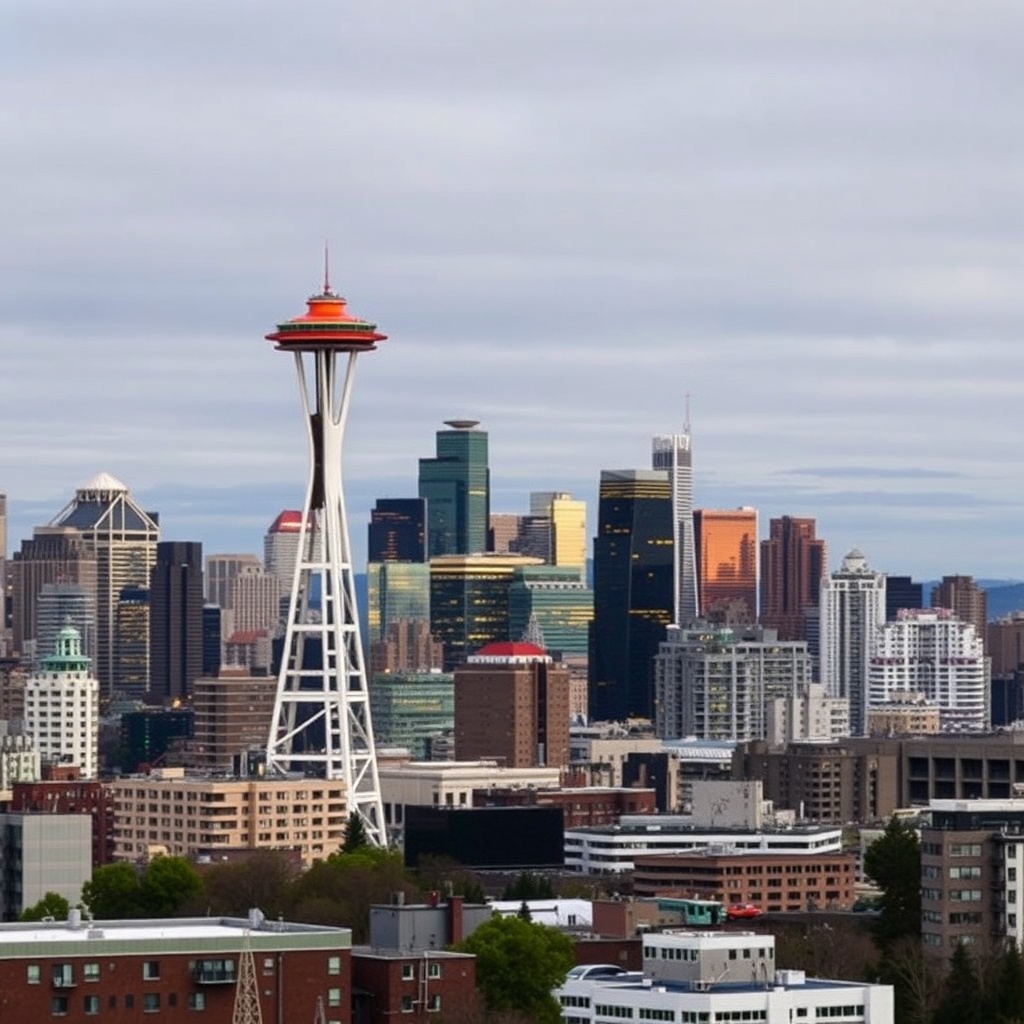
– Seattle Center: Home to iconic landmarks, performing arts venues, and museums. Nearby attractions showcase glass art, pop culture exhibits, and panoramic views from an elevated tower.
– Neighborhoods to explore: Capitol Hill for nightlife and indie culture; Ballard for maritime history, breweries, and a lively Sunday market; Fremont for quirky public art and vintage shops; the International District for authentic Asian cuisine and historic sites.
– Parks and viewpoints: Gas Works Park and Kerry Park are perfect for skyline photos. For more rugged trails and secluded beaches, head to Discovery Park or Green Lake for a relaxed outdoor loop.
Outdoor activities and nature
Seattle’s location between water, islands, and mountains makes it an excellent base for outdoor adventures. Urban hikes, waterfront bike routes, and kayak rentals are easy to arrange from the city.
Ferry rides to nearby islands not only connect neighborhoods but also deliver classic Pacific Northwest scenery—keep an eye out for orcas and sea birds. Weather can shift quickly, so layering and a light rain shell are essentials when spending a day outside.
Food, coffee, and nightlife
The city’s culinary scene blends seafood, farm-to-table produce, and international influences. Seafood stands out—look for sustainable options at many restaurants and markets. A strong craft beer and cider scene complements the city’s many neighborhood bars. Coffee culture remains central: independent cafes and specialty roasters are everywhere, each offering a different vibe and brew approach beyond the ubiquitous chains.
Getting around
Public transit combines light rail, buses, and ferries that link most points of interest. An all-access transit card simplifies travel across modes. Rideshares and bike-share programs fill the gaps; downtown and some residential neighborhoods are particularly bike-friendly thanks to protected lanes and trails. Parking can be limited and expensive in popular areas, so plan accordingly.
Practical tips
– Pack layers and a compact umbrella; the climate favors changeable conditions.
– Start popular attractions early or visit later in the afternoon to avoid peak crowds.
– Book specialty tours and dining reservations ahead when possible, especially for sought-after restaurants and outdoor excursions.
– Respect local neighborhoods by staying on marked trails in parks, supporting independent businesses, and following ferry etiquette.
Seattle mixes big-city amenities with easy access to wild landscapes, delivering a travel experience that’s both energetic and restorative.
Whether savoring a morning coffee, catching a sunset over the Sound, or discovering a hidden neighborhood gem, the city invites you to explore at your own pace.
Leave a Reply