Seattle mixes urban energy with abundant green space, a coastal vibe, and a food-and-coffee culture that keeps visitors coming back. Whether you’re planning a short trip or exploring neighborhoods like a local, here’s a practical guide to get the most from the city.
What to see and do
– Pike Place Market: Start early to beat crowds, watch fish tosses, browse local produce and artisan goods, and hunt for the original Starbucks storefront. Don’t miss the hidden market staircases and gum wall in nearby alleys for quirky photo ops.
– Waterfront & Olympic Sculpture Park: Walk the revitalized waterfront for views of Puget Sound and the Olympic Mountains. The sculpture park blends art with shoreline trails and is an easy, scenic stop.
– Seattle Center & the Needle: The Needle remains an iconic skyline marker; the surrounding Seattle Center hosts performing arts, outdoor concerts, and family-friendly attractions.
– Neighborhoods to explore: Capitol Hill for nightlife, coffee shops, and park spaces; Ballard for breweries, Nordic heritage, and the locks; Fremont for public art and vintage shops; Columbia City and Beacon Hill for diverse restaurants and cultural events.
– Outdoor access: Lake Union offers kayaking and paddleboarding with skyline vistas. A short ferry ride opens up island escapes and shoreline hikes. For dramatic mountain views, head to viewpoints around the city or take a short drive to nearby trailheads.
Eat, drink, and caffeine culture
Seattle’s seafood scene is a highlight—fresh salmon, Dungeness crab, oysters, and poke are widely available. Farmers markets deliver seasonal produce and prepared foods across neighborhoods.
The city’s craft-beer and cocktail bars are strong complements to coffee culture: expect indie espresso shops alongside specialty roasters and tastings.
Getting around
Public transit is practical for many visitors: Link light rail connects the core neighborhoods and airport with surface transit options and buses filling gaps. Ferries provide scenic travel across Puget Sound and to islands—bookings aren’t always required, but plan for peak travel times. For frequent trips, an ORCA card or local transit pass streamlines payment across systems. Rideshares and bike shares fill in where transit doesn’t reach; walkable neighborhoods often reward exploration on foot.
Weather and practical tips
Seattle’s climate features mild temperatures and frequent light drizzle—layers and a compact rain jacket are essential.
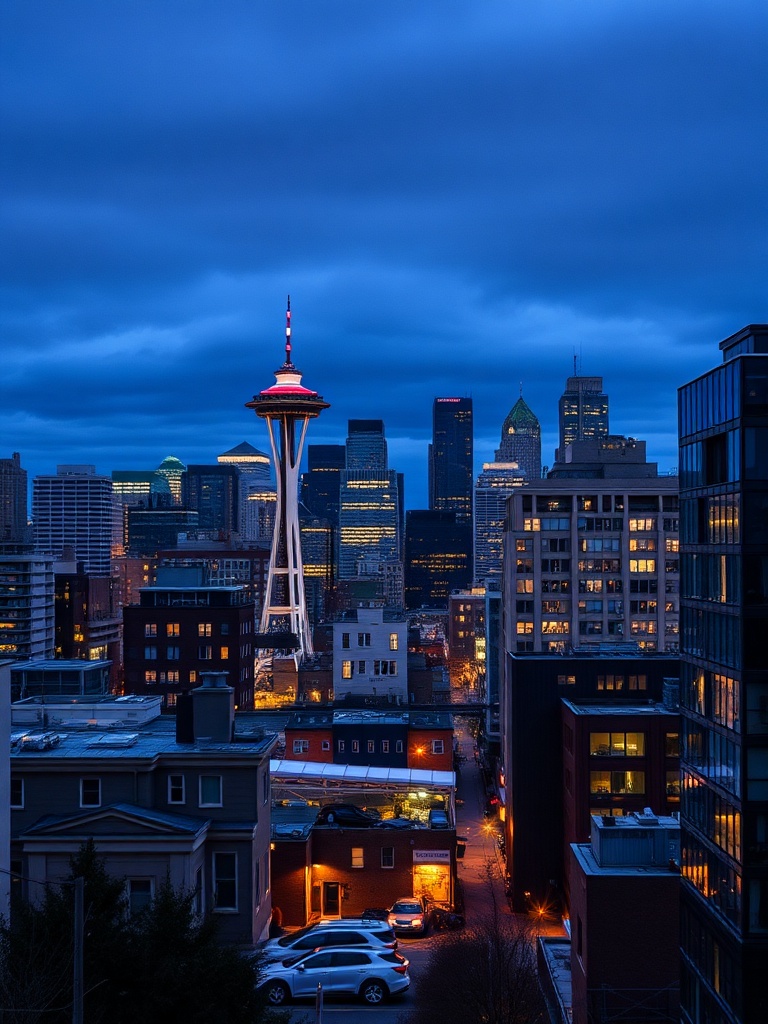
Microclimates mean it can be sunny in one neighborhood and misty in another, so check short-term forecasts before heading out. Many attractions are outdoors or have both indoor and outdoor elements, so plan for flexibility.
Culture, music, and creativity
The city’s music legacy and vibrant arts scene continue to thrive, with intimate live-music venues, museums, and rotating public art installations. Theater, dance, and indie film screenings offer year-round cultural programming, while creative neighborhoods produce regular pop-ups, markets, and community festivals.
Sustainable, local-first mindset
Sustainability is woven into daily life: farm-to-table dining, electric ferry and transit initiatives, and a strong emphasis on biking and green spaces.
Supporting independent shops, local markets, and eco-conscious tours helps maintain the city’s character.
Insider tips
– Visit popular tourist spots early in the morning or during weekday afternoons for smaller crowds.
– Combine a market visit with a waterfront walk and a ferry ride for a full-day loop.
– Look beyond the downtown core for unique cafes, vintage stores, and community events that show a deeper side of the city.
Seattle balances big-city amenities with outdoor access and neighborhood charm. Pack layers, follow a few local transit tips, and leave time to wander—some of the best discoveries happen between planned stops.
Leave a Reply