Seattle keeps attracting attention for a mix of dramatic landscapes, fast-moving urban change, and a culture that balances tech ambition with independent spirit. Whether you’re visiting for the first time or planning to plant roots, understanding what makes the city tick helps you make the most of its neighborhoods, transit, and outdoors.
Waterfront and neighborhoods: a new urban pulse
The downtown waterfront has been reshaped into a walkable, vibrant corridor with parks, restaurants, and improved access to Elliott Bay.
Pike Place Market remains the heart for food, crafts, and local character, but neighborhoods across the city—Capitol Hill, Ballard, Fremont, and South Lake Union—are each staking their own identity.
Capitol Hill keeps its arts-and-nightlife edge, Ballard blends maritime history with craft breweries and Nordic roots, and South Lake Union continues to be a hub for life sciences and tech employers while adding parks and pedestrian paths.
Getting around: transit and active options
Public transit is evolving quickly, with light rail and bus investments connecting more neighborhoods to downtown and the airport. For many trips, combining light rail with rideshares, bike share, or an e-scooter is efficient. Walking is part of the city’s appeal—mornings along the waterfront and afternoons in tree-lined residential streets make for easy exploration. For island escapes or waterfront views, the ferry system remains an essential, scenic transport option.
Coffee, food, and local business
Seattle’s coffee culture extends beyond its global brands. Independent roasters, neighborhood cafes, and experimental espresso bars remain central to daily life. Food-wise, the city blends seafood-forward menus with global flavors, farm-to-table restaurants, and thriving food halls. Farmers markets and small-batch producers offer seasonal variety and are a great way to connect with local food culture.
Outdoors and recreation
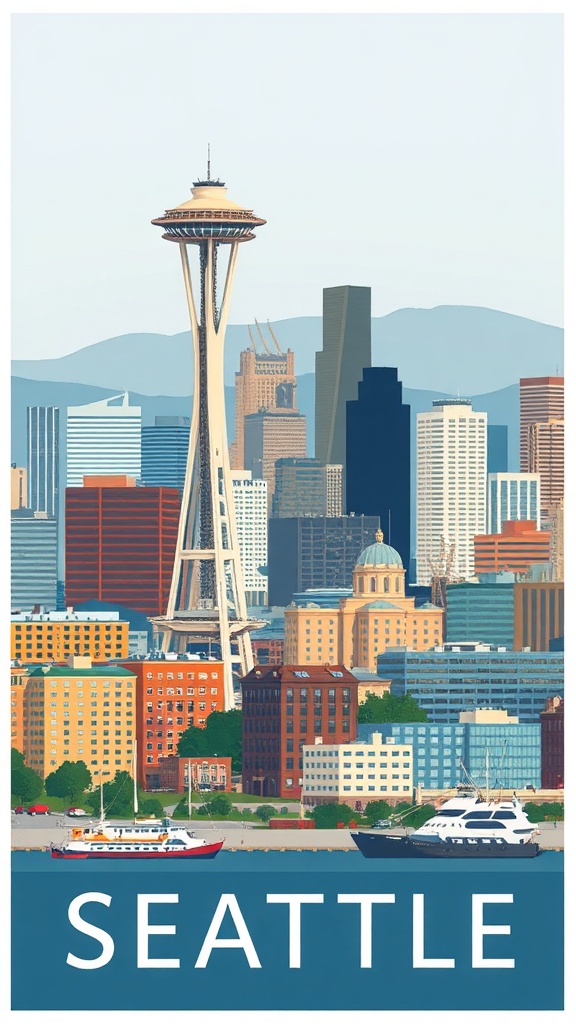
Seattle’s proximity to mountains, water, and forests invites a lifestyle built on outdoor recreation.
Trails in nearby ranges and parks offer everything from family-friendly walks to steep alpine hikes. Kayaking and paddleboarding on local waterways provide urban adventure, and island cruises or whale-watching trips are accessible weekend options. Even within the city, green spaces and waterfront paths encourage daily activity.
Sustainability and innovation
Sustainability is woven into city planning and business strategy. Investments in green buildings, electrified vehicle fleets, and renewable energy projects reflect a focus on reducing emissions while maintaining growth.
The city is also a magnet for innovation in biotech, clean energy, and digital services—creating a diversified economy that extends beyond headline tech employers.
Housing and quality of life
Housing affordability and equitable growth remain active conversations.
New housing projects and transit-oriented development aim to increase density near transit hubs, while community organizations push for more inclusive policies.
For many residents, quality of life is still measured by neighborhood character, access to nature, and local amenities.
Tips for newcomers and visitors
– Use transit apps and bike routes to plan efficient trips across neighborhoods.
– Explore beyond downtown—small businesses in side streets often offer the most memorable experiences.
– Pack for variable weather; layering is practical for changing conditions.
– Book popular attractions or ferry rides in advance when possible.
Seattle is a city of contrasts: urban energy and natural calm coexist, and the cultural scene stays dynamic even as the skyline changes. Whether you’re drawn to coffee, hiking, tech, or the waterfront, the city offers a rich mix of experiences that reward curiosity and local exploration.
Leave a Reply