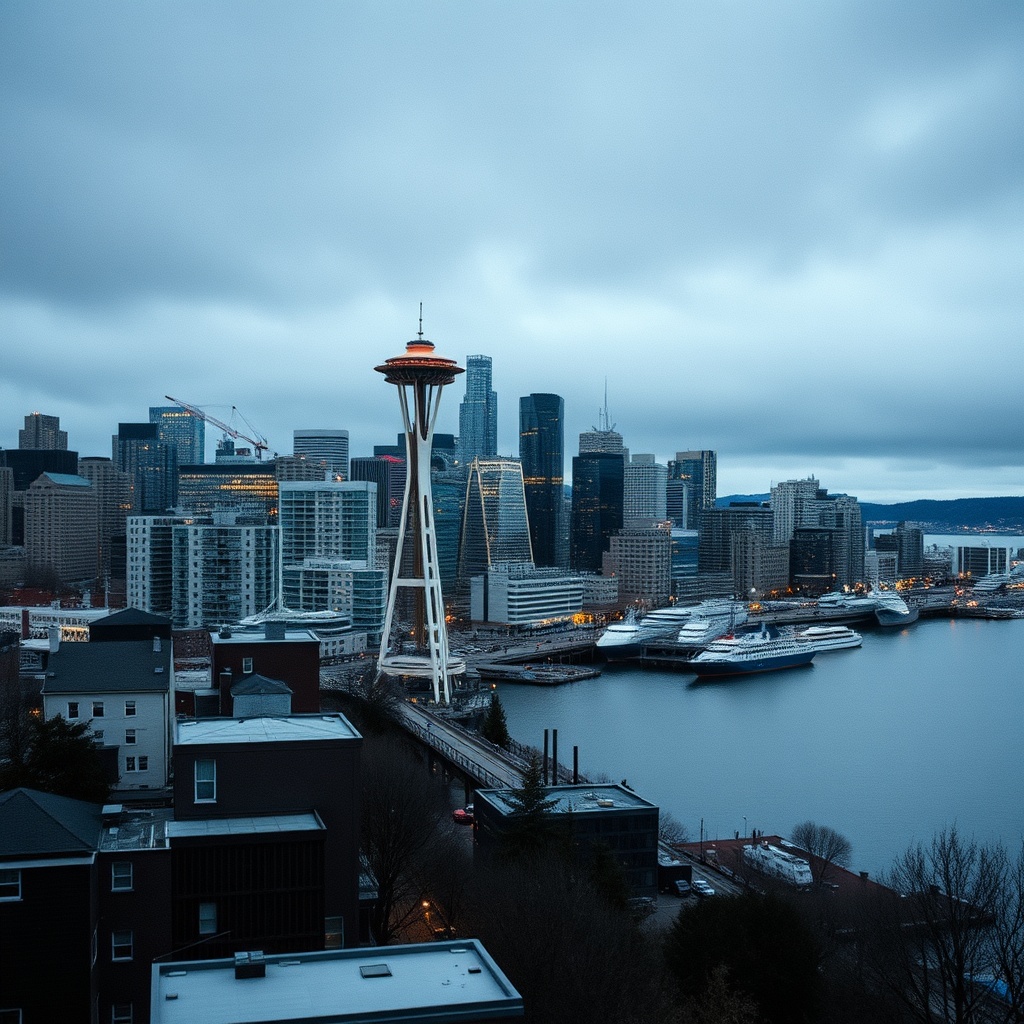
Seattle’s evolving cityscape blends iconic attractions, thriving neighborhoods, and a strong push toward sustainable urban living. Whether you’re drawn by world-class coffee, waterfront views, or a growing active-transportation culture, Seattle offers a compact mix of urban energy and easy access to nature.
Waterfront and public space
A major focus for the city has been transforming the waterfront into a people-first destination.
New promenades, parks, and pedestrian-friendly connections have replaced vehicle-dominated corridors, creating continuous views of Elliott Bay and improved access to ferry terminals.
Strolling from the piers to the Olympic Sculpture Park or riding the revamped waterfront carousel captures the city’s effort to balance tourism with local quality of life.
Transit and mobility
Seattle’s public transit network continues to expand, making it easier to skip car trips for everyday errands and sightseeing. Light rail lines extend service into more neighborhoods, while bus rapid transit and improved bike infrastructure help reduce congestion and support healthier commutes. Seattle’s bike lanes and protected paths now link many commercial corridors to parks and waterfront trails, encouraging more cycling and walking.
Coffee, food, and neighborhood culture
Coffee remains central to Seattle’s identity, but the coffee scene keeps evolving with specialty roasters, neighborhood cafes, and a renewed focus on sustainable sourcing. Beyond espresso, the city’s dining landscape features globally inspired flavors and a robust local-food movement. Neighborhoods like Capitol Hill, Ballard, and Fremont each showcase distinct vibes—late-night music scenes, craft breweries, and farmer’s markets where local producers sell seasonal goods.
Pike Place Market and independent retail
Pike Place Market continues to anchor downtown life, but the surrounding retail landscape has adapted to new consumer behaviors.
The market still offers fresh seafood, artisan goods, and street performances, while nearby independent shops and small galleries provide a contrast to larger retail chains. Visitors are encouraged to explore side streets and alleyways for hidden cafes, vintage stores, and local art.
Outdoor access and parks
One of Seattle’s greatest strengths is proximity to nature. Urban parks, greenbelts, and the extensive network of trails in and around the city make it easy to find outdoor recreation without lengthy travel.
Kayaking, paddleboarding, and ferry rides provide water-based escapes, while nearby mountains and forests offer quick access to hiking and skiing for those seeking alpine adventures.
Sustainability and development
Seattle’s building and planning policies increasingly prioritize sustainability. New developments frequently include green roofs, stormwater management, and energy-efficient design. The city has committed to improving walkability and reducing greenhouse gas emissions through transit investments and incentives for low-impact development, attracting residents who value climate-conscious living.
Tips for visitors and locals
– Plan transit-friendly routes: use light rail or water taxis to avoid downtown parking hassles.
– Explore neighborhoods on foot to discover coffee shops, murals, and boutique stores.
– Visit the waterfront early or later in the day to enjoy quieter views and better light for photos.
– Look for farmers’ markets to sample seasonal produce and support local vendors.
– Bring layers—Seattle’s maritime climate often means changing conditions throughout the day.
Seattle remains a dynamic blend of urban innovation and outdoor accessibility. New public spaces, evolving transit options, and a resilient cultural scene make it a city worth exploring whether you’re passing through or calling it home.
Leave a Reply