Portland’s urban forest and green infrastructure are central to the city’s resilience, livability, and identity. As neighborhoods densify and summers become warmer and drier, trees, rain gardens, and permeable streets do more than beautify — they reduce heat, manage stormwater, improve air quality, and support biodiversity along the Willamette and its tributaries.
Why the urban forest matters
Trees provide shade that cools sidewalks and homes, lowering energy use and easing heat impacts during hot spells. Roots stabilize soil, reducing erosion along creek corridors and helping absorb heavy rains that would otherwise overwhelm storm drains. Canopy cover supports pollinators and birds, creating urban wildlife corridors that connect parks and private yards. For Portland, where public spaces and waterways are cherished, maintaining a healthy urban forest is an investment in public health and property resilience.
Challenges to address
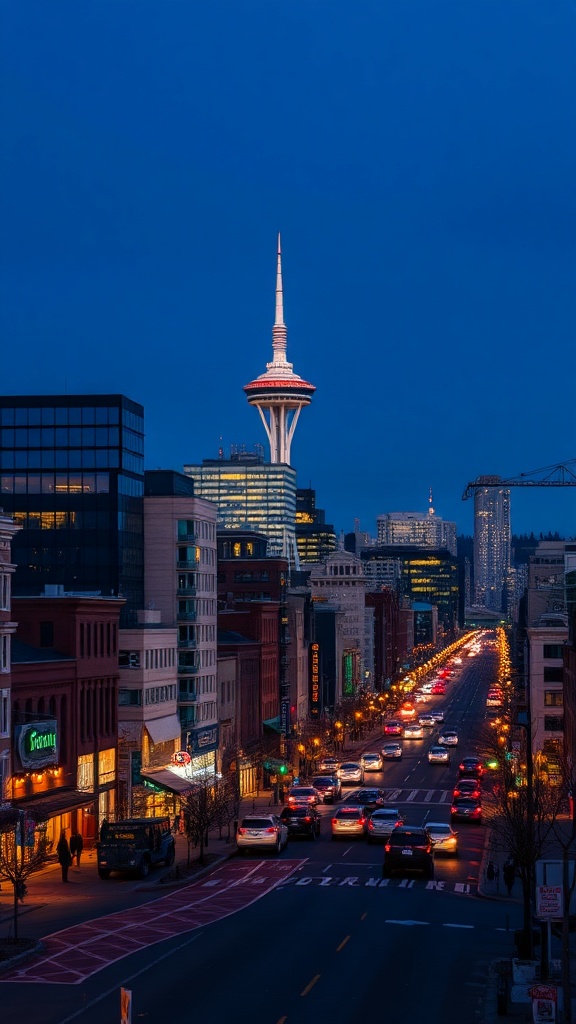
Urban trees face several pressures: infill development that replaces green space, soil compaction and limited rooting volume, pests and diseases, and changing precipitation patterns that mean wetter winters and drier summers. Aging street trees require proactive pruning and replacement, while younger trees need dedicated watering and protection to reach maturity. Inequitable canopy distribution can leave some neighborhoods hotter and more flood-prone than others.
Practical solutions and city strategies
Portland’s landscape shows a mix of public projects and grassroots action:
– Green infrastructure: Bioswales, rain gardens, and permeable pavement intercept stormwater at the source, filtering runoff and reducing sewer overflows. “Green street” concepts integrate these features into sidewalks and medians, turning infrastructure into small nature zones.
– Tree planting and maintenance: Strategic planting in parks, along streets, and in private yards increases canopy in underserved areas. Proper species selection — emphasizing native and drought-tolerant trees — improves survival rates and supports local ecosystems.
– Riparian restoration: Restoring creek and riverbanks with native shrubs and trees protects water quality, provides wildlife habitat, and buffers against erosion during heavy flows.
How residents can help
Neighborhood-level action makes a big difference. Homeowners and renters can:
– Prioritize native and climate-resilient species that match the site’s sun, soil, and moisture conditions.
– Protect young trees with stakes and guards, and set up seasonal deep watering to build root systems through dry periods.
– Replace impermeable surfaces with gravel, permeable pavers, or rain gardens to reduce runoff and recharge soil moisture.
– Volunteer with local tree-planting days, adopt-a-street programs, or watershed councils that restore creeks and maintain green features.
– Engage with neighborhood associations and city programs to advocate for equitable canopy investments and maintenance budgets.
Permits and planning
When planning to plant or prune street trees, check local regulations and permitting requirements. Many cities manage street trees through a parks or urban forestry bureau, and removing or planting in the right-of-way often requires approval.
Working with local organizations can streamline projects and connect residents to free or low-cost resources.
The collective payoff
Investing in Portland’s urban forest and green infrastructure delivers long-term benefits: lower urban temperatures, healthier waterways, stronger neighborhoods, and a more resilient cityscape.
Small, informed actions by residents, combined with coordinated public projects, help ensure that trees and green spaces continue to thrive and provide essential services across the city.
Leave a Reply