Portland’s evolving urban fabric: where green infrastructure, food carts, and bike lanes meet
Portland has long been known for a blend of independent culture, strong environmental values, and vibrant neighborhoods. That mix is visible across the city’s streets, parks, and riverfront — and it continues to evolve as residents and planners focus on walkability, sustainable transport, and community-driven spaces.
Mobility that favors people
One of Portland’s most notable traits is its commitment to mobility options that prioritize people over cars. A dense network of protected bike lanes, neighborhood greenways, and a reliable light rail system make it practical to navigate without a car. E-scooters and bike-share programs complement existing infrastructure, offering short-trip flexibility while encouraging lower-emission travel. For visitors, downtown and inner neighborhoods are often faster to explore by bike or public transit than by driving.
Food carts and neighborhood entrepreneurship
The city’s food cart pods are a powerful example of small-scale entrepreneurship and culinary diversity. These curated clusters offer everything from Ethiopian stews to Korean tacos, often serving as launchpads for full-service restaurants. Many neighborhoods host a distinct pod culture: try the creative carts near the Alberta Arts District for late-night bites or find international flavors along inner Southeast corridors. Food carts offer an affordable way to taste local innovation and support independent vendors.
Parks, river access, and outdoor life
Access to green space is central to Portland life.
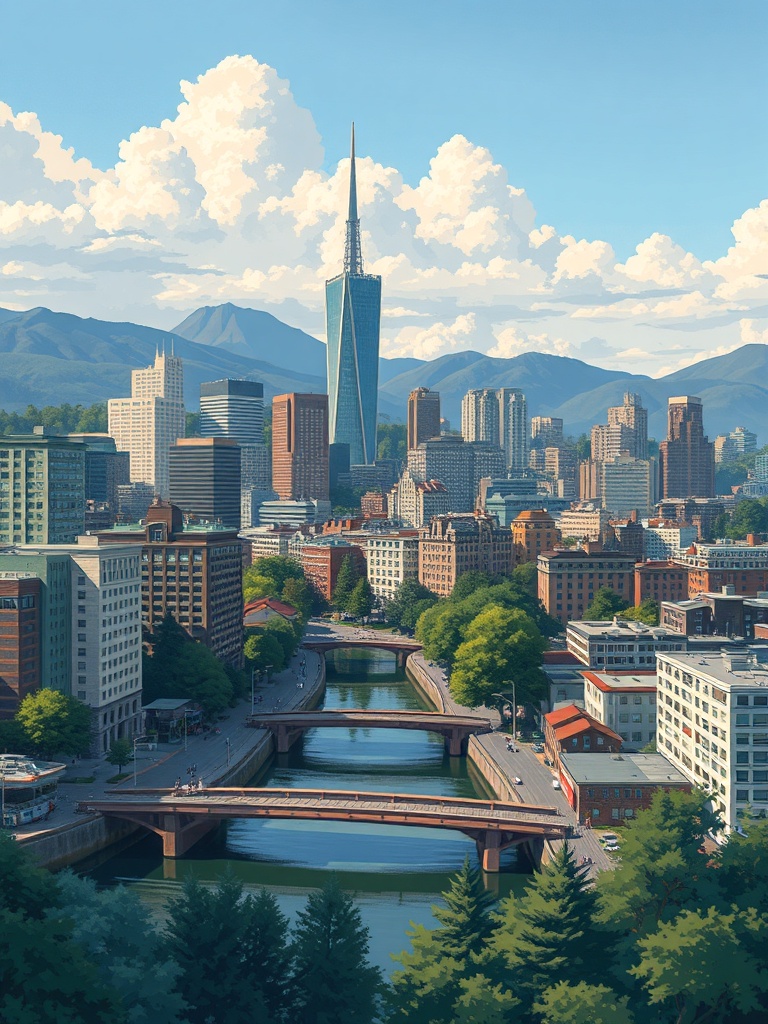
Forest Park provides miles of urban trails for hikers and runners, while Washington Park combines attractions like a conservatory, Japanese garden, and family-friendly picnic areas. The Willamette Riverfront has seen upgrades that improve access for walkers and cyclists, tying together neighborhoods with scenic paths and viewpoints. For many residents, weekend routines blend coffee shops with quick riverfront strolls or forested trail time.
A focus on sustainability and resilience
Sustainability is baked into many local initiatives. Stormwater management, tree canopy restoration, and efforts to increase affordable, energy-efficient housing reflect an ongoing push toward resilience. Community groups often play a leading role in neighborhood improvements, from pocket parks to local markets that strengthen social ties and economic resilience.
Arts, independent retail, and cultural institutions
Portland’s cultural landscape thrives on independent bookstores, galleries, and performance venues. Powell’s City of Books remains a magnetic destination for readers, while neighborhood galleries and music venues host a steady stream of local talent. Creative streets like those in the Pearl District and Mississippi Avenue combine boutique retail with cafes and public art, offering easy walks full of discovery.
Practical tips for visitors and new residents
– Use transit apps and bike maps to plan efficient routes; parking can be scarce in popular neighborhoods.
– Explore food cart pods for budget-friendly, high-quality meals and a chance to support local entrepreneurs.
– Pack layers and comfortable shoes — the city’s weather and walkable streets reward flexible clothing choices.
– Check neighborhood calendars for markets, live music, and pop-ups that reveal local culture beyond standard tourist stops.
Portland remains appealing for people who value accessible outdoor recreation, independent businesses, and urban planning that leans toward sustainability. Whether you’re exploring riverfront paths, sampling a rotating food cart lineup, or biking between neighborhoods, the city offers a layered, evolving experience shaped by community priorities and a strong sense of place.
Leave a Reply