Portland’s evolving urban personality blends lush natural spaces, a world-class food scene, and a commitment to sustainable mobility—making it a magnetic destination for residents and visitors seeking a lively, walkable city experience.
Green City, Active Culture
Portland’s reputation for parks and urban greenery is well-earned. The riverfront and neighborhoods are threaded with bike lanes, pocket parks, and large green spaces that invite year-round outdoor activity. The Japanese Garden and Forest Park remain standout escapes for quiet walks, while riverfront trails encourage running, cycling, and paddle sports on the Willamette. Weather in the Pacific Northwest can be changeable; layering and water-resistant gear keep outings comfortable.
Neighborhoods to Explore
Each neighborhood offers a distinct personality.
The Pearl District is a model of waterfront revitalization—converted warehouses now house galleries, boutiques, and craft coffee shops. North and Southeast Portland neighborhoods are creative hubs, where murals, independent bookstores, and music venues coexist with renowned restaurants and food carts.
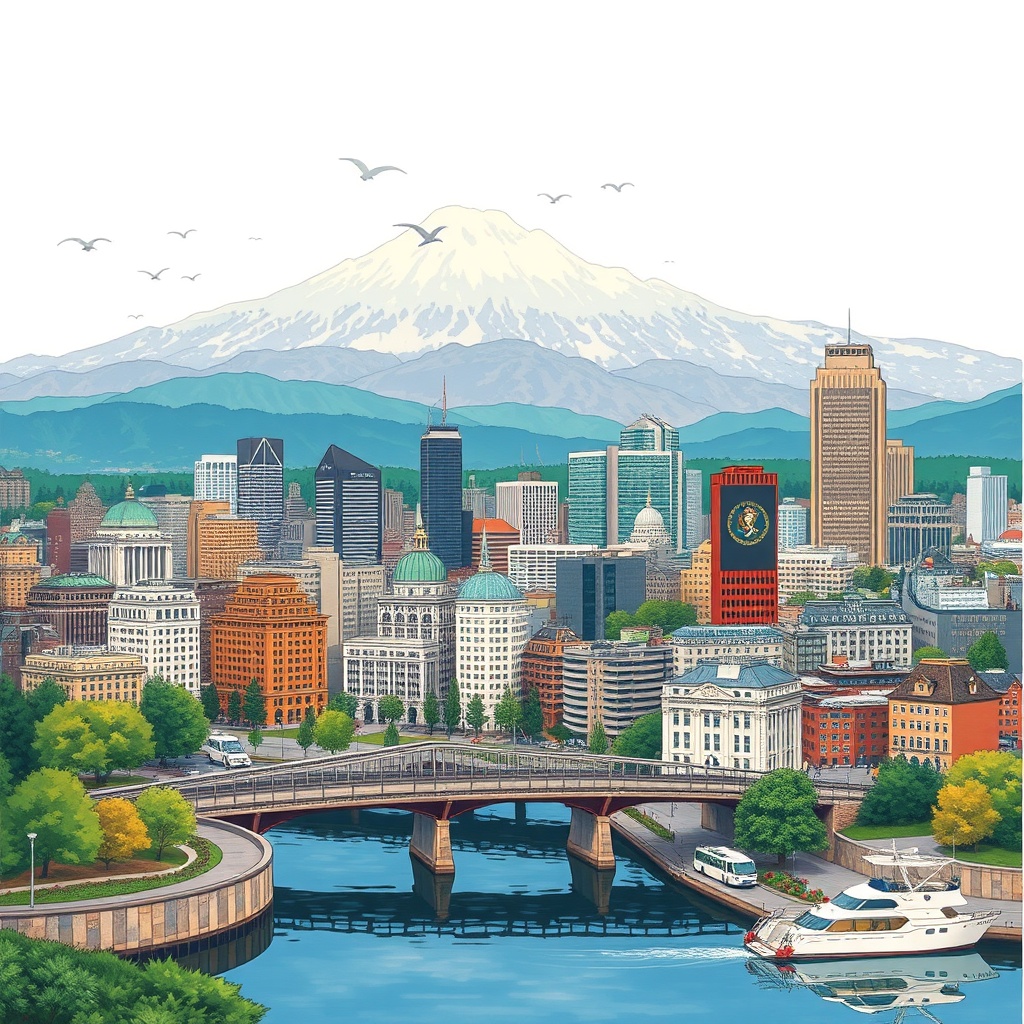
For independent retailers and a community vibe, strolling local streets reveals artisanal businesses and weekend markets.
Food, Coffee, and Food Carts
Portland’s culinary scene ranges from inventive tasting menus to beloved food cart pods that deliver international flavors with casual charm. Coffee culture is a cornerstone—third-wave roasters and neighborhood cafés emphasize brewing technique and single-origin beans. Farmers markets and small-batch producers support a farm-to-table ethic that shows up across brunch menus, bakeries, and neighborhood eateries.
Breweries and Nightlife
The craft beer scene is a major draw, with breweries ranging from small taprooms to larger production houses. Many neighborhoods host tasting rooms where you can sample experimental brews alongside classic styles. Nightlife is eclectic: intimate music venues, rooftop bars, and late-night eateries create a friendly evening scene without the high-energy intensity of larger cities.
Getting Around Sustainably
Portland’s transit network includes light rail, streetcar lines, and an extensive bus system that make many parts of the city easily accessible without a car. Bike-share and e-scooters are widely used for short trips, and many streets prioritize protected bike lanes. For visitors, mixing public transit with walking or cycling is often the most efficient way to experience multiple neighborhoods in a day.
Arts, Culture, and Independent Spirit
Independent bookstores, art galleries, and theaters maintain a strong presence. Community-focused events, pop-up markets, and neighborhood festivals frequently showcase local artists and makers. This creative ecosystem supports emerging talent and gives the city a distinct cultural texture.
Practical Tips
– Pack layers and a compact rain jacket for variable weather.
– Use transit apps to navigate light rail and buses; bike maps help identify protected routes.
– Reserve tables for popular restaurants and tasting rooms during peak times.
– Explore beyond downtown to discover local favorites and quieter green spaces.
Portland’s combination of accessible green space, innovative food culture, and focus on sustainable transportation creates a city that feels both lively and livable.
Whether seeking culinary discovery, outdoor adventure, or a neighborhood to call home, the city offers abundant options for curiosity and comfort.
Leave a Reply