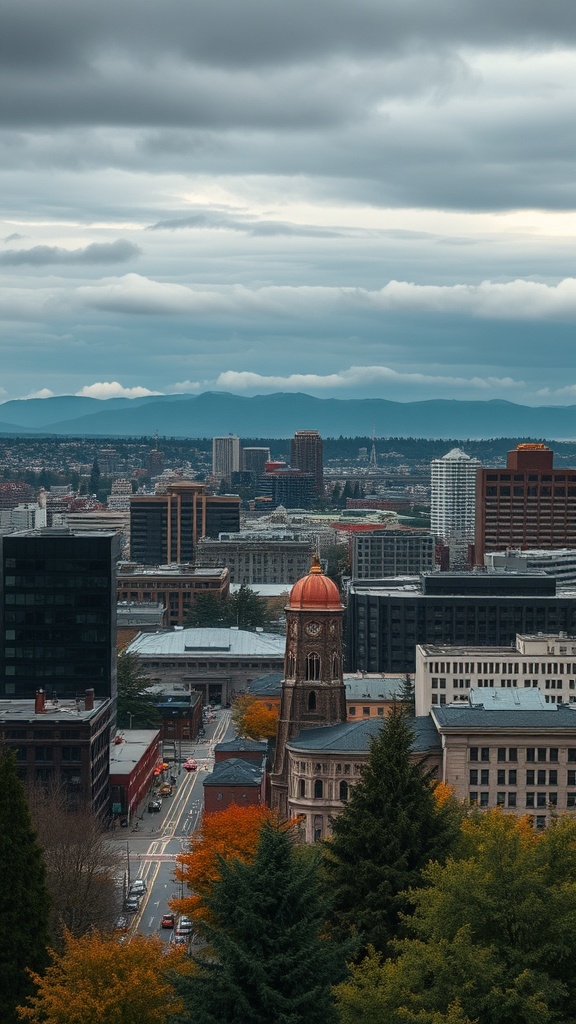
Portland’s blend of urban creativity and outdoor access keeps the city compelling for residents and visitors alike.
Whether you’re drawn to coffee and craft beer, neighborhood strolls, or riverside greenways, Portland offers a wide range of experiences that reflect a city balancing growth, culture, and nature.
A city built for getting outside
Portland’s parks and trails are integral to everyday life.
Massive forested tracts like the city’s urban forest network provide miles of hiking close to neighborhoods, while waterfront paths along the Willamette River invite running, cycling, and leisurely walks. The Japanese Garden and nearby rose gardens are tranquil pockets for quiet reflection, contrasted by busy weekend activity at expansive parks that host community events and outdoor markets.
Neighborhood culture and food innovation
Neighborhoods retain distinct personalities — from the creative storefronts of Alberta and Mississippi to the polished redevelopment of the Pearl District and the bohemian vibe of Hawthorne.
One of Portland’s signature features is the food cart scene: compact, often permanent pods where diverse cuisines converge, making it easy to try many flavors on a single outing.
Farm-to-table restaurants, experimental bakeries, and small-batch coffee roasters complement those casual options, supporting a local food economy that values seasonality and craft.
Coffee, breweries, and the small-batch ethos
Coffee culture here goes beyond a quick caffeine fix.
Independent roasters and neighborhood cafes focus on single-origin beans, careful brewing, and community atmosphere. Likewise, the craft beer scene remains vibrant; neighborhood taprooms and brewpubs showcase regional hops and inventive brewing techniques, often paired with casual food and outdoor seating.
Mobility and active transport
Portland’s transportation picture emphasizes alternatives to driving. Bike lanes and neighborhood greenways make cycling a practical choice for commuting and errands, and public transit options — including light rail and frequent bus corridors — connect core neighborhoods and nearby suburbs.
Shared mobility options like e-scooters and bike-share programs add flexibility for short trips. Walkable commercial strips and compact neighborhoods reward slower, human-scale exploration.
Sustainability and resilient planning
Sustainability is a recurring theme in city planning.
From urban canopy initiatives to efforts that reduce car dependence, community and city programs aim to enhance resilience and livability. Green infrastructure projects, community gardens, and support for local agriculture reflect a widespread interest in reducing environmental impact while improving neighborhood quality of life.
Community challenges and civic engagement
Like many growing metropolitan areas, Portland faces challenges around housing affordability and access to services. Those issues have prompted a robust network of nonprofits, advocacy groups, and neighborhood coalitions working on solutions. Civic engagement remains strong: neighborhood associations, volunteer trail stewards, and local arts organizations all contribute to shaping how the city evolves.
Tips for visitors and newcomers
– Explore by neighborhood: allocate time to wander a few distinct districts rather than rushing through downtown.
– Pack for changeable weather: layers make outdoor exploration comfortable year-round.
– Try multiple food cart pods to sample a variety of local flavors in an affordable way.
– Use transit or a bike for short trips—downtown parking can be limited and costly.
– Check event calendars for markets, live music, and neighborhood festivals that showcase local makers and performers.
Portland’s appeal comes from the interplay of creative urban life and ready access to green space. That balance continues to attract people who value neighborhood character, culinary discovery, and outdoor opportunity, all within a city that prizes local initiatives and community-driven solutions.
Leave a Reply