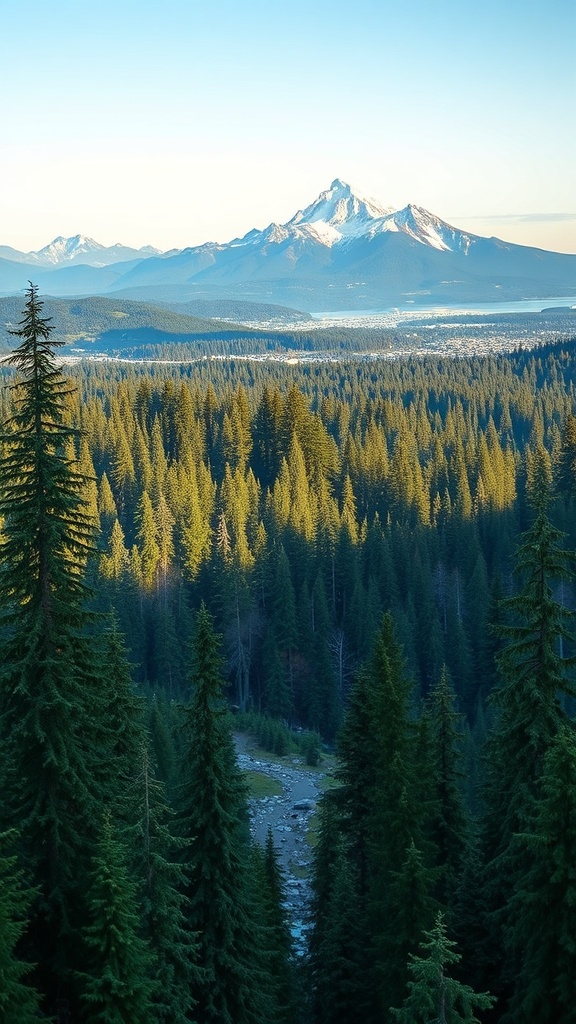
The Pacific Northwest captivates with a rare mix of rugged coastline, temperate rainforests, volcanic peaks and vibrant urban scenes. From mist-shrouded beaches to coffee shops with long lines, this region blends outdoor adventure, strong local culture, and a growing focus on sustainability — making it a top choice for travelers and residents who value nature and innovation.
Why the Pacific Northwest feels different
A defining feature is the region’s microclimates. Coastal fog, inland rain shadows, alpine snowfall and arid eastern basins can all occur within a few hours’ drive. That diversity supports abundant wildlife — including iconic salmon runs and old-growth forests — and fuels seasonal outdoor recreation that ranges from tidepooling to backcountry skiing.
Outdoor experiences that stand out
Hiking is a cornerstone of local life. Popular trails vary from easy coastal walks to challenging ridge routes in the Cascades and Olympics. Water lovers gravitate to kayaking in protected inlets, windsurfing on wide-open lakes, and tidepool exploration along rocky shores.
For a quieter experience, seek out lesser-known state parks or Indigenous-led nature tours that emphasize ecological context and cultural history.
Cities with character and modern edge
Urban centers blend creative economies with tech growth and a strong independent-business culture. Farmers’ markets showcase a year-round bounty of produce and seafood. Neighborhoods prioritize walkability, bike infrastructure and local eateries.
Expect craft coffee, breweries, and farm-to-table restaurants to be central to the city vibe, along with thriving arts scenes and nonprofit conservation groups that shape local policy.
Food, drink and coastal abundance
Seafood is a highlight: shellfish, wild salmon, and Dungeness crab appear on menus across the region. Sustainable harvesting and aquaculture projects are increasingly prominent, reflecting consumer demand for traceability and conservation-minded sourcing. Beyond seafood, the Pacific Northwest is a leader in craft brewing, specialty coffee and wineries that produce distinctive cool-climate wines.
Conservation, climate impacts and community responses
Wildfire smoke, shifts in snowpack and changing ocean conditions are realities that communities are addressing through resilient planning and restoration efforts. Local organizations work on salmon habitat restoration, forest health projects and shoreline resilience to protect both ecosystems and livelihoods. Indigenous stewardship plays a central role in many conservation initiatives, offering long-term perspectives on land and water management.
Practical tips for visiting or relocating
– Pack layers: weather can shift quickly, so breathable waterproof layers are essential.
– Check trail and marine conditions before heading out; tides and weather matter.
– Respect wildlife and cultural sites; follow Leave No Trace and local signage.
– Support local businesses and Indigenous-led experiences to ensure benefits stay in the community.
– Be flexible: peak conditions vary by microclimate and season, so adjust plans accordingly.
Getting involved locally
There are many ways to connect beyond sightseeing: volunteer for habitat restoration, join citizen science projects tracking salmon or migrating birds, or attend talks by local conservation organizations.
These activities deepen appreciation for the land and contribute to long-term stewardship.
Whether you’re chasing alpine views, savoring a fresh-caught meal, or exploring craft culture in a coastal city, the Pacific Northwest rewards curiosity and care. Experiencing it with respect for its ecosystems and communities ensures the region remains vibrant for those who live there and those who come to see it.
Leave a Reply