The Pacific Northwest remains a magnet for people who love dramatic landscapes, craft culture, and forward-thinking cities. From moss-draped temperate rainforests to jagged coastal shorelines and bustling waterfront metropolises, the region blends outdoor adventure with a commitment to sustainability and local economies.
Wild places and outdoor culture
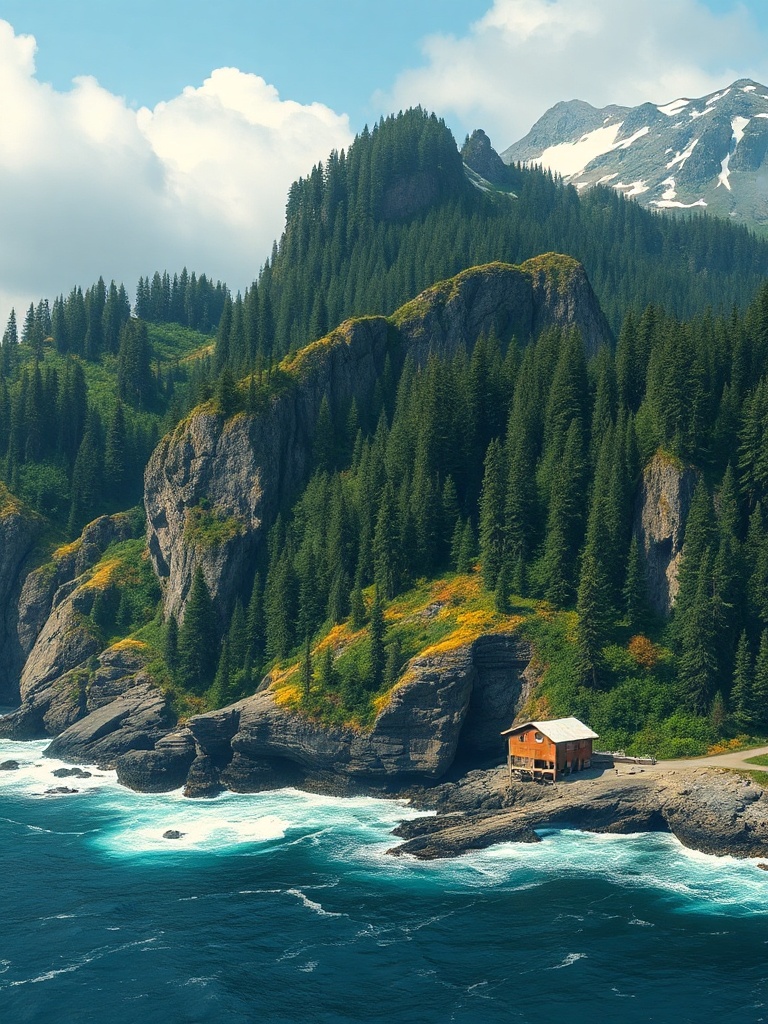
Temperate rainforests, alpine ridgelines, and deep river canyons define the region’s outdoor appeal. Hiking networks weave through old-growth stands on the Olympic Peninsula and along the flanks of the Cascade Range, while the Columbia River Gorge offers world-class windsurfing, waterfall viewing, and scenic drives. Coastal tidepools and estuaries support thriving intertidal life, and whale watching opportunities in protected sound and strait waters draw wildlife enthusiasts. Backcountry access is abundant, but familiar hazards—fast-changing weather, river crossings, and steep terrain—reward careful planning and basic wilderness skills.
Conservation priorities and resilience
Conservation remains central to the area’s identity. Salmon recovery, orca protection, and forest restoration are top priorities for tribes, nonprofits, and public agencies working together.
Restoring river flows, removing fish passage barriers, and protecting estuarine habitat all support migratory species that are crucial to ecosystem health and cultural traditions. Urban areas emphasize green infrastructure—coastal wetlands and riparian buffers, stormwater management, and native plant landscaping—to reduce flood risk and improve water quality as climate-related shifts affect precipitation and sea levels. Community-led wildfire mitigation, responsible forestry practices, and habitat connectivity projects are shaping resilience at the landscape scale.
Cities, culture, and the green economy
Urban centers in the region blend creative neighborhoods, strong local food systems, and an expanding clean-tech and outdoor-recreation economy. Farmers markets, independent coffee roasters, craft breweries, and farm-to-table restaurants anchor neighborhood life. Transit investments, expanding bike networks, and ferry systems reflect a regional push toward low-carbon mobility. Technology and research institutions partner with government and industry on renewable energy, forest carbon projects, and sustainable fisheries, fueling job growth that emphasizes environmental stewardship as much as innovation.
How to visit and support local communities
– Pack light and gear smart: Weather is famously variable—layered clothing and waterproof gear extend comfort on trails and city walks.
– Travel with minimal impact: Choose transit, carpooling, or ferries for popular corridors; use refillable water containers and avoid single-use plastics.
– Respect wildlife and cultural sites: Observe at a distance, follow posted guidelines for protected areas, and honor tribal lands and local stewardship rules.
– Spend locally: Support independent outfitters, guide services that practice low-impact recreation, and restaurants sourcing local ingredients.
– Get involved: Volunteer for habitat restoration days, beach cleanups, or community-led trail maintenance to give back while learning more about place-based conservation.
Visitors and residents alike find the Pacific Northwest’s balance of wild spaces and urban innovation compelling. Whether exploring a mossy forest, paddling a quiet fjord, or supporting local restoration projects, there’s always an opportunity to experience the region’s landscapes thoughtfully—and to help keep them healthy for generations to come.
Leave a Reply