Why the Pacific Northwest Continues to Captivate—and How to Enjoy It Responsibly
The Pacific Northwest combines dramatic coastlines, temperate rainforests, volcanic peaks, and vibrant urban culture in a way few regions can match. From misty shorelines to alpine ridgelines and innovative cities, this landscape offers a mix of outdoor adventure, local food scenes, and forward-thinking sustainability.
Here’s what makes the region special and how to experience it with respect for the environment and communities that depend on it.
Landscape and outdoor opportunities
The region’s varied terrain creates endless options for recreation.
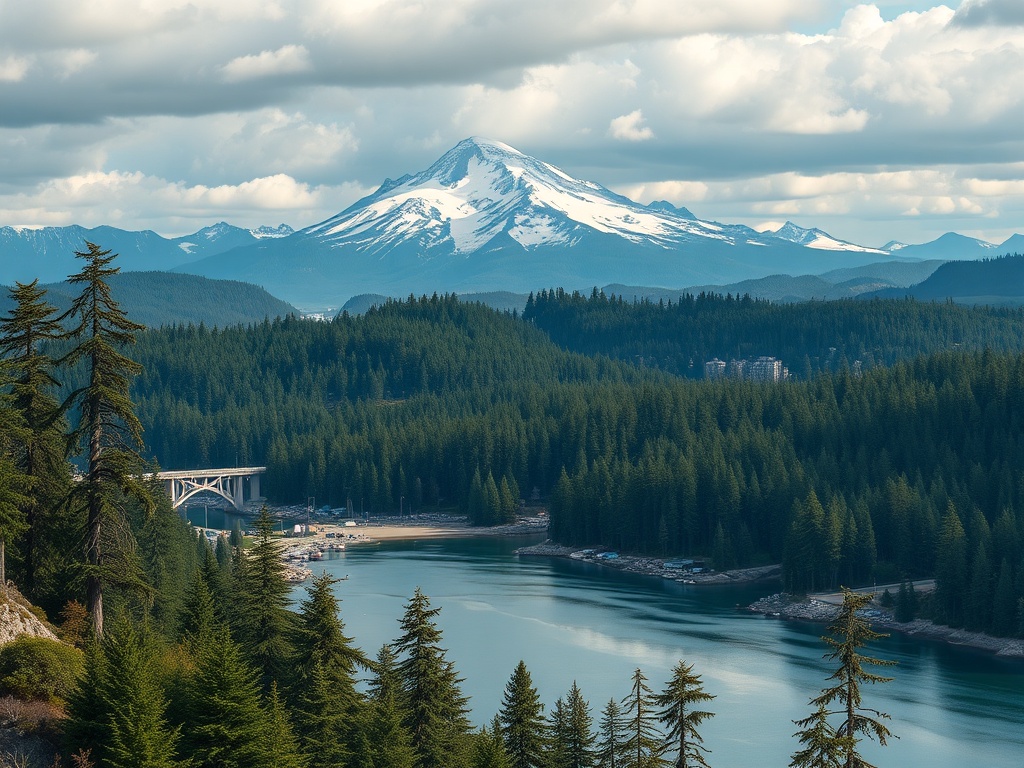
Hikers find everything from short coastal walks to multi-day treks along mountain ridgelines. Trail systems in the Cascades and coastal ranges reward hikers with waterfalls, wildflower meadows, glaciers, and panoramic views. Rivers and estuaries attract paddlers and anglers, while the coastline is ideal for tidepooling, beachcombing, and storm-watching.
Wildlife watchers can encounter salmon runs, seabird colonies, elk herds, and the unique ecosystems of old-growth forests. Popular backcountry routes provide solitude, but less-traveled state and provincial parks often deliver equally memorable experiences for those who want to avoid crowds.
Conservation challenges and community responses
The region faces mounting environmental pressures: shifting precipitation patterns, warmer temperatures, more frequent and intense wildfires, and impacts on marine ecosystems. Salmon populations and estuarine habitats are focal points for restoration efforts, while forest managers and indigenous communities work on landscape-scale stewardship strategies that combine traditional knowledge with modern science.
Urban areas are also adapting. Cities across the region prioritize electrified transit, cycling infrastructure, and green building practices. Ferry networks, light rail expansions, and bike-share programs improve mobility while reducing reliance on single-occupancy cars.
Sea-to-table and local culture
Food culture is rooted in place. Seafood—particularly salmon, shellfish, and sustainably harvested local fish—anchors many menus. Farmers’ markets showcase seasonal produce and artisanal goods, while independent coffee roasters and craft breweries reflect a long-standing local obsession with quality and innovation.
Responsible travel and recreation tips
– Check conditions and permits: Many popular trails and backcountry zones require permits or have seasonal restrictions. Park websites and local ranger stations provide up-to-date information.
– Practice Leave No Trace: Pack out what you pack in, stay on designated trails, and avoid disturbing wildlife or sensitive habitats.
– Prepare for variable weather: Layers, waterproof gear, and traction for muddy or icy trails are essential.
Conditions can change quickly, even on short outings.
– Support local stewardship: Choose guides, outfitters, and eateries that prioritize sustainable practices and fair treatment of workers. Consider volunteering with habitat restoration or trail maintenance groups.
– Respect indigenous lands and cultures: Many important sites are on ancestral territories. Learn about local First Nations and tribal protocols, and seek out opportunities to support indigenous-led tourism and conservation.
Getting there and getting around
Regional airports and efficient ferry systems connect coastal communities, while well-maintained highways link cities and trailheads. Urban transit options often rival those in larger metros, making it easy to pair city culture with nearby wilderness escapes.
The enduring appeal
What keeps people coming back is the balance between wild places and communities that value outdoor life, craftsmanship, and environmental responsibility.
With thoughtful planning and a conservation mindset, visitors and residents alike can continue to enjoy the Pacific Northwest’s landscapes while helping protect them for future generations.
Leave a Reply