The Pacific Northwest blends dramatic landscapes, vibrant cities, and deep cultural roots into a region that rewards exploration while asking for careful stewardship.
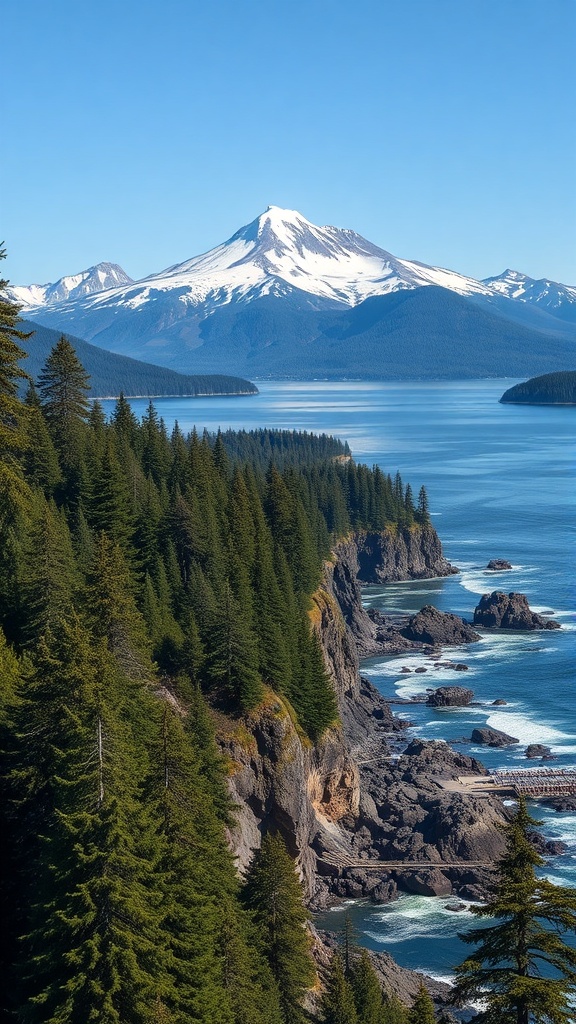
From moss-draped temperate rainforests to jagged volcanic peaks and rugged coastline, it’s a magnet for outdoor lovers, food enthusiasts, and anyone drawn to places where wild nature and urban innovation meet.
Why people keep coming back
Iconic features—snow-capped volcanoes, ancient old-growth forests, coastal tide pools, and prolific waterways—create endless opportunities for hiking, kayaking, wildlife viewing, and road trips.
Urban centers anchored by strong food scenes and craft brewing culture make the region appealing year-round. Indigenous communities, whose histories and stewardship shaped the land for millennia, are increasingly visible partners in cultural tourism, land management, and place-based experiences.
Environmental pressures shaping the region
Shifts in climate patterns are altering snowfall, streamflow, and wildfire behavior across the landscape. Glacial retreat on high peaks affects downstream water supply and river temperatures important for salmon. Warmer ocean conditions influence marine ecosystems and forage availability for iconic orcas along the coast. Forest health and wildfire risk are top concerns for communities and land managers, prompting investments in fuel reduction, prescribed fire programs, and habitat restoration.
Conservation and restoration efforts to watch
Coordinated salmon recovery projects, estuary restorations, and community-led reforestation are making measurable differences in many watersheds. Tribal-led habitat stewardship increasingly guides salmon restoration and public access planning, creating opportunities to learn about traditional ecological knowledge. Cities and states are expanding sustainable transportation and green infrastructure to reduce emissions and improve urban livability.
Top tips for visiting responsibly
– Check air quality and wildfire alerts before outdoor plans; smoke can change conditions quickly and affect visibility and health.
– Pack layers and expect microclimates: coastal fog, mountain sun, and inland heat can all appear in a single day.
– Respect tribal lands and local rules—many cultural sites require permits or guided visits.
– Practice Leave No Trace on trails and beaches; avoid disturbing tide pools and sensitive estuary habitats.
– Use public transit, ferries, or bike routes in urban areas to reduce congestion and support local economies.
Local experiences not to miss
– Explore old-growth stands and interpretive trails in protected national and state parks to connect with ancient ecosystems.
– Drive scenic corridors like coastal routes and river gorges but stop often for short hikes and viewpoint overlooks.
– Sample regional cuisine built around wild and farmed seafood, local grains, craft beer, and small-batch coffee roasters—supporting family farms and fishers helps keep local economies resilient.
– Attend cultural events and museum exhibits that highlight Indigenous arts, histories, and contemporary practices.
Practical planning advice
When mapping an itinerary, allow flexibility for weather and trail closures. Book campsite or guided experiences in advance where required. For multi-day backcountry trips, carry water treatment, a map and compass or GPS backup, and know river-crossing risks during spring melt or after heavy rain.
The Pacific Northwest continues to be a place of rich contrasts: powerful wilderness and dynamic urban life, traditional stewardship and modern innovation. Thoughtful travel and local engagement help ensure these landscapes remain healthy and accessible for generations of residents and visitors alike.
Leave a Reply