The Pacific Northwest blends dramatic landscapes, vibrant cities, and a culture built around the outdoors.
From moss-draped old-growth forests and alpine ridgelines to rugged coastline and thriving urban neighborhoods, the region invites exploration while demanding respect for its ecosystems and weather.
Why people keep coming back
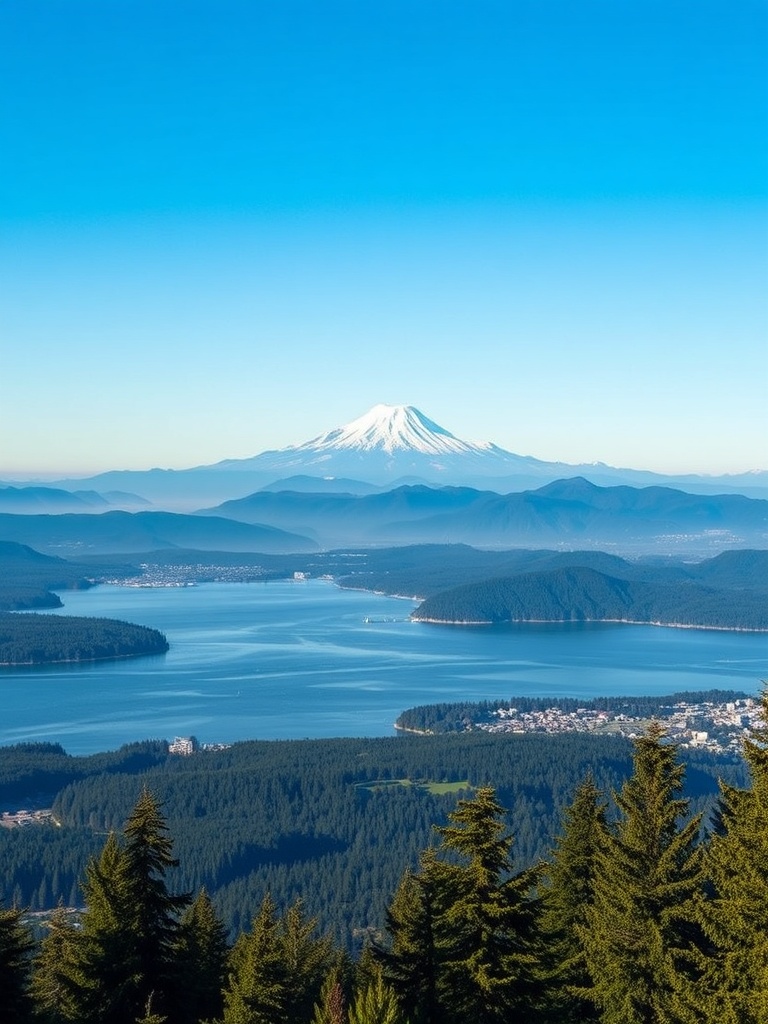
The appeal is effortless: easy access to diverse environments within a short drive. Hikers can trade a wet, temperate rainforest for sun-soaked alpine meadows; food lovers can sample Pacific salmon and craft coffee; photographers chase fog over inlets and glassy mountain lakes. That variety fuels a culture centered on active living, local sourcing, and conservation.
Top experiences to prioritize
– Trails and mountains: Routes range from quick forest strolls to multi-day passes.
Popular trailheads often lead to waterfalls, old-growth stands, and panoramic vistas. Check trail conditions ahead of time and be prepared for sudden weather shifts.
– Coastline exploration: Tide pools, sea stacks, and long sandy beaches offer wildlife viewing and photography opportunities. Tide awareness is essential—plan visits around low tides and avoid getting cut off by rising water.
– Urban outdoor culture: Cities are hubs for biking, kayaking, and community-supported agriculture (CSA). Neighborhood markets showcase seasonal produce, artisanal cheeses, and that renowned coffee culture.
– Marine life encounters: Whale watching and seal sightings are common from coastal headlands and boat charters. Respect wildlife viewing distances to minimize disturbance.
Sustainable food and wild harvests
Local food systems are a point of pride. Farmers’ markets, oyster farms, and small-scale fisheries supply much of the region’s fresh seafood and produce. When foraging—whether berries, edible greens, or mushrooms—follow local regulations and harvest ethically. Mushroom foraging is especially popular, but misidentification can be dangerous; learn from experienced foragers or guided walks and never consume anything unless you are 100% certain of its identity.
Safety and stewardship
Safety combines preparation and respect. Rainproof layers, sturdy footwear, navigational tools, and layered clothing help manage variable conditions. In backcountry settings, carry bear spray where recommended, secure food properly, and store it away from campsites. For coastal outings, check tide tables, and for river or ocean activities, understand currents and cold-water risks.
Leave No Trace principles matter here—pack out what you pack in, minimize campfire impacts, and stay on durable surfaces to protect fragile plants and soils. Supporting local conservation organizations through volunteer time or donations helps maintain parks, trails, and marine habitats for everyone.
Planning tips
– Reserve permits and campsite spots where required—popular areas can fill quickly.
– Travel off-peak or explore lesser-known trails to avoid crowds and have a more solitary experience.
– Use public transit or carpool when possible to reduce traffic and parking stress near trailheads.
– Stay informed about closures, weather warnings, and wildlife advisories before heading out.
The Pacific Northwest offers a rare combination: urban amenities alongside immediate access to wild spaces. By planning thoughtfully, prioritizing safety, and practicing responsible recreation, visitors and residents can enjoy those landscapes while helping preserve them for the long term. Embrace curiosity, support local businesses, and leave the places you visit better than you found them.
Leave a Reply