The Pacific Northwest remains one of the most magnetic regions for travelers and locals who value dramatic landscapes, vibrant cities, and strong conservation culture.
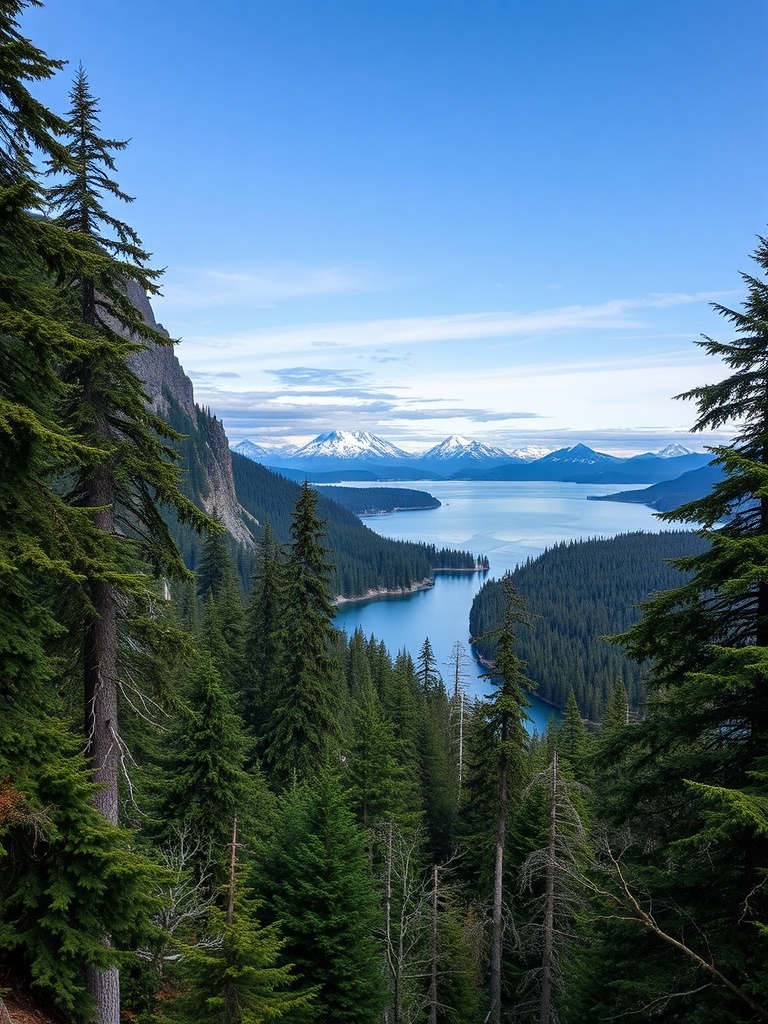
From the moss-draped temperate rainforests of the Olympic Peninsula to the volcanic silhouettes of the Cascades, the Pacific Northwest offers a blend of outdoor adventure, culinary scenes, and community-led environmental stewardship that rewards exploration.
Why people come: scenery and activities
Hiking in the Pacific Northwest is a highlight for many visitors. Trails range from gentle coastal walks along the rugged shoreline to challenging alpine routes in the Cascades and North Cascades. Popular landscapes include old-growth forests, glacial-fed lakes, fjord-like inlets, and island chains like the San Juans and Vancouver Island. Water-based activities—kayaking, paddleboarding, and whale watching—are excellent around the Salish Sea and remote coastal stretches. Ski and snowboard opportunities are abundant on the region’s volcanoes, while the Columbia River Gorge draws windsurfers and climbers.
Cities with character
Urban centers add cultural depth: Seattle, Portland, and Vancouver (BC) are known for coffee culture, farm-to-table dining, craft breweries, music scenes, and independent shops. Neighborhoods are increasingly walkable, with expanded light rail, bike infrastructure, and ferry systems that add to the region’s charm. Small towns and coastal communities deliver a quieter, locally focused experience—seafood markets, artisan studios, and seasonal festivals are part of the draw.
Conservation and community-led restoration
Conservation is core to the region’s identity.
Tribal-led and community-based restoration projects are working to recover salmon runs, restore estuaries, and protect old-growth forest ecosystems.
Marine protected areas and habitat restoration along rivers and coasts support biodiversity and sustainable fisheries. Travelers can support these efforts by choosing sustainable tour operators, buying local seafood certified by trusted programs, and visiting interpretive centers that share Indigenous knowledge and stewardship practices.
Practical tips for visiting
– Pack for changeable weather: moisture-wicking layers, a waterproof shell, and sturdy footwear make hiking and urban wandering comfortable.
– Respect Tribal lands and cultural sites: check access rules, obtain permits when required, and follow guidance from local Tribes.
– Check trail and marine conditions before you go: tides, weather, and wildfire or avalanche advisories can alter plans quickly.
– Follow Leave No Trace principles and support small, local businesses to keep tourism benefits flowing to communities.
– Consider travel alternatives to driving when possible: ferries, passenger rail, and regional transit reduce congestion and carbon footprint.
Getting the most out of a visit
Balance time between iconic sights and lesser-known spots.
Early- or late-day outings reduce crowds and heighten wildlife viewing. Engage with local guides for specialized experiences—salmon ecology tours, Indigenous cultural walks, or marine science cruises offer deeper context than a guidebook. For longer stays, volunteer options and community-supported conservation programs let visitors give back while learning.
The Pacific Northwest remains an evolving landscape where nature, culture, and conservation intersect. Whether you’re after a multi-day backpacking route, a city food crawl, or a mindful wildlife encounter, planning with sensitivity to local ecosystems and communities ensures the region remains vibrant for future visitors and residents alike.
Leave a Reply