The Pacific Northwest offers a unique mix of mild, wet winters and warm, dry summers that makes native plants a smart choice for resilient, pollinator-friendly landscapes.
Whether you garden in a foggy coastal city, a rainy valley, or the drier interior rain shadow, choosing species adapted to local conditions reduces maintenance, conserves water, and supports native wildlife.
Top native plants for Pacific Northwest gardens
– Sword Fern (Polystichum munitum): A reliable shade-loving groundcover that thrives under trees and in woodland gardens. It provides year-round texture and requires minimal care once established.
– Oregon Grape (Mahonia aquifolium): An evergreen shrub with yellow spring flowers that attract early pollinators and blue berries that feed birds. It tolerates shade and is drought-hardy once established.
– Red Flowering Currant (Ribes sanguineum): Known for bright spring blooms that bring hummingbirds and native bees. Works well as a small shrub or layered in a mixed border.
– Salal (Gaultheria shallon): A durable understory shrub with glossy leaves and edible berries. Great for erosion control on slopes and as a low-maintenance habitat plant.
– Vine Maple (Acer circinatum): A small native tree with attractive branching and fall color. Ideal for sheltered spots and naturalized woodland edges.
– Camas (Camassia quamash): A perennial bulb with striking blue flowers that support native bumblebees and add spring interest to meadows or informal beds.
– Kinnikinnick (Arctostaphylos uva-ursi): A low-growing evergreen groundcover for sunny, well-drained sites; useful for rocky slopes and pollinator habitat.
– Douglas Fir (Pseudotsuga menziesii): A foundational native tree for larger properties, offering habitat and important ecological value in urban and rural settings.
Design and planting tips that work region-wide
– Match plant groups to microclimates: Place moisture-loving species in lower, sheltered areas; locate drought-tolerant natives on slopes or exposed sites. The PNW contains distinct coastal, valley, and interior climates—observe your yard’s sun, wind, and drainage patterns first.
– Prepare the soil gently: Many natives prefer leaner soil than ornamentals.
Improve heavy clay with organic matter and avoid over-fertilizing, which can favor weeds over natives.
– Plant in layers: Combine canopy trees, understory shrubs, and groundcovers to mimic natural structure.
Layering creates more resilient habitat and reduces maintenance.
– Mulch and water wisely: Apply a breathable mulch to conserve moisture and suppress weeds. Provide regular water during the first two growing seasons, then taper as plants establish.
– Avoid invasives: Remove English ivy, non-native cotoneaster, and Himalayan blackberry, all of which outcompete natives and reduce habitat value.
Supporting pollinators and wildlife
– Bloom sequence matters: Choose a mix of species that flower from early spring through fall to supply continuous nectar and pollen for bees, butterflies, and hummingbirds.
– Leave some woody debris and seed heads: Small piles of logs and dried stems provide shelter and overwintering sites for beneficial insects and small wildlife.
– Use native shrubs for berries: Many native birds depend on fruiting shrubs like salal and Oregon grape during migration and winter months.
Where to source plants
– Buy from local native plant nurseries or plant sales hosted by native plant societies and local land trusts. Plants sourced locally are often better adapted to regional conditions and support local ecological restoration efforts.
– Consider seed swaps and community propagation programs to expand native plantings affordably while maintaining local genetic diversity.
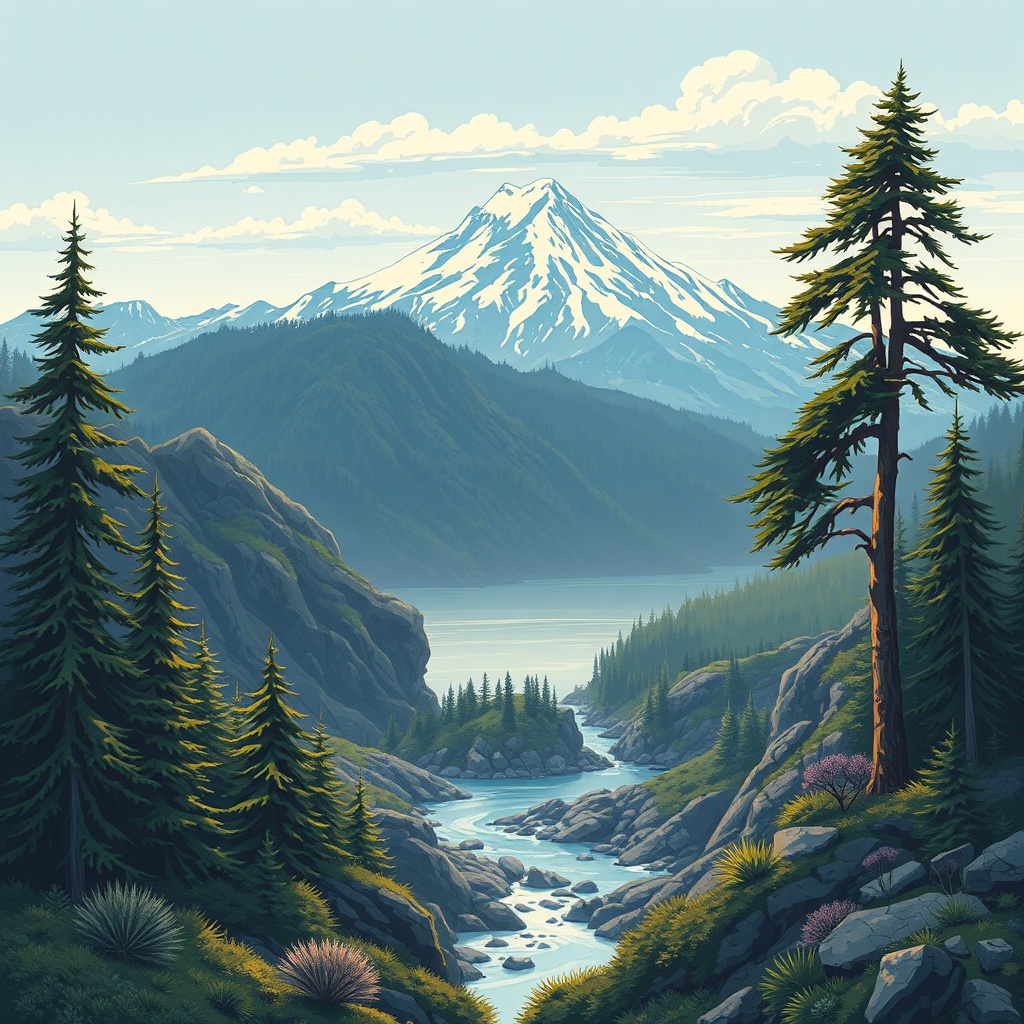
A shift toward native landscaping transforms yards into thriving ecosystems that fit the Pacific Northwest’s climate and character. Start small—replace a lawn strip or rework a single bed—and watch how native plants build healthier soil, conserve water, and invite wildlife into your landscape.
Leave a Reply