Pacific Northwest getaways: outdoor adventure, food scenes, and conservation that matter
The Pacific Northwest remains a magnet for travelers and locals who prize dramatic landscapes, vibrant urban culture, and a strong commitment to outdoor stewardship.
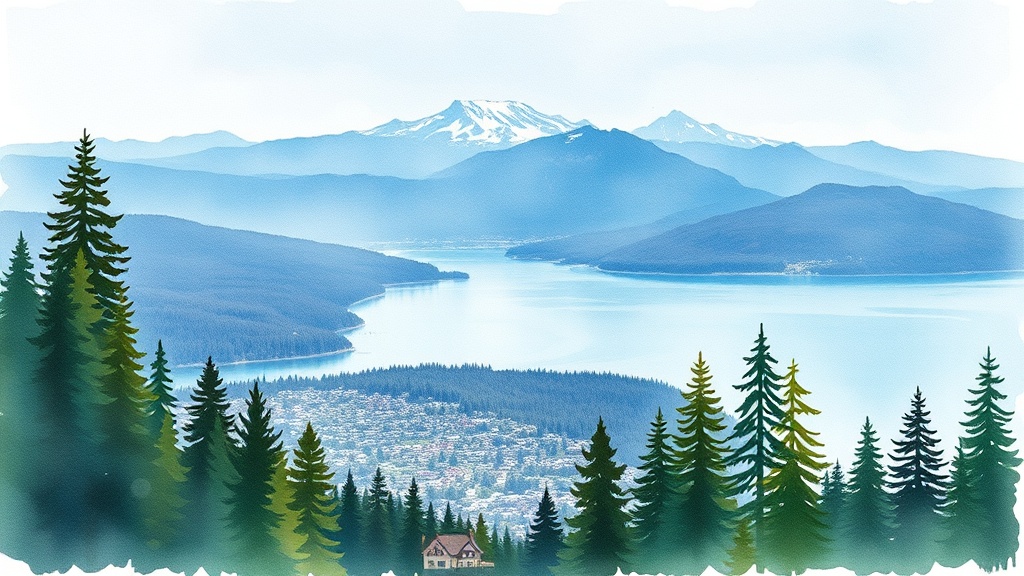
From temperate rainforests and rugged coastlines to volcanic peaks and bustling waterfronts, this region blends wilderness access with culinary creativity and progressive environmental thinking.
Why the region stands out
Mist-shrouded old-growth forests, alpine lakes, and long Pacific coastlines create an irresistible playground for hiking, biking, paddling, and wildlife watching. Mountain ranges like the Cascades and coastlines framed by the Pacific Ocean deliver year-round recreation, while cities such as Seattle and Portland balance big-city amenities with deep access to nature.
The region’s climate—mild and wet in many lowland areas—supports lush ecosystems and abundant rivers that fuel iconic salmon runs and diverse marine life.
Top outdoor experiences
– Rainforest walks: Trails through temperate rainforests offer accessible hiking amid moss-draped trees and ancient cedars. Look for boardwalks and interpretive trails that protect fragile understory habitats while offering great photo opportunities.
– Mountain adventures: Alpine routes and volcanic summits provide options for both day hikes and longer backcountry trips. Trail maintenance organizations keep many routes open and safe—always check trail conditions before setting out.
– Coastal exploration: Tide pooling, beachcombing, and sea kayaking reveal tidepools, seabirds, and occasional sightings of whales offshore.
Coastal state parks often include campgrounds with easy access to dramatic shorelines.
– Urban greenways: City bike routes, waterfront promenades, and neighborhood parks make it possible to blend cultural outings with daily outdoor activity.
Food and drink culture
The food scene is distinctly Pacific Northwest: chef-driven restaurants emphasize seasonal, locally sourced ingredients—especially seafood and farm produce.
Coffee culture is deeply rooted, and artisanal roasters continue to innovate. Farmer’s markets are community hubs offering fresh produce, cheeses, and small-batch preserves. For a regional culinary experience, seek out sustainable seafood options and establishments that partner with local farms and fisheries.
Conservation and responsible travel
Conservation is central to the region’s identity. Many communities prioritize habitat restoration, salmon recovery efforts, and sustainable forestry practices.
When visiting, follow low-impact principles: stay on designated trails, pack out trash, respect wildlife, and choose gear and services that support local stewardship. Supporting local nonprofit organizations that restore rivers or protect coastline habitat helps ensure future access and biodiversity.
Practical tips for visiting
– Plan for variable weather: Layered clothing and rain gear make outdoor plans more enjoyable and flexible.
– Make reservations for popular trailheads and campgrounds where permit systems are used to limit impact.
– Use public transit or bike-share options in cities to reduce congestion and parking challenges.
– Choose locally owned accommodations, tour operators, and restaurants to keep tourism dollars in the community.
The Pacific Northwest continues to draw people who value active lifestyles, culinary discovery, and environmental responsibility. Whether seeking solitary trails through ancient forests, urban neighborhood exploration, or coastal adventures, visitors find experiences that are both revitalizing and meaningful—paired with a regional culture that cares deeply about preserving the landscapes that make it special.
Leave a Reply