Climate-Adaptive Gardening: Native Plants and Practical Tips for the Pacific Northwest
Gardening in the Pacific Northwest offers unmatched rewards: lush foliage, a long growing season, and rich biodiversity. But the region’s mix of heavy winter rains, summer dry spells, and varied microclimates calls for an approach that favors native plants, smart soil care, and water-wise practices. Adopting climate-adaptive gardening techniques helps create resilient landscapes that support pollinators, reduce maintenance, and stay beautiful year-round.
Understand your microclimate
Even within a single city block, light, wind, and moisture can vary dramatically.
Start by mapping sun exposure, drainage patterns, and frost pockets.
Coastal yards will need salt-tolerant choices; inland valleys may require more drought tolerance.
Group plants with similar needs together — a simple step that cuts water use and keeps plants healthier.
Choose native and climate-tolerant species
Native plants are adapted to local soils, pests, and seasonal moisture patterns.
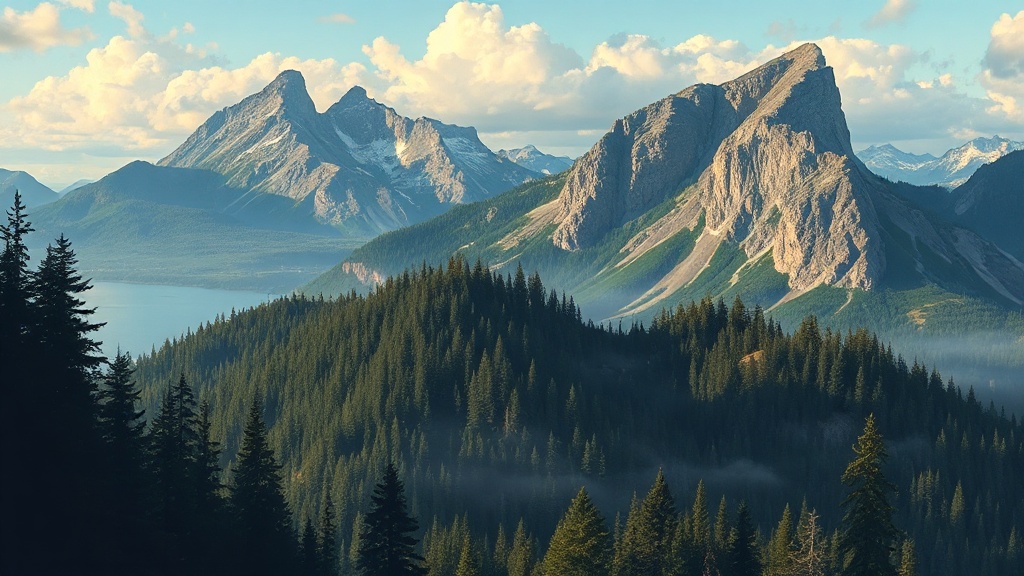
They generally need less fertilizer and irrigation than exotics and provide crucial habitat for native insects and birds. Consider these reliable PNW choices:
– Oregon grape (Mahonia aquifolium) — evergreen, early flowers for pollinators
– Red-flowering currant (Ribes sanguineum) — spring nectar source
– Salal (Gaultheria shallon) — dense groundcover for shady sites
– Western sword fern (Polystichum munitum) — exceptional in damp shade
– Pacific rhododendron (Rhododendron macrophyllum) — native shrub with showy blooms
– Kinnikinnick (Arctostaphylos uva-ursi) — low-growing, drought-tolerant groundcover
– Camas (Camassia spp.) and trillium (Trillium ovatum) — bulbs for native meadow or woodland edges
Manage soil and moisture intelligently
Plants thrive in healthy, well-structured soil. Add compost annually to build organic matter and improve infiltration.
Mulch beds with shredded bark or leaf compost to conserve moisture, suppress weeds, and moderate soil temperature. For heavy clay sites, create raised beds or incorporate coarse sand and organic material to improve drainage.
Water smart and prepare for seasonal swings
Install drip irrigation or soaker hoses on timers to deliver water to roots efficiently. Capture roof runoff with rain barrels and use it to water container plants or gardens during dry spells.
Create rain gardens in low-lying areas to absorb and filter stormwater — they reduce runoff and support wet-loving native species.
Control invasive species and favor biodiversity
Invasive plants such as Himalayan blackberry (Rubus armeniacus) and English ivy (Hedera helix) crowd out natives and destabilize ecosystems.
Remove invasives and replace them with native shrubs and groundcovers to restore habitat.
Plant a variety of bloom times and flower shapes to support a wide range of pollinators, including native bees and hummingbirds.
Design for safety and low maintenance
If your property borders wildland areas, incorporate fire-resistant plants and maintain defensible space by reducing dense fuels near structures. For lower upkeep, replace large lawn areas with native meadow mixes, permeable pavers, or mulched beds — these options reduce mowing and water demands.
Where to buy and learn
Support local native plant nurseries and garden centers that specialize in regionally appropriate varieties. Join a local native plant society or community garden group for workshops, plant swaps, and hands-on advice tailored to neighborhood conditions.
Start small and observe
Convert one bed or a portion of the lawn and watch how plants perform through the seasons. Observing and adapting will lead to a diverse, resilient garden that reflects the unique character of the Pacific Northwest while supporting local ecosystems and reducing resource use. Take the first step today: choose one native plant, improve the soil, and let nature do the rest.
Leave a Reply