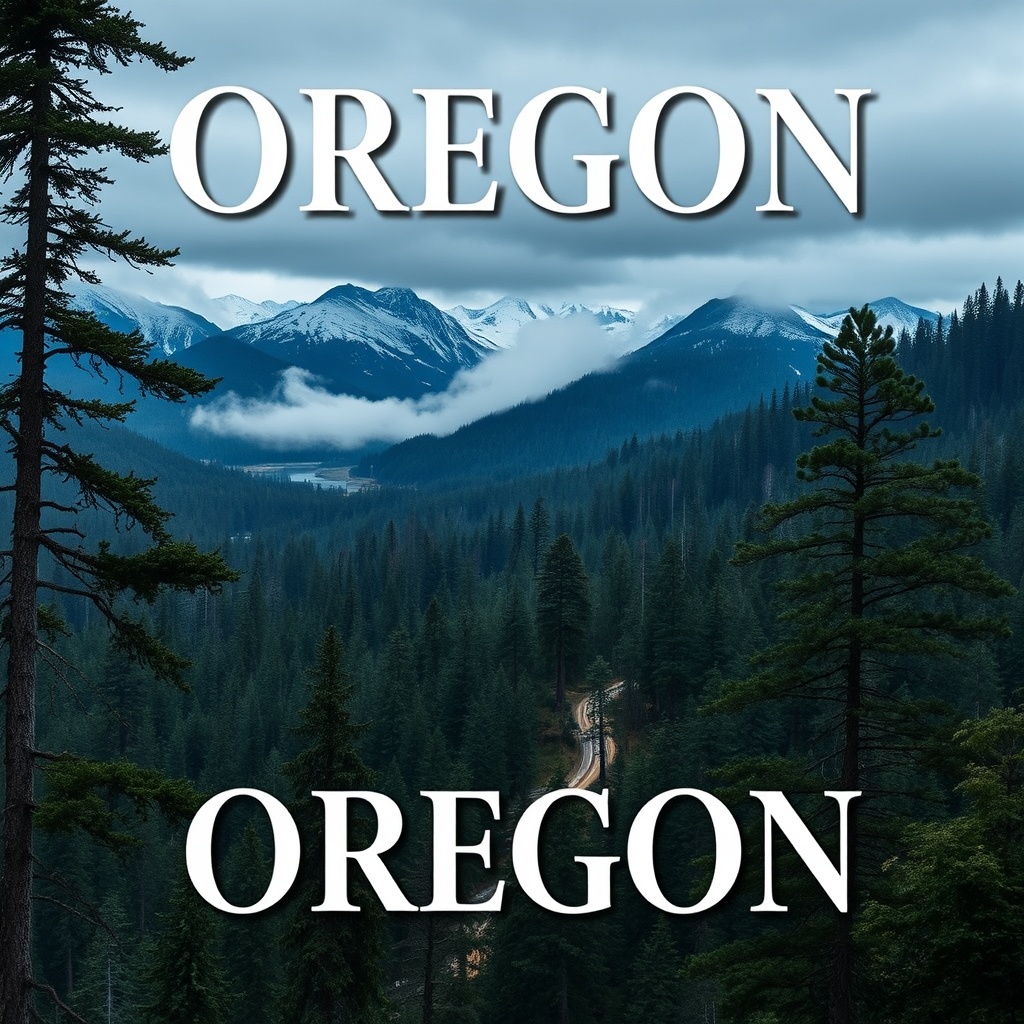
Oregon’s landscapes — from the wet coastal temperate rainforests to the dry ponderosa pine and sage-steppe east of the Cascades — are integral to the state’s identity. They’re also at the center of ongoing efforts to reduce wildfire risk, restore forest health, and protect communities and ecosystems. Understanding what’s being done and what homeowners and visitors can do makes a big difference.
Why wildfire resilience matters here
Oregon’s fire dynamics vary by region. Western forests evolved with less frequent, lower-intensity fire, while many eastern and inland forests historically experienced regular low-intensity burns that maintained open, resilient stands. Decades of fire suppression, pests, and changing climate patterns have increased fuel loads and made some fires more intense and harder to control. When wildfires threaten communities, the consequences are social, economic, and ecological — affecting air quality, water supply, wildlife habitat, recreation and tourism.
Strategies that are making a difference
– Prescribed and cultural burning: Carefully planned prescribed burns reduce excessive fuels and restore fire’s ecological role.
Tribal-led cultural burning is gaining recognition as an effective, traditional approach that enhances habitat and reduces catastrophic fire risk.
– Forest restoration and thinning: Mechanical thinning, selective harvest, and targeted removal of small-diameter trees can reduce crown fire potential.
Restoration focuses on returning forests to more resilient structures while protecting biodiversity and watersheds.
– Collaborative landscape-scale work: Partnerships among federal and state agencies, tribes, private landowners, nonprofit groups and local communities enable coordinated projects across ownership boundaries — which is essential for meaningful risk reduction.
– Community planning and building practices: Creating defensible space, using fire-resistant building materials, and strategic land-use planning in the wildland-urban interface reduce home ignition risk.
– Smoke and air quality management: Improved monitoring and public communication help people protect health during smoke events, with guidance for sensitive groups and temporary changes to outdoor recreation.
What homeowners and communities can do now
– Create and maintain defensible space: Keep vegetation trimmed, remove ladder fuels, and maintain a buffer of low-combustible materials around structures.
– Harden buildings: Use ember-resistant vents, noncombustible siding or cladding, fire-resistant decking, and roof materials rated for wildfire exposure.
– Prepare an evacuation plan: Identify multiple escape routes, assemble emergency kits, and enroll in local alert systems.
– Support landscape-scale approaches: Participate in or support local collaboratives, restoration projects, and outreach efforts that prioritize science-based treatments and tribal partnerships.
– Watch air quality: Use local AQI monitoring tools and limit outdoor activities when smoke levels are high; consider indoor air cleaners and masks rated for fine particles when recommended.
For visitors and outdoor enthusiasts
Plan ahead for trail and campground closures, carry a portable air-quality gauge or check local advisories, and respect prescribed burns and closures. Recreation that avoids adding risk — like following equipment restrictions and campfire rules — helps keep forests healthy and communities safe.
The path forward balances ecological restoration, cultural stewardship, community safety and recreational access. Progress depends on continued collaboration, adaptive management, and everyday preparedness.
Whether you live in a forested neighborhood, own rural land, or visit Oregon’s public lands, practical actions and community involvement help make landscapes and people more resilient to wildfire and smoke.
Leave a Reply