Oregon blends dramatic landscapes, progressive policy, and a vibrant food-and-drink scene into a single destination that rewards both day-trippers and long-stay explorers. Whether you’re chasing rugged coastline, volcanic peaks, world-class wine, or urban creativity, Oregon delivers memorable experiences with an emphasis on outdoor access and sustainability.
Coastline and Coastal Towns
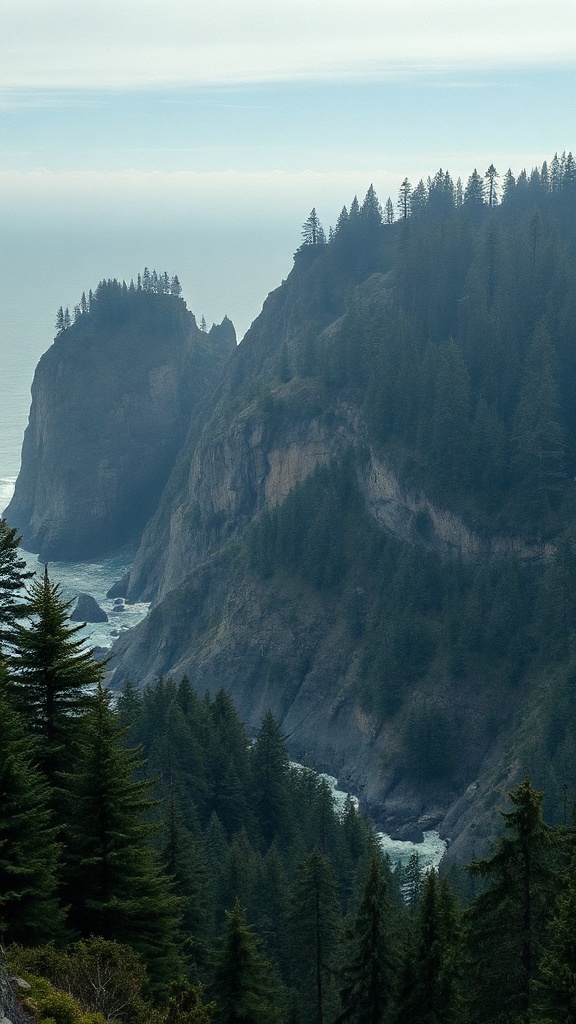
Oregon’s coastline is a continuous string of rugged cliffs, sandy beaches, and small towns that feel a world away from urban life. Scenic drives reveal iconic sea stacks, tide pools teeming with marine life, and postcard-worthy viewpoints. Coastal towns offer fresh seafood, local galleries, and quiet beaches ideal for long walks. Popular stops mix easy accessibility with hidden gems—look for less-crowded state parks and interpretive trails to explore tide pools, migratory bird habitats, and historic lighthouses.
Mountains, Waterfalls, and Rivers
The Cascade Range frames the state with volcanic peaks, old-growth forests, alpine lakes, and cascading rivers. Hiking options span short interpretive loops to multi-day backpacking routes. Waterfall chases in scenic river gorges reward hikers with spectacular photography opportunities—many trails feature accessible viewpoints for families and casual visitors. Rivers across the state support fishing, rafting, and paddling; practicing catch-and-release where advised and following local regulations helps protect native fish populations.
Wine, Beer, and Food Culture
Oregon has a strong reputation for boutique wine production, especially cool-climate varietals cultivated in fertile valleys.
Tasting rooms emphasize small-batch, hands-on winemaking and often pair well with nearby culinary offerings.
Craft beer and artisanal cider scenes thrive in both cities and towns, with taprooms showcasing experimental brews and local ingredients. Farm-to-table dining is widespread—markets, roadside stands, and community-supported agriculture projects make it easy to enjoy seasonal produce and regional specialties.
Urban Life and Creative Communities
Cities blend progressive planning with cultural vibrancy. Neighborhoods host rotating food carts, independent bookstores, live music venues, and public art.
Many communities prioritize walkability, bike infrastructure, and green space. Local markets and inventive small businesses reflect a commitment to sustainability and community resilience, creating an appealing urban-rural balance.
Sustainability, Forest Management, and Outdoor Stewardship
Sustainability is front and center across public and private initiatives. Efforts focus on renewable energy development, habitat restoration, and innovative forest management practices—such as controlled burns and selective thinning—to reduce wildfire risk and promote ecological resilience. Conservation partnerships support salmon restoration and river health while encouraging outdoor stewardship.
Visitors can contribute by following Leave No Trace principles, supporting local conservation organizations, and choosing eco-conscious tour operators.
Practical Tips for Visitors
– Layered clothing works best for quickly changing mountain and coastal weather.
– Check local trail and road conditions before heading out, especially for remote or high-elevation access.
– Respect wildlife and protected habitats; keep dogs leashed where required.
– Support local businesses—tasting rooms, family farms, and independent shops keep communities vibrant.
– Book accommodations and specialized tours in advance when visiting popular areas on weekends or holiday periods.
Oregon’s mix of dramatic scenery, local flavor, and environmental innovation makes it both an outdoor playground and a place to experience thoughtful, place-based living. Whether you’re exploring a quiet beach, hiking a volcanic ridge, or sampling a small-batch pinot noir, the state invites slow discovery and responsible adventure.
Leave a Reply