Oregon’s appeal is rooted in variety: rugged coastline, glacier-carved mountains, high desert expanses and fertile valleys where wineries and farms thrive. Whether planning a weekend escape or a longer road trip, Oregon offers experiences for every outdoor interest and palate — with an emphasis on responsible travel that keeps landscapes healthy and communities vibrant.
Why Oregon stands out
– Dramatic landscapes: The coastline’s sea stacks and sandy beaches contrast with the verdant forests of the Coast Range, while the Cascade Mountains offer alpine lakes, waterfalls and volcanic peaks.
The Columbia River Gorge provides iconic cliffside views and world-class wind sports.
– Rich food and drink scene: Farm-to-table dining is woven into local culture. Small-batch wineries in the Willamette Valley, artisanal breweries across the state, and family-run farms producing hazelnuts, berries and seafood create a regional culinary identity.
– Outdoor recreation access: Hikers, bikers, paddlers and climbers find well-maintained trails, river access and biking routes. Many state and national parks are designed to welcome a range of skill levels, from gentle coastal walks to backcountry routes.
Smart planning tips
– Check conditions before you go: Trail closures, high winds, tide patterns on the coast and river levels can change quickly. Local ranger districts and park websites provide up-to-date information about closures and safety alerts.
– Pack for changeable weather: Layering is essential.
Even in mild seasons, coastal fog, mountain storms and chilly evenings can turn a day outside into a test of preparedness.
– Respect closures and wildlife: Seasonal nesting closures and habitat protections are common. Stay on designated trails and heed signage to protect sensitive plants and nesting birds.
– Understand permitting and parking: Popular sites often require day-use permits, parking passes or timed entry. Plan ahead to avoid fines and overcrowding.
Leave-No-Trace practices that matter
– Take your trash with you and remove micro-waste (food scraps, cigarette butts, tape).
– Use established campsites and fire rings where fires are allowed; otherwise, use a camp stove.
– Avoid creating new social trails or cutting switchbacks; this preserves soil and native vegetation.
– Keep dogs leashed where required to protect wildlife and other visitors.
Support local communities
Choose locally owned cafes, gear shops and guides. Buying regional products — from oysters and salmon to handcrafted beers and pinot noir — keeps tourism dollars in the community and supports resilient rural economies. Consider staggered visits to lesser-known towns to reduce pressure on overcrowded spots and discover hidden gems.
Safety and wildfire awareness
Wildfire risk is a reality across much of the state during dry periods. Always check fire danger levels and observe burn restrictions.
If you find smoky conditions, reduce strenuous activity and verify air quality for sensitive individuals. When driving, be prepared for detours and road closures that can arise quickly when incidents occur.
Getting off the beaten path
Explore lesser-known options like high desert draws, quiet river valleys, and small coastal towns where local galleries and family-run oyster farms offer authentic experiences. State forests and BLM lands often provide dispersed recreation opportunities for those seeking solitude.
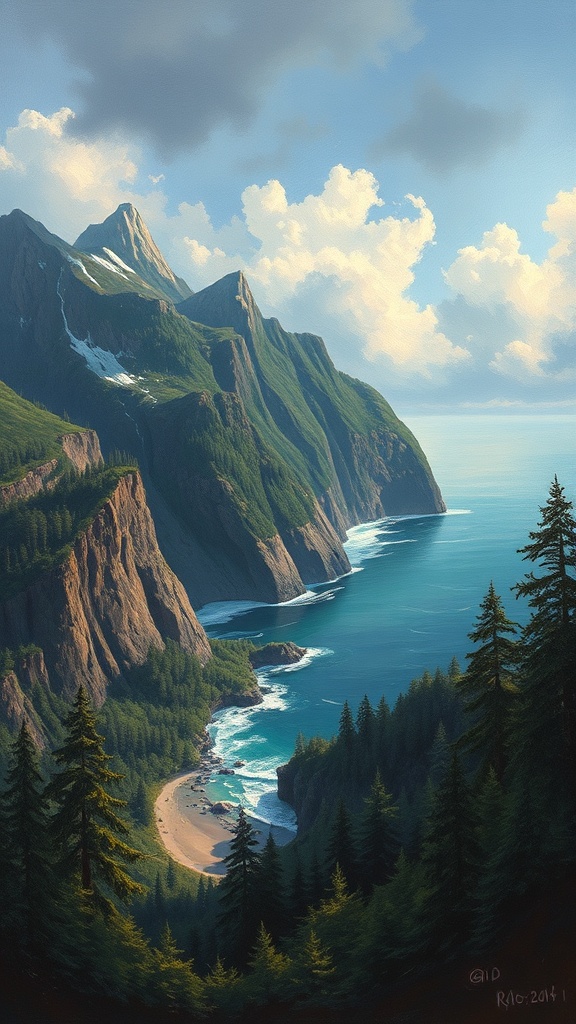
Oregon’s mix of natural diversity and local culture is the reason many return again and again.
With thoughtful planning, respect for the land, and an eye toward supporting communities, visitors can enjoy memorable experiences while helping to preserve the state’s landscapes for future travelers.
Leave a Reply