Oregon: Outdoor Adventure, Sustainable Travel, and Community Resilience
Oregon remains one of the most compelling destinations on the West Coast, blending dramatic coastlines, volcanic peaks, lush forests, and vibrant cities. Whether planning a weekend getaway or exploring long-term relocation options, understanding Oregon’s outdoor opportunities, environmental challenges, and local culture helps visitors and residents make the most of the state.
Why Oregon draws visitors
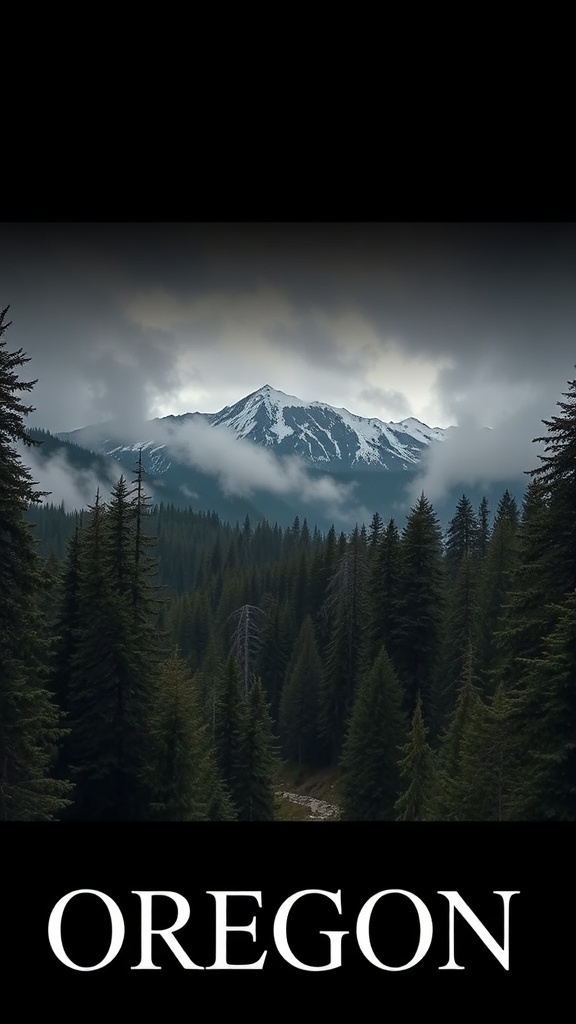
Oregon’s appeal is rooted in variety. The coastline offers rugged cliffs, sandy beaches, and small coastal towns ideal for tidepooling, storm-watching, and seafood. Inland, high desert landscapes contrast with dense old-growth forests and alpine terrain around the state’s volcanic peaks. For food and drink lovers, the state’s wine regions and craft brewery scene continue to draw attention, with a strong emphasis on farm-to-table dining and artisanal producers.
Outdoor recreation: practical tips
– Check conditions before you go: Trail and road conditions can change quickly.
Look up local forest service or state park updates and heed any advisories or closures.
– Pack layers and emergency supplies: Coastal fog, mountain wind, and desert sun can all occur in a single day. Water, extra clothing, a map, and a basic first-aid kit are essentials.
– Practice Leave No Trace: Oregon’s trails and beaches benefit from responsible use—pack out trash, avoid disturbing wildlife, and stay on designated paths.
– Permits and permits awareness: Some popular trailheads and wilderness areas use parking passes or permit systems during busy seasons. Plan ahead to secure access.
Sustainable travel and nature stewardship
Sustainable tourism is increasingly central to the Oregon experience. Community-led efforts focus on protecting shorelines, restoring salmon runs, and reducing wildfire risk through forest management and prescribed burns.
Supporting local guides, staying in independently owned lodgings, and choosing low-impact activities help preserve natural areas for future visitors and residents.
Wildfire resilience and land management
Wildfire risk and resilient land stewardship are hotspots of activity. Agencies and communities are investing in fuel reduction, defensible-space education, and landscape-scale restoration to reduce the severity of wildfires and protect watersheds.
Travelers should be aware of temporary restrictions on campfires and dispersed camping during high-risk periods and should check official advisories before planning backcountry trips.
Food, drink, and culture
From urban neighborhoods to rural valleys, Oregon’s culinary identity emphasizes local sourcing.
Small farms, seafood harvesters, and specialty producers supply restaurants and markets across the state. Wine tasting rooms, brewery tours, and farmers’ markets are excellent ways to connect with local flavor while supporting independent businesses.
Urban hubs with access to nature
Cities like Portland and emerging regional centers offer a mix of cultural amenities, outdoor access, and entrepreneurial energy. Neighborhood breweries, independent bookstores, and a growing tech and creative sector coexist with nearby trails, rivers, and parks—making urban day trips into nature easy and frequent.
How to be a good visitor or neighbor
– Support local businesses and conservation nonprofits.
– Respect private property and cultural sites, including tribal lands—seek permission where required.
– Keep pets under control in sensitive areas to protect wildlife.
– Use public transit, carpool, or bike to reduce congestion and emissions when visiting busy destinations.
Oregon continues to attract people seeking nature, culture, and community-driven solutions to environmental challenges. With thoughtful planning and an emphasis on sustainable choices, visitors can enjoy the state’s diverse landscapes while contributing to long-term stewardship and local economies.
Leave a Reply