Oregon’s coastline is a compact powerhouse of dramatic scenery, outdoor adventure, and conservation action. Stretching from rugged headlands to broad sandy dunes, the coast offers accessible day trips and longer escapes that suit hikers, photographers, families, and anyone who appreciates wildlife and ocean views.
What to see and do
– Iconic viewpoints: Sea stacks, basalt cliffs, and rocky tidepools create instantly recognizable coastal scenes. Popular overlooks and short trails make it easy to experience the drama without a long hike.
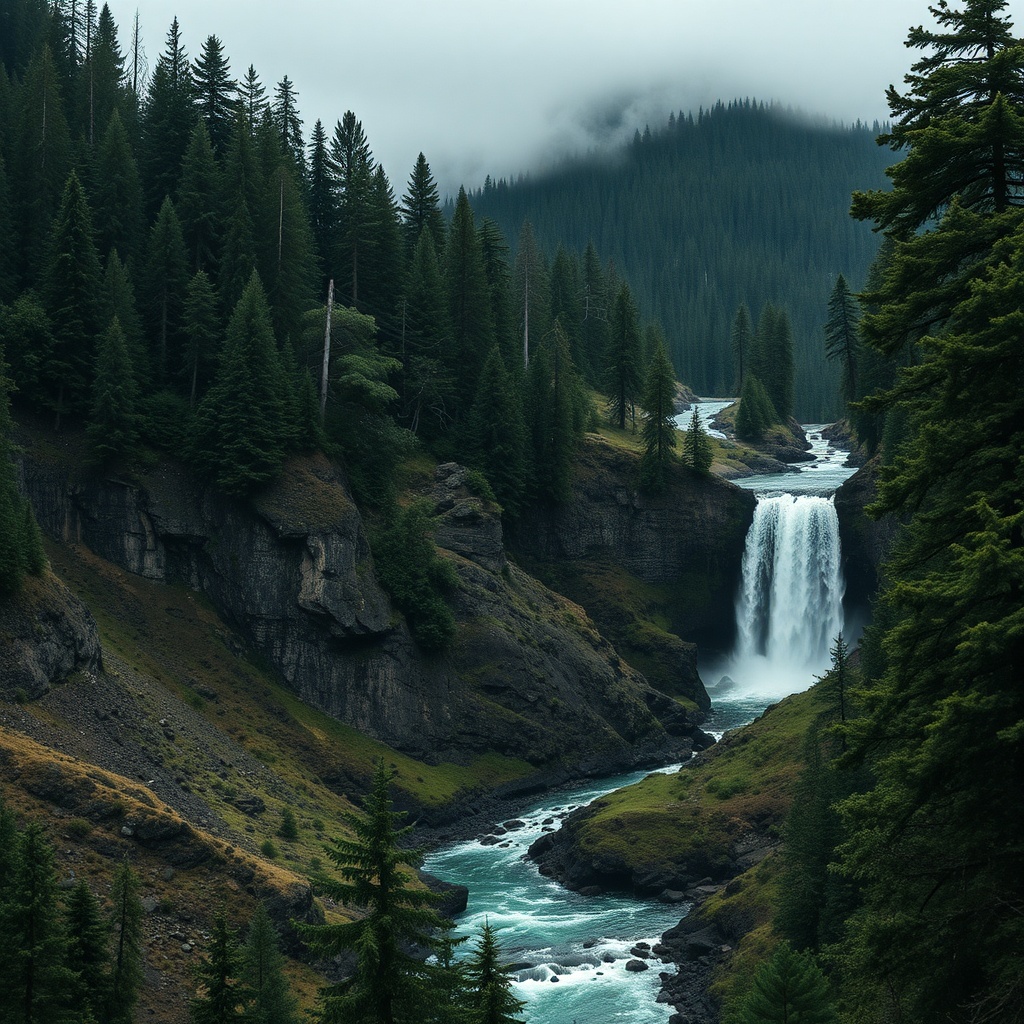
– Tidepooling and beachcombing: Low tides reveal colorful anemones, starfish, and hermit crabs. Move slowly, look with care, and avoid touching fragile animals or removing shells that provide shelter.
– Whale watching: Migration corridors bring gray whales and other species close to shore. Clifftop vantage points, interpretive centers, and locally guided tours increase the odds of sightings.
– Sandplay and adventure sports: The Oregon Dunes invite sandboarding and ATV use in designated zones; elsewhere, dune restoration areas are off-limits to vehicle traffic to protect fragile habitat.
– Lighthouses and small towns: Coastal towns blend seafood, arts, and seaside hospitality. Visits to local markets, viewpoints, and historic lighthouses give cultural context to the natural landscape.
Responsible coastal recreation
Oregon’s coast is both a recreational resource and an ecological hotspot. Practicing low-impact behaviors keeps beaches healthy and wildlife safe:
– Check tide charts before exploring tidepools or venturing onto exposed sandbars—sneaker waves and rapidly rising tides can cut off routes back to shore.
– Follow posted rules: stay on trails, avoid trampling foredune vegetation, and keep dogs leashed where required to protect nesting birds.
– Observe wildlife from a distance. Use binoculars or zoom lenses rather than approaching seals or shorebirds; disturbance can reduce feeding and breeding success.
– Pack out trash and recycle; glass on beaches is a hazard for people and animals.
Conservation and local stewardship
Coastal conservation is a collaborative effort among state agencies, tribal partners, local communities, and volunteers. Projects often focus on dune restoration, native plant reestablishment, and marine reserve protection.
Marine reserves along the coast help safeguard kelp forests, forage fish, and invertebrate communities that support larger predators. Community science programs invite visitors and residents to help monitor tidepool species, document seabird activity, and report debris.
Safety and practical tips
– Dress in layers and bring windproof outerwear—coastal weather changes quickly and can be much cooler than inland.
– Footwear with good traction is essential on wet rocks and muddy trails.
– If planning a beach bonfire or overnight stay, check local regulations and fire restrictions before you go.
– Visitor centers and local chambers of commerce are reliable sources for trail conditions, interpretive programs, and permitted activities.
Why the coast matters
More than a scenic backdrop, Oregon’s coast is integral to fisheries, recreation economies, and cultural heritage.
It’s also a frontline for climate impacts and coastal resilience planning, which informs how communities adapt while maintaining public access and habitat quality.
Whether you’re after dramatic landscapes, quiet tidepools, or the hum of a lively seaside town, Oregon’s coast delivers experiences that reward curiosity and careful stewardship. Plan thoughtfully, respect the rules that protect this ecosystem, and you’ll help ensure those landscapes remain vibrant and accessible for everyone who comes to enjoy them.
Leave a Reply