The Pacific Northwest is famous for its rich forests, damp climate, and incredible diversity of wild mushrooms.
Foraging here can be rewarding, but it demands careful ID, respect for ecosystems, and knowledge of local rules. Whether you’re a beginner or sharpening your skills, these practical tips and best practices will help you forage safely and sustainably.
Why the Pacific Northwest is prime mushroom country
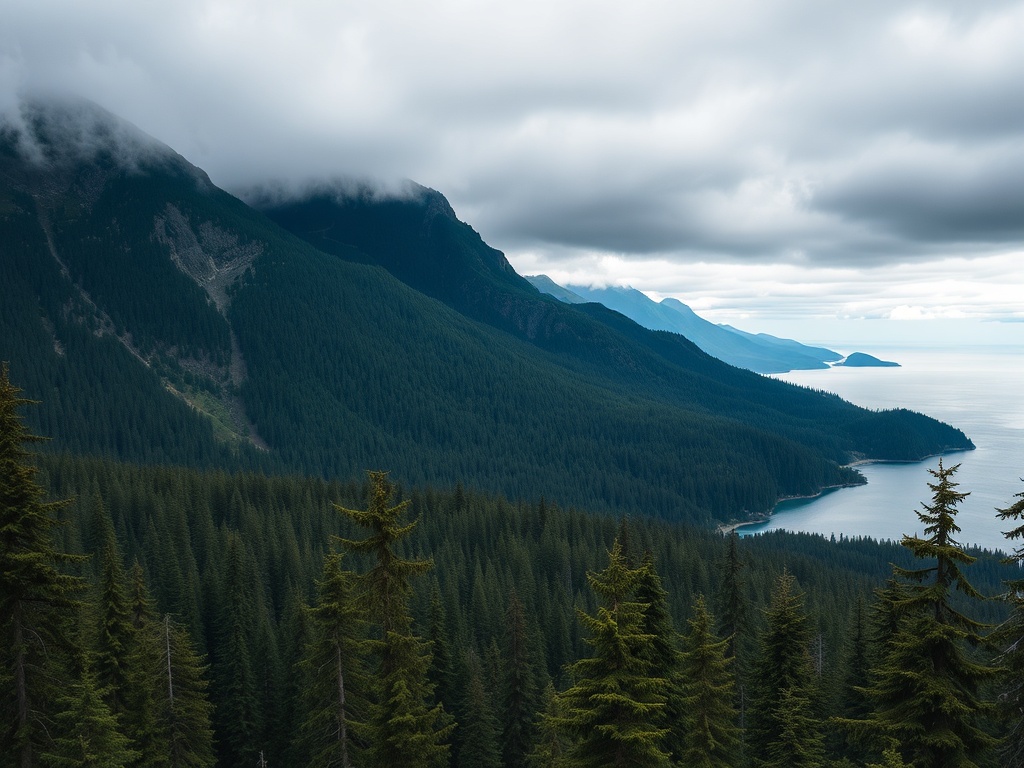
Cool, wet winters and mild summers create ideal conditions for a wide variety of fungi. Old-growth forests, mixed conifer stands, and coastal rainforests host species that thrive on decaying wood, living trees, or soil with mycorrhizal partners. That diversity means great opportunities — and greater responsibility.
Essential safety rules
– Never eat a wild mushroom unless you are 100% certain of its identification.
Many edible species have dangerous look-alikes.
– Start small: sample a tiny cooked portion and wait before eating more to check for sensitivity.
– Use multiple identification methods: field guides, spore prints, habitat and season clues, and expert confirmation. Apps can help but aren’t a substitute for hands-on ID or expert review.
– If you experience severe reactions after eating wild mushrooms, seek medical care immediately.
Top species to learn first
– Chanterelles: prized for flavor, false chanterelles and jack-o’-lanterns can be confusing—check gill structure and color.
– King boletes (porcini): chunky, brown-capped mushrooms with a sponge-like pore surface under the cap.
– Oyster mushrooms: often found on dead wood; have a fan shape and white to lilac gills.
– Morels: springtime favorites with honeycomb caps; avoid confusing them with toxic false morels.
– Chicken of the woods: bright orange shelf fungus; some people enjoy it cooked, but test for individual tolerance.
Ethical and sustainable harvesting
– Take only what you will use and leave plenty to maintain ecological functions and spore dispersal.
– Harvest mature specimens and avoid digging up small or young mushrooms; consider cutting at the base to preserve the underground mycelium.
– Avoid overharvesting popular spots; rotate collection areas and share knowledge about abundance.
– Be mindful of rare or protected species; some fungi and their habitats are under conservation rules.
Know the regulations and property boundaries
– Public lands, state parks, and national forests may have different policies on foraging.
Check local regulations and seasonal closures before you go.
– Always obtain permission before foraging on private property.
– Avoid foraging in areas treated with pesticides or near roadways where contamination could occur.
Practical gear and habits
– Bring a sturdy basket or mesh bag to allow spore dispersal.
– Carry a small knife, a field guide, a knife for cleaning, gloves, and a camera for documenting finds.
– Wear sturdy footwear, rain gear, and tick protection.
– Practice Leave No Trace: stay on trails where required, minimize trampling, and pack out any trash.
Learn from local experts
Joining a local mycological society, taking guided walks, or attending workshops is one of the fastest and safest ways to develop reliable ID skills and responsible harvesting habits. Local experts can point out subtle differences, seasonal patterns, and regulated areas unique to the region.
Foraging in the Pacific Northwest can connect you to the landscape in a deep, rewarding way. With careful identification, ethical harvesting, and respect for local rules, mushrooming becomes a sustainable hobby that supports both personal enjoyment and forest health.
Leave a Reply