Portland without a car: how to get around like a local
Portland’s compact neighborhoods, abundant bike lanes, and layered transit options make it one of the easiest U.S. cities to navigate without a car. Whether you’re commuting, exploring food carts, or heading to a show, a mix of light rail, buses, bikes, and walking will get you where you need to go efficiently and often more enjoyably than driving.
Transit basics
TriMet operates the regional bus and light-rail network that links downtown, inner neighborhoods, and many suburbs. The city’s streetcar adds short, frequent service through dense corridors. Use official transit apps or familiar mapping tools to check real-time arrivals and plan transfers. A reloadable fare card and mobile ticketing simplify payments, and many systems now offer contactless options for faster boarding.
Biking and micromobility
Portland has invested heavily in protected bike lanes, neighborhood greenways, and traffic-calming measures, making cycling safer and more pleasant. Shared e-bikes and scooters operate across the city—handy for short trips or when hills and wind might otherwise slow you down. If you plan to ride frequently, consider bringing your own helmet or using rental services that provide one; always follow local rules and park scooters and bikes in designated areas to keep sidewalks clear.
Walking-friendly neighborhoods
Many neighborhoods are designed for walking. Downtown, the Pearl District, and the waterfront offer compact blocks, pedestrian plazas, and cafes within easy reach. For a more eclectic stroll, try Alberta Arts District or Mississippi Avenue for local shops and street murals. Carry a light rain layer—Portland weather can change quickly, and being prepared makes walking enjoyable year-round.
Connections to the airport and suburbs
Rail connections link downtown to the airport, making trips to and from flights seamless without the hassle of parking.
Regional routes and park-and-ride facilities connect outer neighborhoods and suburbs, giving commuters multiple options beyond driving.
Practical tips
– Plan multimodal trips: combine a train or bus with a short bike ride or scooter trip to cover the “last mile.”
– Check service alerts before you go: detours and temporary route changes are common during construction and events.
– Peak times: transit can be crowded during commute hours; outside those windows you’ll find frequent, less-full service.
– Pay attention to loading zones and bike parking rules to avoid citations and help small businesses keep sidewalks open.
– Respect transit etiquette: give priority seating to people who need it, and keep crowds moving on platforms.
Safety and accessibility
Portland prioritizes accessibility: buses and trains are equipped for passengers with mobility needs, and many sidewalks and stations are ADA-compliant. For personal safety, travel in well-lit areas when possible and stay aware of your surroundings—sharing the road safely benefits everyone.
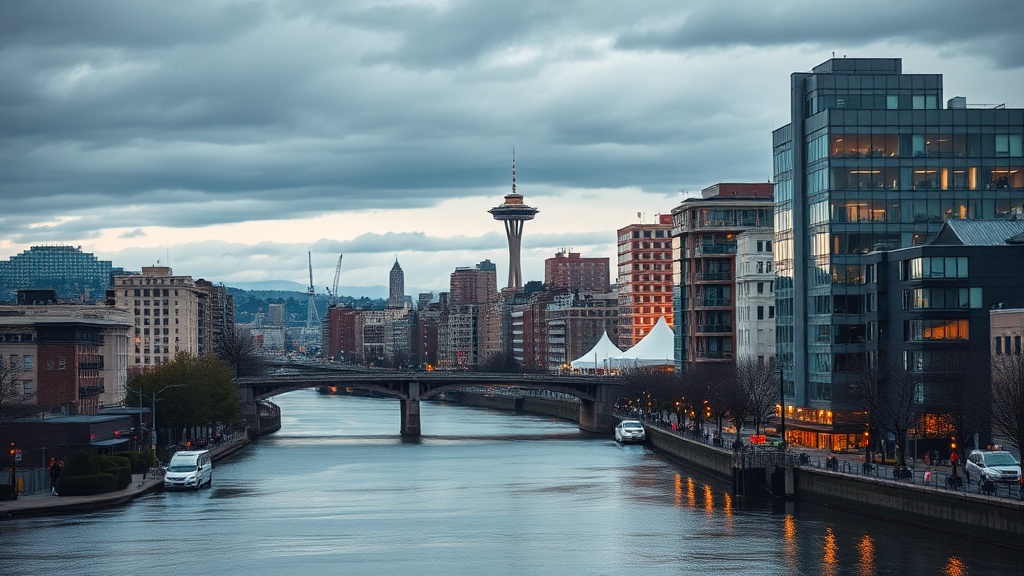
Why leave the car behind?
Skipping the car reduces stress, cuts parking costs, and opens up more flexible routes through tight urban cores. It also supports local businesses and helps lower emissions, contributing to a healthier, more resilient city.
Try a car-free day this weekend: map a route, pick a few spots to visit, and experience Portland at street level. You might find it’s the simplest way to discover neighborhoods, food, and culture that can be missed behind windshield glass.
Leave a Reply