Mushroom Foraging Safely in the Pacific Northwest
The Pacific Northwest is famous for its damp forests, rich biodiversity, and some of the world’s most sought-after wild mushrooms.
Foragers are drawn to chanterelles tucked under Douglas firs, elusive morels in spring burns, and fragrant matsutake under aged pines. Whether you’re a beginner or building toward advanced identification skills, a responsible approach keeps both you and the ecosystems you love safe.
Where to look and when
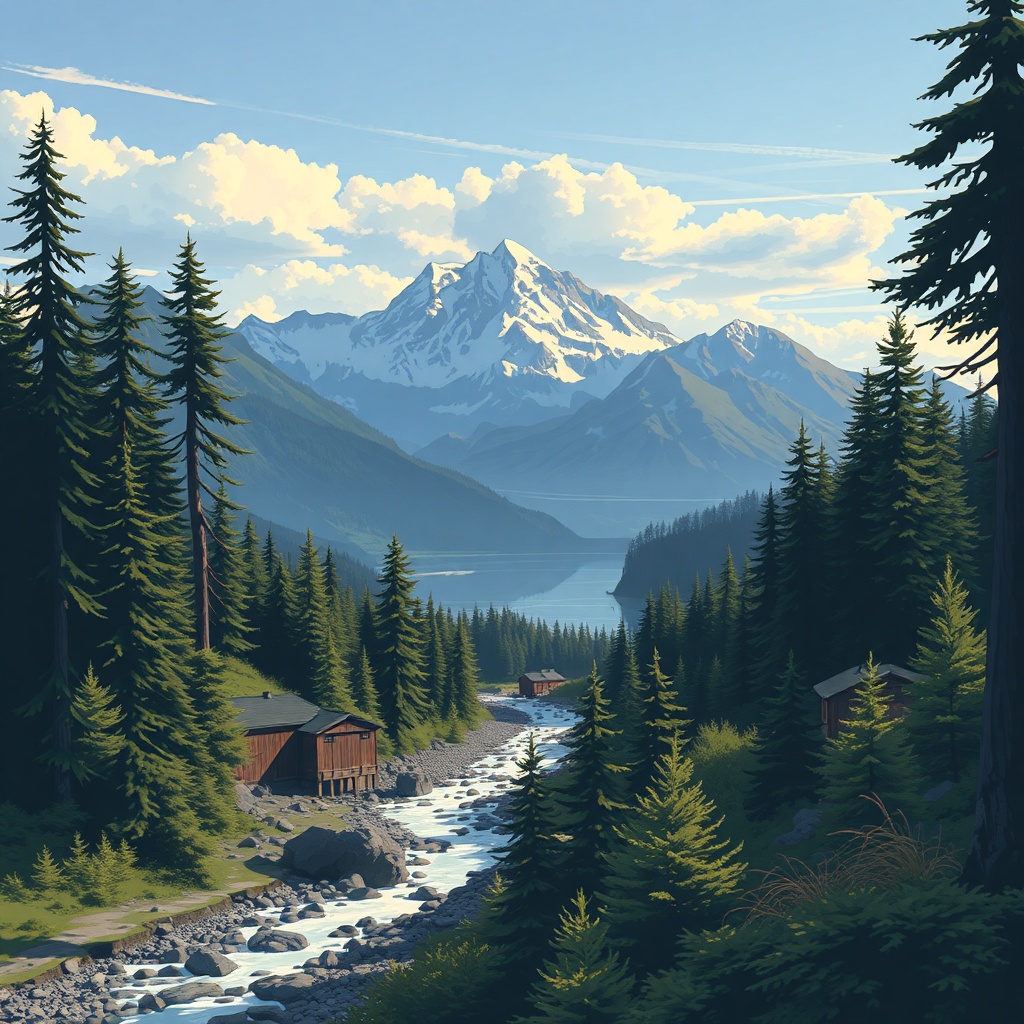
The region’s temperate rainforests, mixed conifer stands, and coastal woodlands create ideal conditions for fungi. Warm, wet periods after a dry spell often trigger flushes; pay attention to local weather patterns and trail reports. Public lands and designated harvesting areas are common foragers’ destinations, but rules vary—check signage and land-management websites before collecting.
On private property, always get permission.
Essential safety and identification tips
Mushroom identification can be nuanced; some edible species have dangerously similar toxic look-alikes. Never eat any wild mushroom unless you can positively identify it. Practical, repeatable practices include:
– Learn from experts: Attend guided walks, join a mycological society, or take an ID class led by experienced foragers.
– Use multiple identification features: Note cap shape, gill attachment, spore print color, stem traits, habitat, and odors—single traits can mislead.
– Start with easy, distinctive species: Chanterelles, edible boletes, and some puffballs are better starter mushrooms than subtle, variable species.
– When in doubt, throw it out: If you’re unsure, don’t risk it.
Common Pacific Northwest edible species (and cautions)
– Chanterelles (Cantharellus spp.): Golden, trumpet-shaped, and fragrant. Beware of the orange Jack-o’-lantern, which grows on wood and has true gills.
– Morels (Morchella spp.): Honeycombed caps prized by cooks; check for hollow stems and seasonality.
False morels can be toxic and should be avoided.
– Porcini/Boletes (Boletus edulis and relatives): Thick caps and pores under the cap; avoid boletes with red pores or blue-staining flesh, which may indicate toxicity.
– Matsutake: Aromatic, firm-textured mushrooms that associate with certain pines; limited distribution and high demand make correct ID and legal foraging essential.
Sustainable and legal harvesting
Sustainability protects future mushroom crops and the forest.
Use a knife to cut mushrooms at the base rather than uprooting the mycelium. Avoid overharvesting patches—leave plenty for spore dispersal and wildlife.
Pack out trash and stick to trails to minimize habitat disturbance. Many national and state lands have specific rules on quantities, gear, and seasons; check permitting requirements before you go.
Gear and preparation
Bring a shallow basket or mesh bag for good airflow, a small knife, a field guide or ID app for reference, and waterproof footwear. Carry a notebook to record habitat and IDs, and use a camera to document specimens for later verification by experts. When cooking, thoroughly cook wild mushrooms and introduce them slowly to your diet to test for personal sensitivities.
Resources to build confidence
Local mycological societies, university extension programs, and community foraging groups offer workshops, identification sessions, and guided walks. Regional forums and social media groups can be helpful for learning, but always verify IDs with knowledgeable, local experts before consuming.
Mushroom foraging in the Pacific Northwest can be a lasting, rewarding way to connect with the landscape. Prioritizing safety, sustainability, and ongoing learning helps ensure that the forests and their fungi thrive for generations of foragers to come.
Leave a Reply