Portland’s transportation story is still being written, but a few themes define the city: a deep commitment to active mobility, a dense network of protected bike lanes and neighborhood greenways, and a culture that treats cycling as a practical daily choice rather than a weekend hobby.
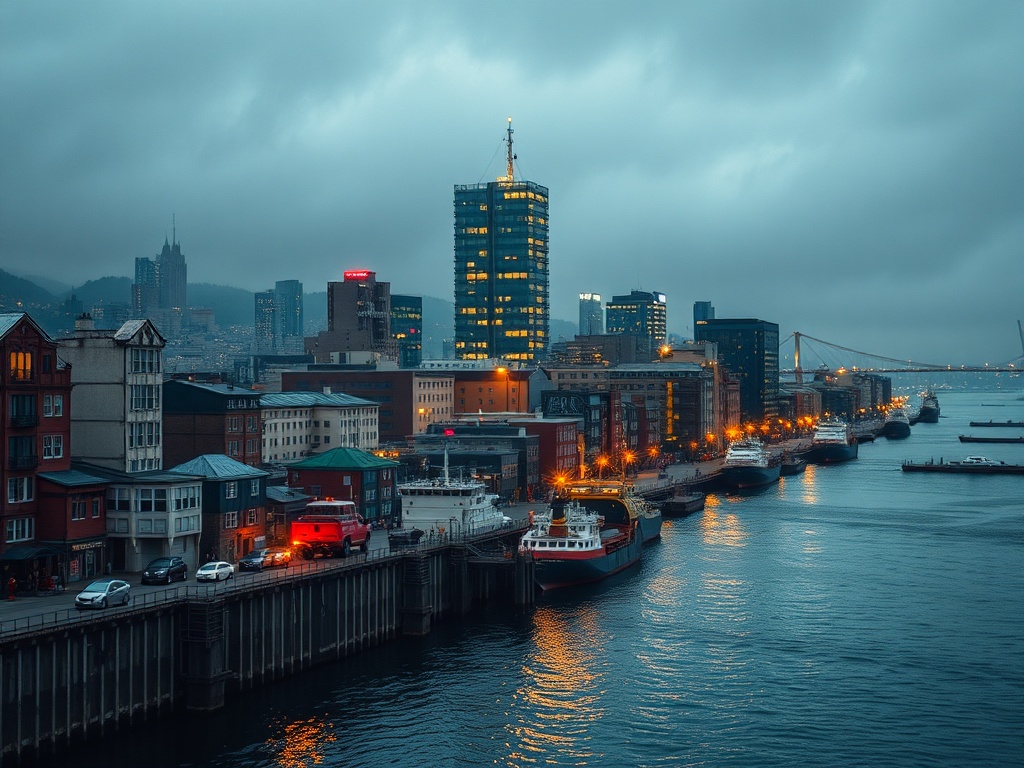
Whether you’re a regular commuter, a visitor looking to explore neighborhoods by two wheels, or a business owner thinking about deliveries, Portland offers a model of how bikes, transit, and walkability can coexist.
What makes Portland bike-friendly
– Extensive network: Protected bike lanes, neighborhood greenways, and multi-use paths connect downtown with inner neighborhoods and the waterfront, making many short trips faster by bike than by car.
– Integrated transit options: Bikes are accepted on buses and light rail, and frequent streetcars and regional trains make it easy to combine cycling with transit for longer trips.
– Bike culture and services: A lively ecosystem of repair shops, co-ops, guided tours, and cargo-bike businesses supports riders of all needs and skill levels.
– Policy focus: City planning emphasizes complete streets, traffic-calming, and simplification of crossings, helping make streets safer for cyclists and pedestrians.
Practical tips for riding in Portland
– Know the routes: Neighborhood greenways prioritize low-traffic streets with traffic calming and crossings. Use them to avoid arterial congestion and enjoy a quieter ride.
– Combine modes: Many riders take a train or bus partway and bike the rest. Having a compact lock and lightweight panniers makes multimodal trips smoother.
– Invest in visibility: Weather can change quickly, and overcast days are common. Bright clothing, lights, and reflective gear help you be seen during dawn, dusk, or rain.
– Cargo and errands: Cargo bikes and trailers are common for grocery runs, kid transport, and small businesses. They make car-free living practical for many households.
– Trail and bridge etiquette: The scenic Willamette River bridges and shared-use paths are busy. Keep right, pass left, and use a bell or polite voice to announce yourself.
Neighborhoods to explore by bike
– The Eastside offers a mix of coffee shops, breweries, and parks with relatively flat streets and protected lanes that make hopping between neighborhoods easy.
– Northwest and the Pearl District feature dense retail corridors and waterfront paths that are ideal for leisurely rides and food-cart hopping.
– Southeast includes quieter greenways and access to expansive parks, making it a favorite for family rides and longer training routes.
Benefits beyond convenience
Cycling reduces commuting costs, improves public health, and lowers local emissions.
It also supports small businesses—bikes take up less space for parking, and bike-friendly streets often see increased foot traffic. For cities confronting congestion and climate priorities, encouraging biking is an affordable, high-impact strategy.
Challenges and ongoing work
Safety on high-speed arterials, winter maintenance of bike paths, and equitable access to high-quality bike infrastructure across all neighborhoods remain priorities.
Community organizations and advocacy groups continue to press for protected lanes, better intersection design, and investments that make biking safe for riders of every age and ability.
If you’re planning to get around, try one local greenway and a riverfront path to start.
Portland’s mix of infrastructure, culture, and services makes cycling a practical and enjoyable way to experience the city while contributing to a cleaner, healthier urban environment.
Leave a Reply