Pacific Northwest resilience: balancing wildfire, salmon recovery, and greener cities
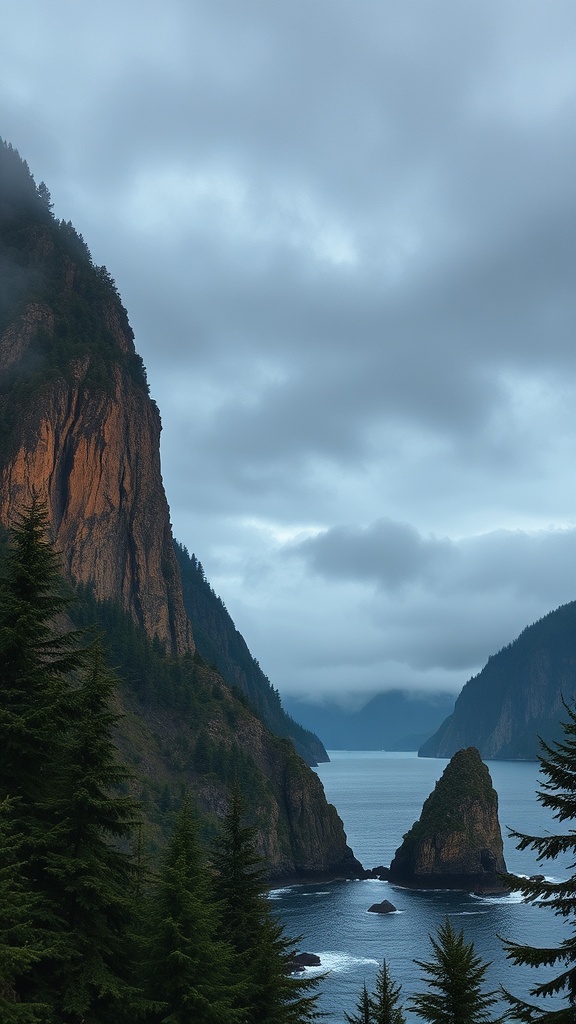
The Pacific Northwest is known for dramatic coastlines, temperate rainforests, volcanic peaks, and vibrant urban hubs. That same landscape faces interconnected challenges: warming summers that heighten wildfire risk, shifting streamflows that affect salmon runs, and growing cities that need smarter stormwater and heat management. Communities across the region are adapting with nature-based solutions, stronger planning, and community-led restoration.
Wildfire resilience beyond firebreaks
Wildfire season has reshaped how communities prepare. Creating defensible space around homes, using fire-resistant building materials, and updating evacuation plans remain foundational. Equally important are landscape-scale treatments: prescribed burns where appropriate, strategic thinning to reduce fuel continuity, and protecting old-growth forests that can act as natural fire buffers. Local ordinances that encourage fire-resistant landscaping and coordinated fuel reduction between private landowners and public agencies make entire neighborhoods safer.
Salmon recovery and healthy watersheds
Salmon are both cultural icons and ecological linchpins. Restoring salmon runs requires more than hatcheries — it means reconnecting rivers and streams, removing or retrofitting culverts, and protecting cold-water refuges in headwaters. Riparian planting with native trees and shrubs stabilizes banks, shades streams, and improves water quality. Urban programs that reduce stormwater pollution and daylight buried streams can revitalize salmon habitat while reducing flood risks. Supporting local restoration groups or choosing products that minimize pesticide and fertilizer runoff helps sustain healthy watersheds.
Greening cities to manage storms and heat
Rapid urban growth demands smarter stormwater management and heat mitigation. Green infrastructure — rain gardens, bioswales, permeable pavement, and green roofs — reduces runoff, filters pollutants, and replenishes groundwater.
Native plantings need less irrigation than ornamental turf and provide habitat for pollinators. Urban tree canopy programs also cut summer temperatures and improve air quality, but they succeed only with proper species selection and long-term maintenance plans.
Community preparedness and equity
Resilience must include equity. Underserved neighborhoods often face greater exposure to heat islands, flood risk, and limited access to recovery resources. Community-based planning that prioritizes heat shelters, accessible evacuation routes, and local emergency hubs helps ensure everyone benefits from resilience investments. Collaboration between tribal nations, municipalities, conservation organizations, and residents produces solutions that reflect diverse needs and local knowledge.
Practical steps residents can take
– Create defensible space and use fire-resistant landscaping around homes.
– Plant native species in yards and public spaces to support pollinators and stabilize soils.
– Reduce impervious surfaces where possible and install rain-capturing features like rain barrels or bioswales.
– Volunteer with or donate to local salmon restoration and watershed protection groups.
– Review community emergency plans and build a household emergency kit with water, food, and communication tools.
Natural solutions integrated with planning and community action offer the best path forward. By investing in landscape health, upgrading infrastructure, and centering equity, the Pacific Northwest can protect its ecosystems and communities while preserving the qualities that make the region unique: lush forests, thriving rivers, and resilient cities that coexist with a dynamic natural environment.
Leave a Reply