Nature-based solutions are reshaping how communities across the Pacific Northwest manage stormwater, protect salmon habitat, and keep neighborhoods livable as the climate shifts.
With abundant rainfall, steep urbanizing hillsides, and a cultural commitment to outdoor stewardship, this region is well positioned to lead on green infrastructure that benefits people and ecosystems at once.
Why green infrastructure matters here
Traditional grey infrastructure—pipes, concrete channels, and culverts—was built for moving water quickly. In the PNW, that approach often harms fish runs, increases flooding downstream, and reduces groundwater recharge. Green infrastructure restores natural hydrology by slowing, filtering, and storing water where it falls. Benefits include:
– Better water quality for salmon and other aquatic life
– Reduced peak flows that cause bank erosion and flood damage
– Cooler stream and urban temperatures through shading
– Enhanced urban biodiversity and livability
Practical solutions working across the region
Many effective strategies are scalable from backyard projects to citywide systems:
– Rain gardens and bioswales capture rooftop and street runoff, using native plants to filter pollutants before water reaches streams.
– Green roofs retain rainfall, reduce building energy use, and create habitat in dense urban areas.
– Permeable pavements let water infiltrate rather than run off, cutting strain on storm systems.
– Restored floodplains and riparian buffers reconnect streams to their natural floodplain, improving habitat complexity for salmon.
– Urban tree canopy expansion shades streams and streets, lowers temperatures, and increases infiltration.
Native plants matter
Native vegetation is central to success.
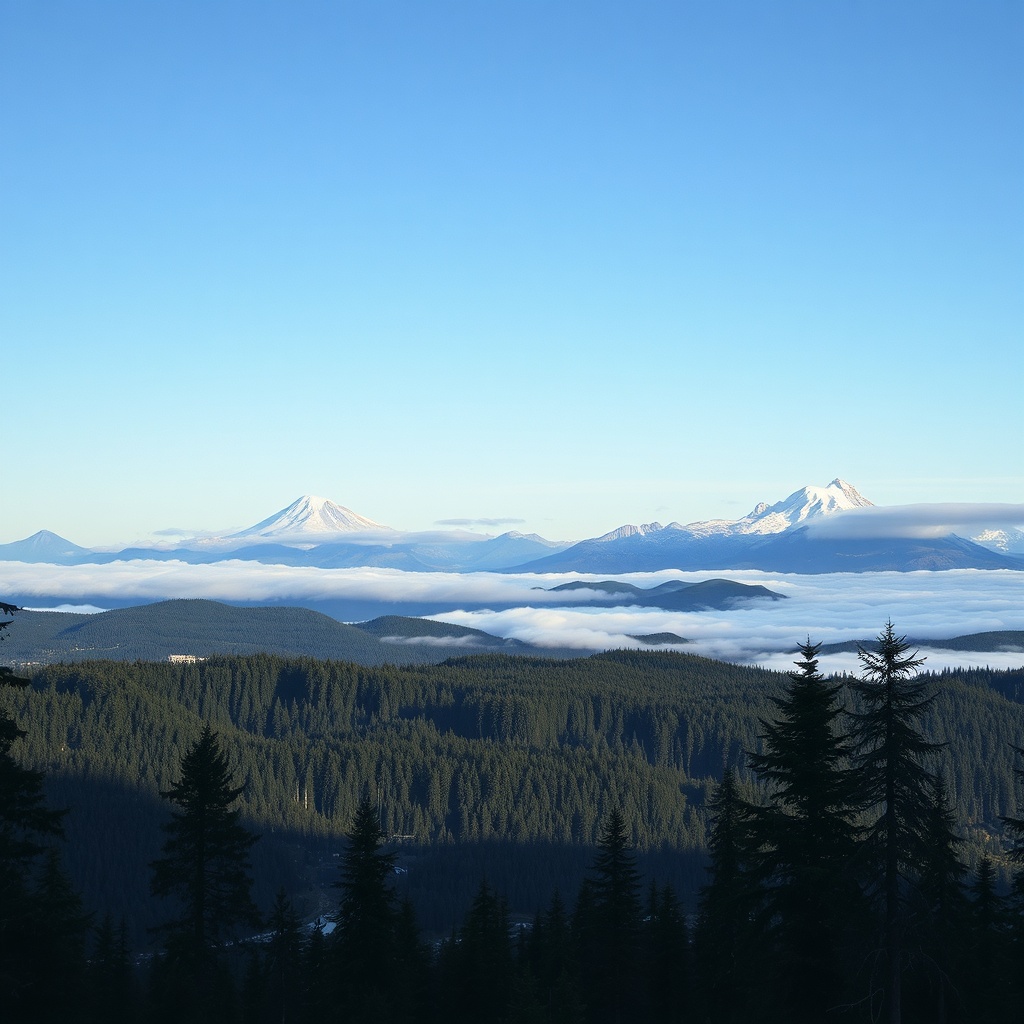
Deep-rooted species increase soil structure and infiltration, while local plants support native insects and birds. Look for regionally appropriate selections—shrubs, sedges, and wildflowers that tolerate seasonal wetness and drought. Local native plant nurseries and watershed councils often provide lists and guidance for site-specific choices.
Community steps you can take
Individual and neighborhood actions add up quickly. Consider these low-barrier ways to help:
– Replace small patches of lawn with rain gardens or native groundcovers
– Install a rain barrel to capture roof runoff for garden use
– Volunteer with local habitat restoration projects or stream cleanups
– Advocate for permeable sidewalks, bioswales, and urban tree planting in civic planning meetings
– Support organizations focused on salmon recovery and watershed health
Funding and policy trends to watch
Municipal stormwater fees and incentive programs increasingly fund green projects, offering rebates or design assistance for homeowners and developers. Stormwater utility models encourage long-term maintenance and create predictable revenue for green infrastructure deployment at scale.
Design and maintenance tips
Green systems need simple maintenance to perform well: remove debris from inlets, replace mulch periodically, and monitor plant survival during the first few seasons.
Engage neighbors in stewardship to ensure projects remain attractive and effective.
A resilient future built with nature
The Pacific Northwest’s wet, temperate landscapes make it both vulnerable to and suited for nature-based stormwater strategies. By combining native plants, thoughtful design, and community engagement, neighborhoods can reduce flood risk, support salmon runs, and create greener, cooler places to live. Whether starting with a rain garden at home or supporting citywide green corridors, small investments in the right places yield benefits for people and wildlife across the region.
Leave a Reply