Oregon packs dramatic landscapes, world-class food and wine, and a culture that balances outdoor adventure with creative urban life. Whether you’re chasing rugged coastline, alpine peaks, or craft coffee and food-cart discoveries, this state rewards travelers who move slower and look closer.
Why Oregon stands out
Diverse ecosystems sit close together here: misty beaches give way to old-growth forests, volcanic peaks rise from high desert, and fertile valleys produce celebrated wines and farm-to-table ingredients. That variety makes Oregon a top choice for travelers who want both scenic drives and immersive local experiences.
Top destinations and experiences
– Oregon Coast: Miles of rocky headlands, sandy bays, and lighthouses offer tidepooling, beachcombing, surf lessons, and dramatic sunsets. Respect posted signs about tides and tricky “sneaker waves,” and stick to established trails to protect dune habitats.
– Columbia River Gorge: Waterfalls, cliffside viewpoints, and windsurfing hubs define this corridor.
Popular trails can get busy; start early and pack snacks, water, and a rain layer—conditions change rapidly.
– Willamette Valley: Known for its Pinot Noir and small, visitor-friendly tasting rooms, the valley also shines for farm-to-table dining and scenic backroads. Plan tastings with designated drivers or a guided tour.
– Cascade Range and Mount Hood: Hiking, mountain biking, fishing, and winter sports are all within reach. Check local avalanche forecasts and trail conditions before venturing into snowbound terrain.
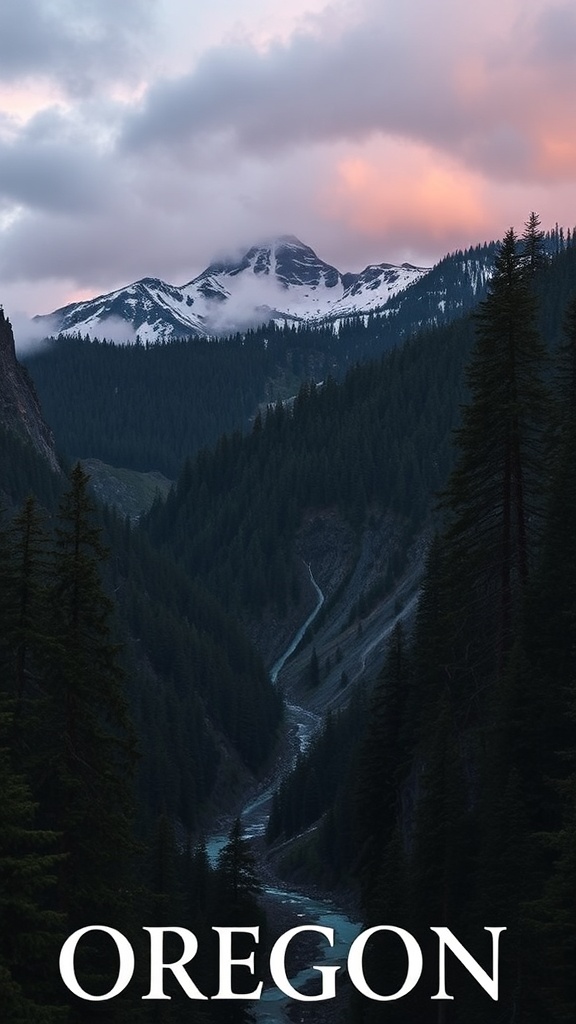
– High Desert and Eastern Oregon: Wide-open landscapes, dark skies for stargazing, and unique geological features reward those willing to drive a bit farther off the beaten path.
– Crater Lake area: Deep, clear waters in a volcanic caldera offer scenic overlooks and quiet hiking options. Boat access and some trails may be seasonal—verify access before you go.
Practical travel tips
– Weather: Layering is essential. Coastal fog, mountain storms, and high-desert sun can all appear on the same trip.
– Safety: Rivers and coastal surf can be deceptively strong—observe local warnings and never turn your back on the ocean. In wildfire-prone seasons, monitor local advisories and have a flexible itinerary.
– Reservations and permits: Popular sites and some campgrounds require reservations or have day-use limits.
Always check official land-management websites for the latest rules and trail closures.
– Transport: Many must-see spots are reached by scenic drives.
Plan fuel and time between towns, and consider public-transit or bike-friendly urban areas for city exploration.
Responsible travel
Oregon’s natural assets are fragile. Practice Leave No Trace principles, support local businesses, and choose lodging and tours that prioritize conservation. When visiting vineyards, restaurants, or artisans, ask about sustainable practices—many businesses highlight water-wise farming, waste reduction, and local sourcing.
Food, drink, and local culture
From a bustling urban food-cart scene to coastal seafood and vineyard tasting rooms, Oregon’s culinary map emphasizes seasonal produce and craft beverages. Coffee culture is strong, and craft breweries and cideries are widely accessible.
Look for farm stands and weekly markets to taste the regional bounty.
Final thought
Oregon invites exploration at its own pace: plan ahead, stay adaptable, and take opportunities to step off the guidebook trail.
Whether you’re hiking a foggy coastal bluff, sipping a cool-climate wine, or catching a sunrise on a volcanic peak, the state rewards curiosity and respect for the natural world.
Leave a Reply