Pacific Northwest: How to Explore and Protect Its Wild Places
The Pacific Northwest draws people for a reason: towering evergreens, mist-cloaked mountains, fertile coastline and thriving urban hubs tucked into wild landscapes. Whether you’re planning a weekend hike, a coastal beach walk, or a kitchen experiment with local seafood, there are simple ways to enjoy this region while supporting its long-term health.
Make the most of outdoor recreation
– Choose trails suited to your skill level. The Cascades, Coast Range and coastal bluffs offer everything from easy family loops to steep alpine routes. Check current trail conditions and closures before you go.
– Pack smart: layered clothing, rain protection, map and headlamp are essentials. Weather can shift quickly in these maritime climates.
– Practice Leave No Trace: pack out trash, avoid widening trails, and keep dogs under control. Group size limits help protect fragile habitats.
Respect cultural and protected places
Many landscapes are on ancestral lands of Indigenous Nations. Look for signage about access and stewardship, obtain permits when required, and support tribal cultural centers, museums and guided experiences. Protected areas—national forests, state parks, marine reserves—often have rules designed to preserve natural values; following them helps maintain access for everyone.
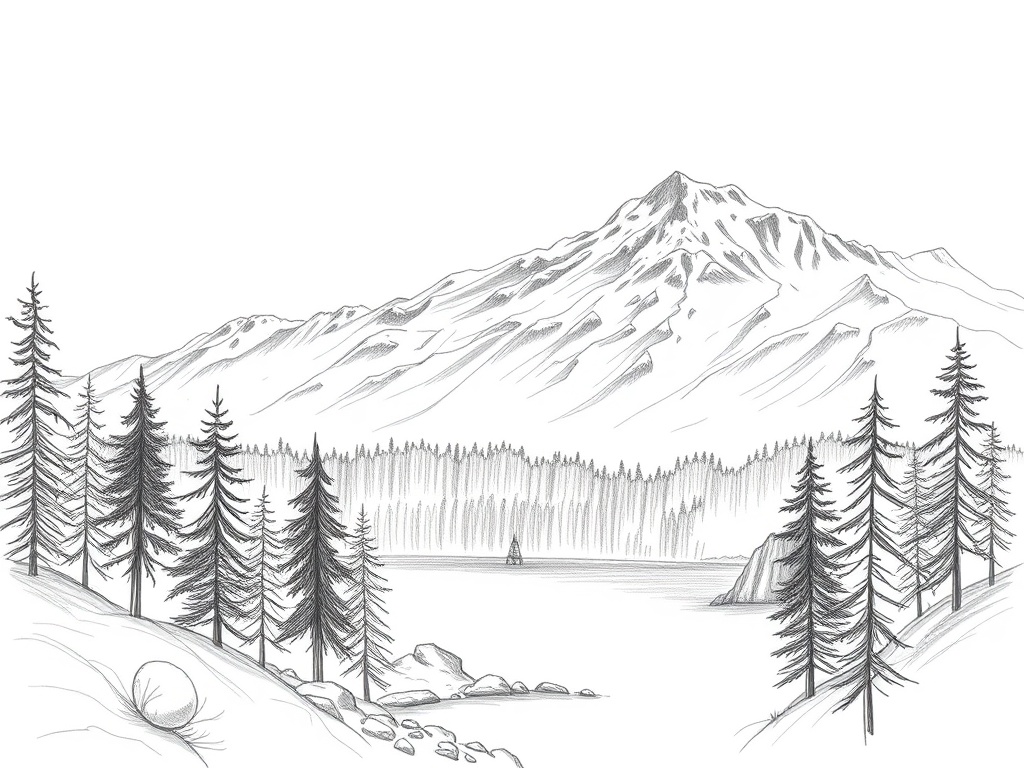
Support salmon, orcas and marine ecosystems
Salmon are a keystone species here, nourishing rivers, forests and iconic orcas. Actions that help local waterways also support broader marine life:
– Reduce fertilizer use and make surfaces permeable to limit stormwater runoff.
– Plant native riparian vegetation to stabilize banks and shade streams.
– Choose sustainably harvested seafood and local shellfish from trusted sources.
Prepare for wildfire and changing seasons
Seasonal wildfire risk and shifting precipitation patterns affect access and safety.
Learn current fire restrictions, plan escape routes, and create defensible space if you own property in wildland-urban interface zones. Many communities now offer resources for home wildfire hardening and vegetation management—check local conservation districts or county extension services for guidance.
Eat local, seasonal foods
The Pacific Northwest is renowned for its seafood, berries, apples and farm-fresh produce. Farmers markets, community-supported agriculture (CSA) and small processors provide fresh options and support local economies. When buying seafood, look for clear sourcing and sustainable labels, and try less-common species to ease pressure on popular stocks.
Volunteer and give back
Hands-on stewardship projects are a direct way to protect regional ecosystems. Stream restoration, beach cleanups, tree planting and invasive species removal often welcome volunteers of all skill levels. Watershed councils, land trusts and local trail organizations coordinate many efforts and provide training.
Travel lightly, stay curious
Savor the dramatic coastlines, moss-draped forests and volcanic peaks, but carry a mindset of care. Learn a bit about local ecology or history before you visit—knowing why a marsh is important or how a river was shaped deepens appreciation and commitment to protect it.
Small choices—respecting closures, supporting local businesses, and volunteering—add up to a healthier Pacific Northwest for everyone who follows.
Practical takeaway: plan ahead, tread lightly, support local conservation, and prioritize safety.
The region rewards curiosity and stewardship with experiences that remain vibrant when people act as thoughtful neighbors and visitors.
Leave a Reply